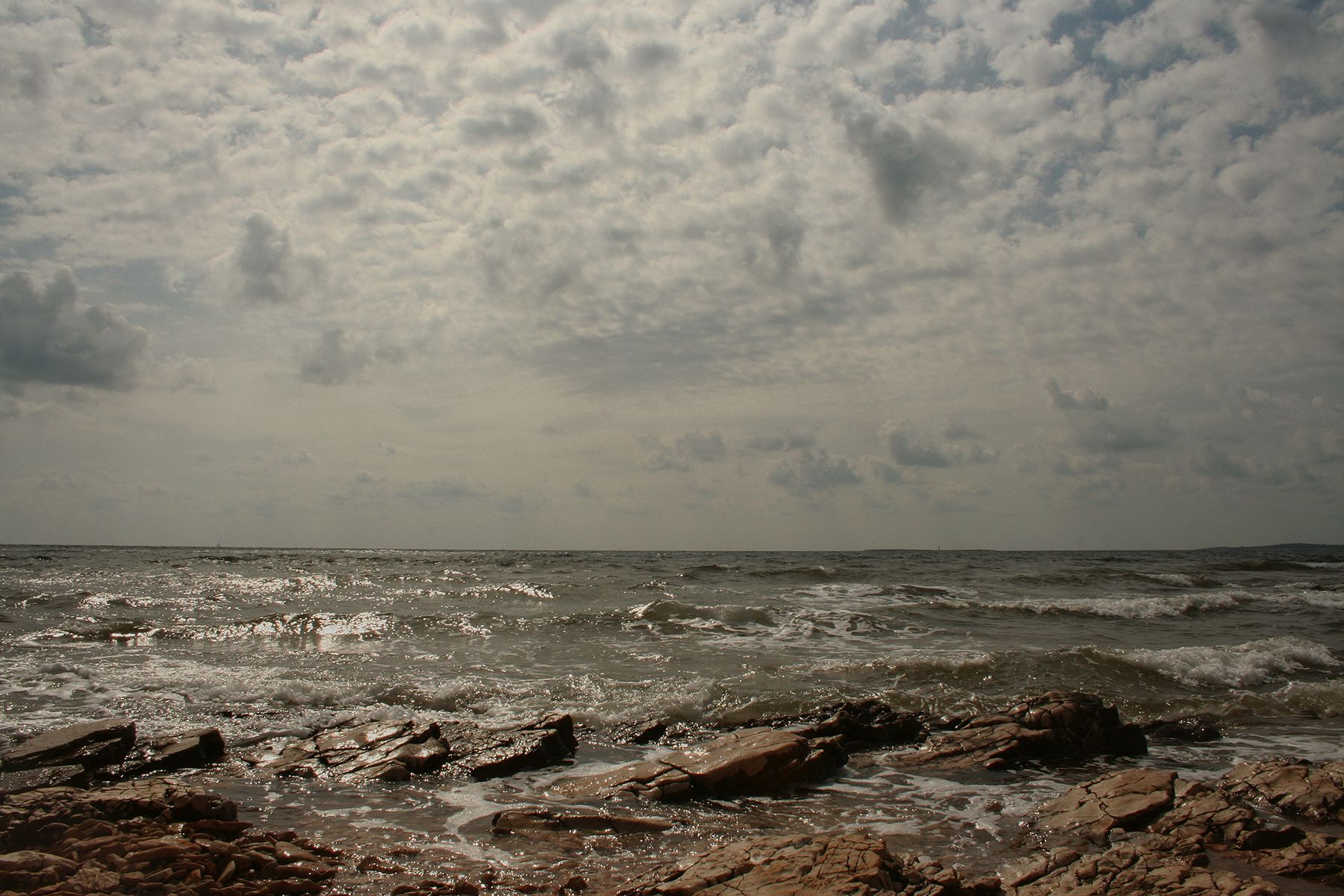
It happened long ago. The year was 2006. I bought my first digital SLR camera, the Canon EOS 350D, and I spent many days wandering around the coastal area called Marlera, trying to convey the atmosphere of that place I always liked very much, through photography.
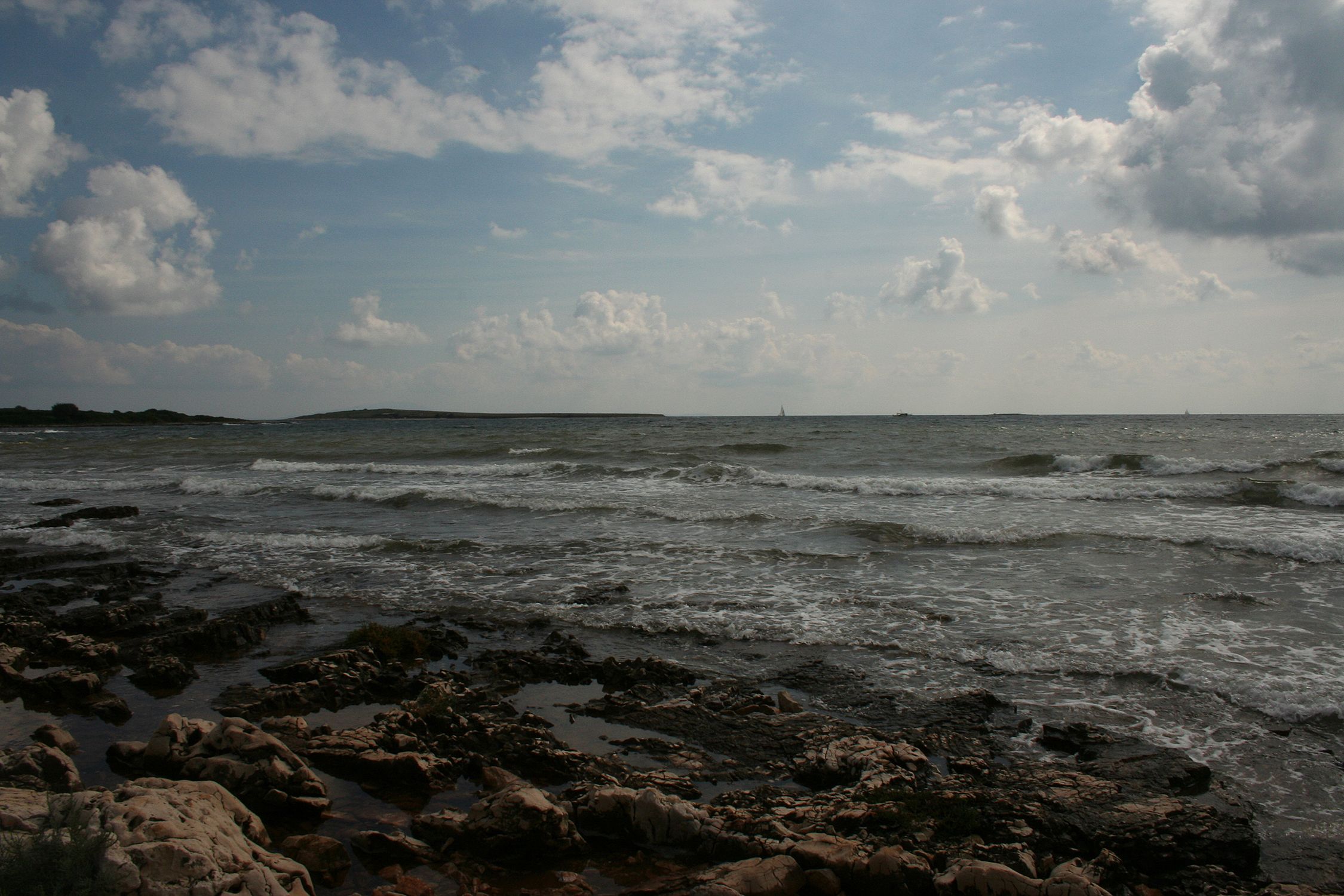
Today, early in the morning, I came across an old, forgotten folder containing the old forgotten photographs from those good old days.
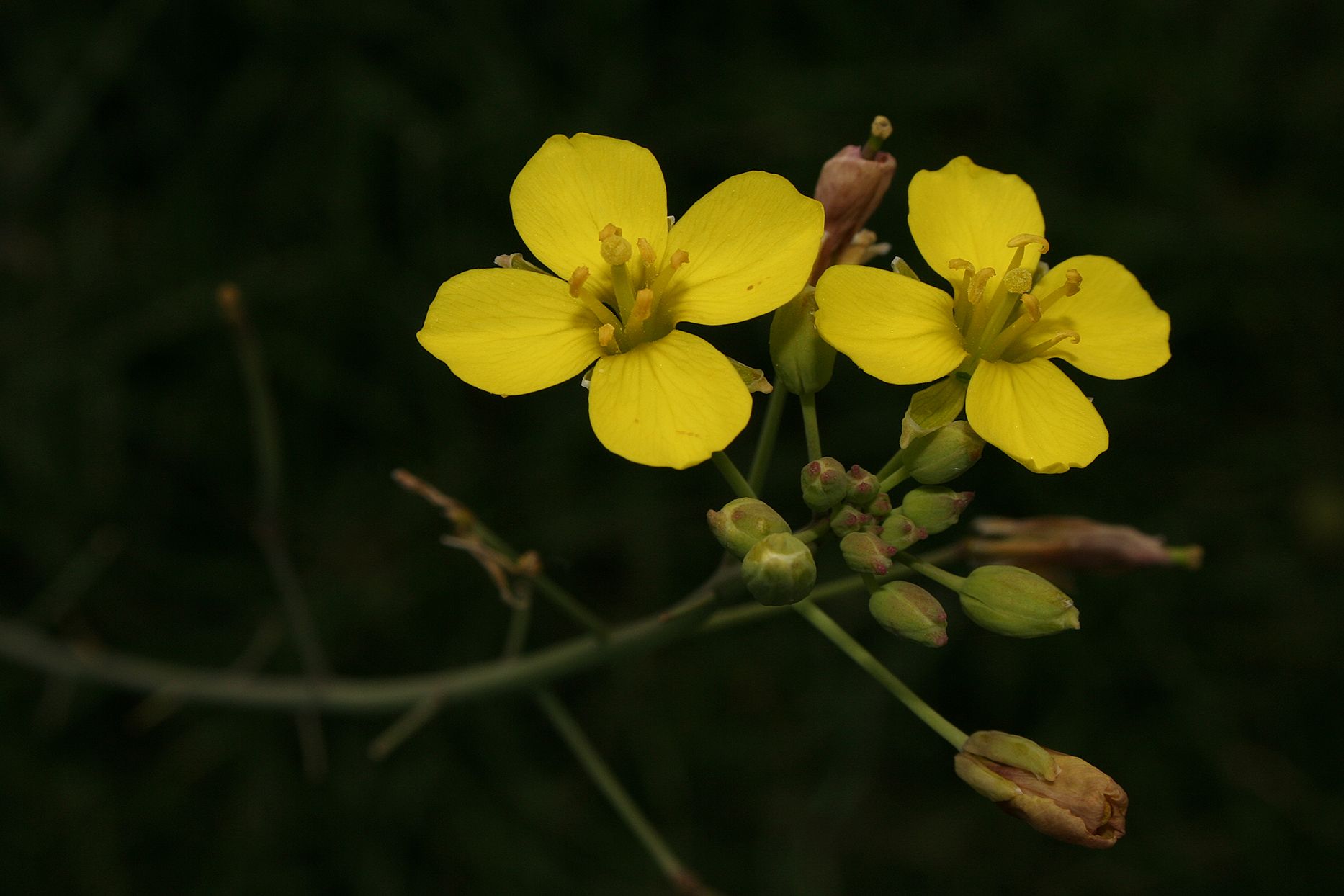
Here you can see the yellow flowers of the Brassica fruticulosa plant. In the following photograph ...
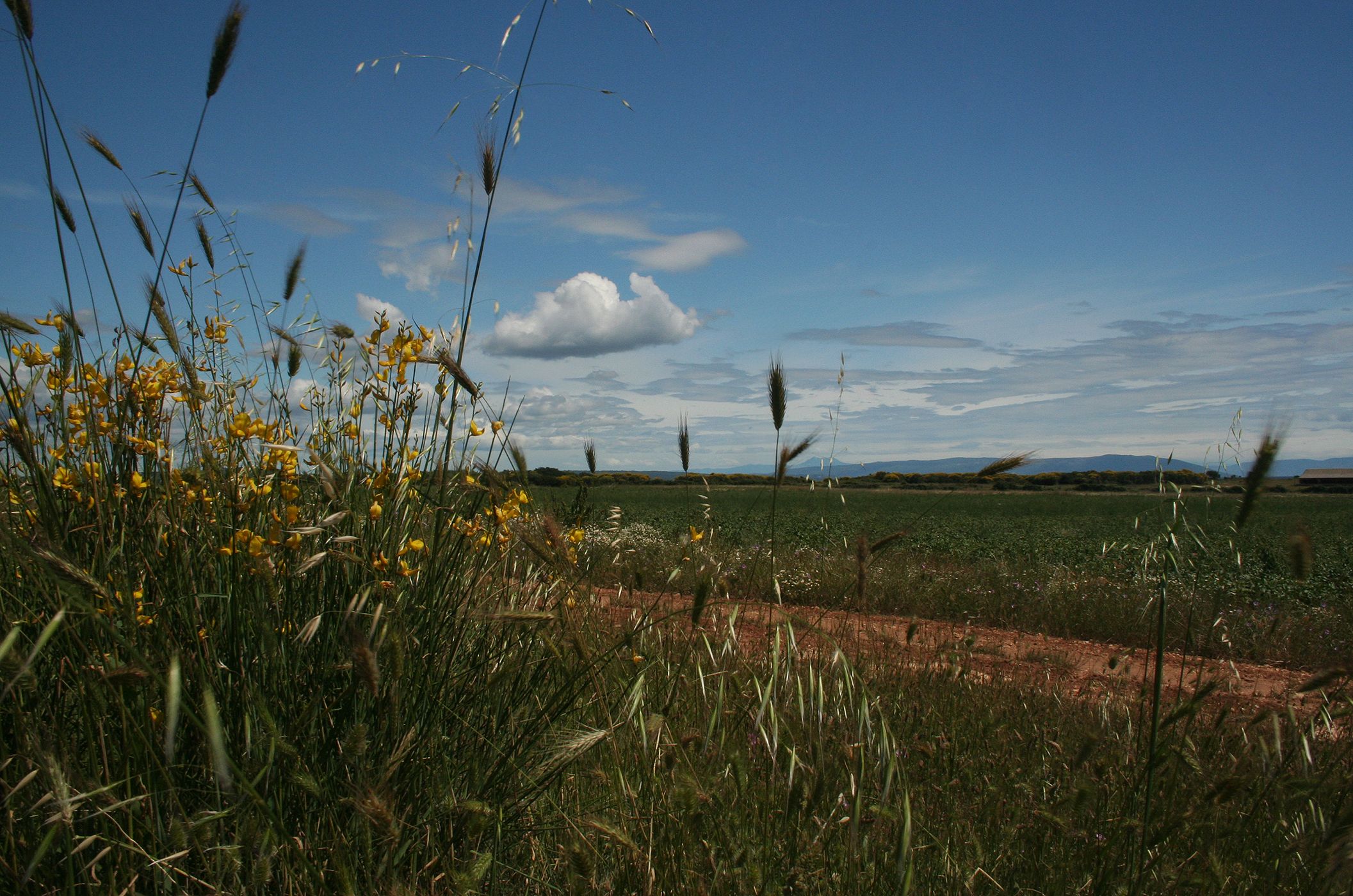
... you can take a look at the sunny fields of Marlera and one of the unpaved roads that lead through the area.
These are the lovely red berries of Smilax aspera. Smilax aspera is a beautiful but sometimes annoying, thorny climbing plant that creates dense, unpenetrable vegetal barriers in some places.
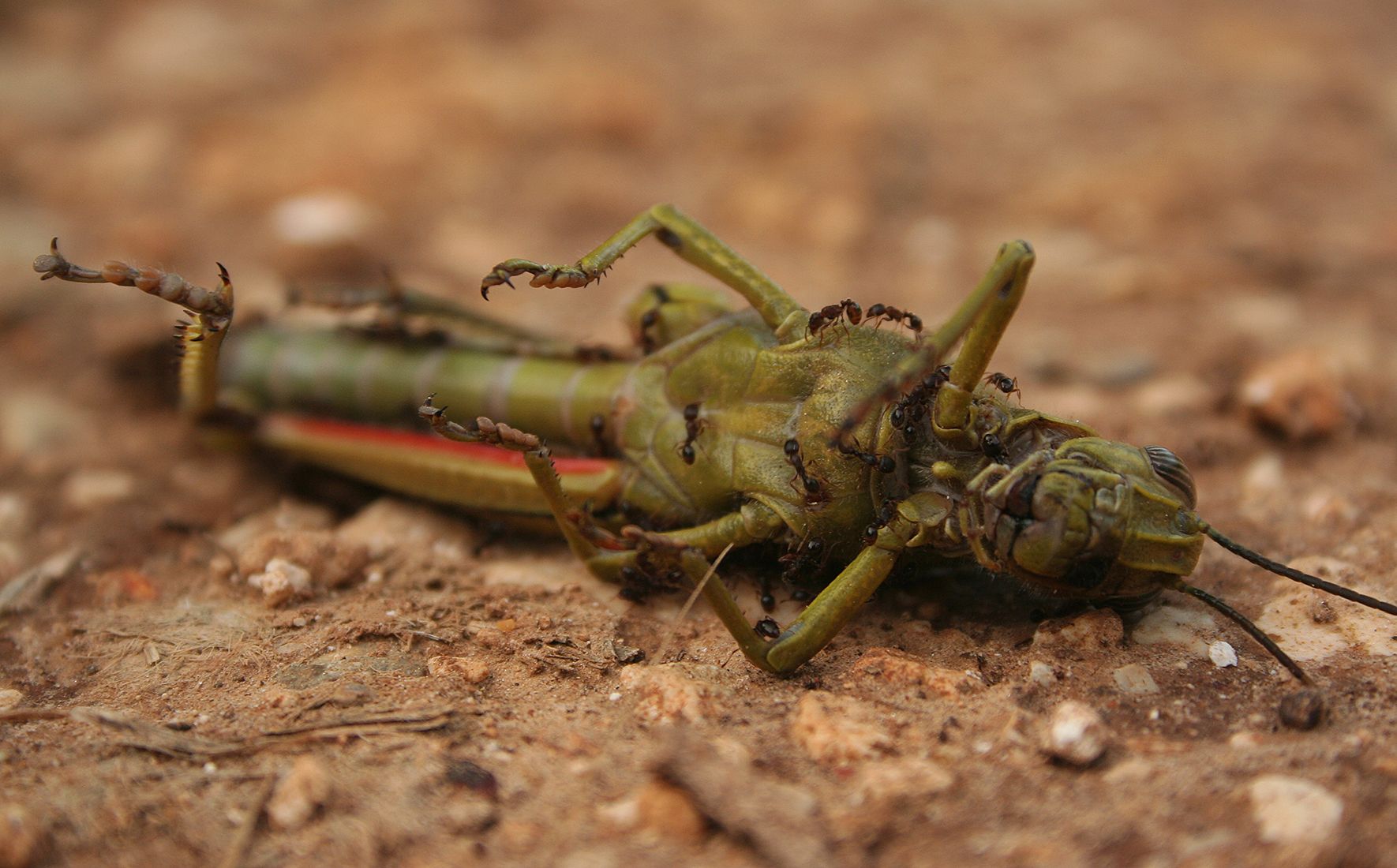
This scene was found and photographed in the middle of the unpaved road. You can see a bunch of ants dismantling the carcass of the pretty big Anacridium aegyptium grasshopper. The following photograph ...
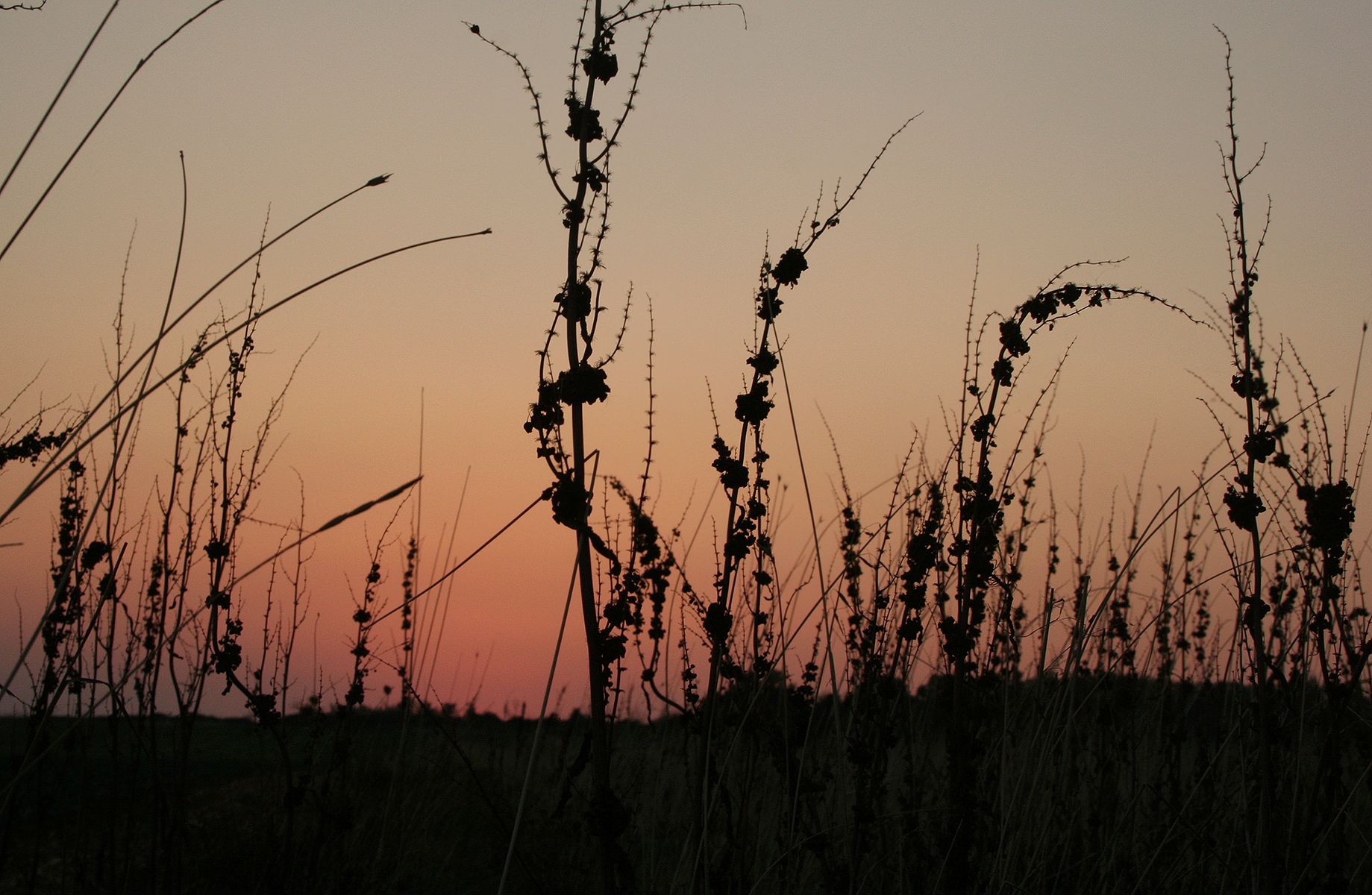
... was taken somewhere along the road. In the evening. You can see the silhouettes of herbaceous plants that cover the large meadows and the edges of the cultivated fields.
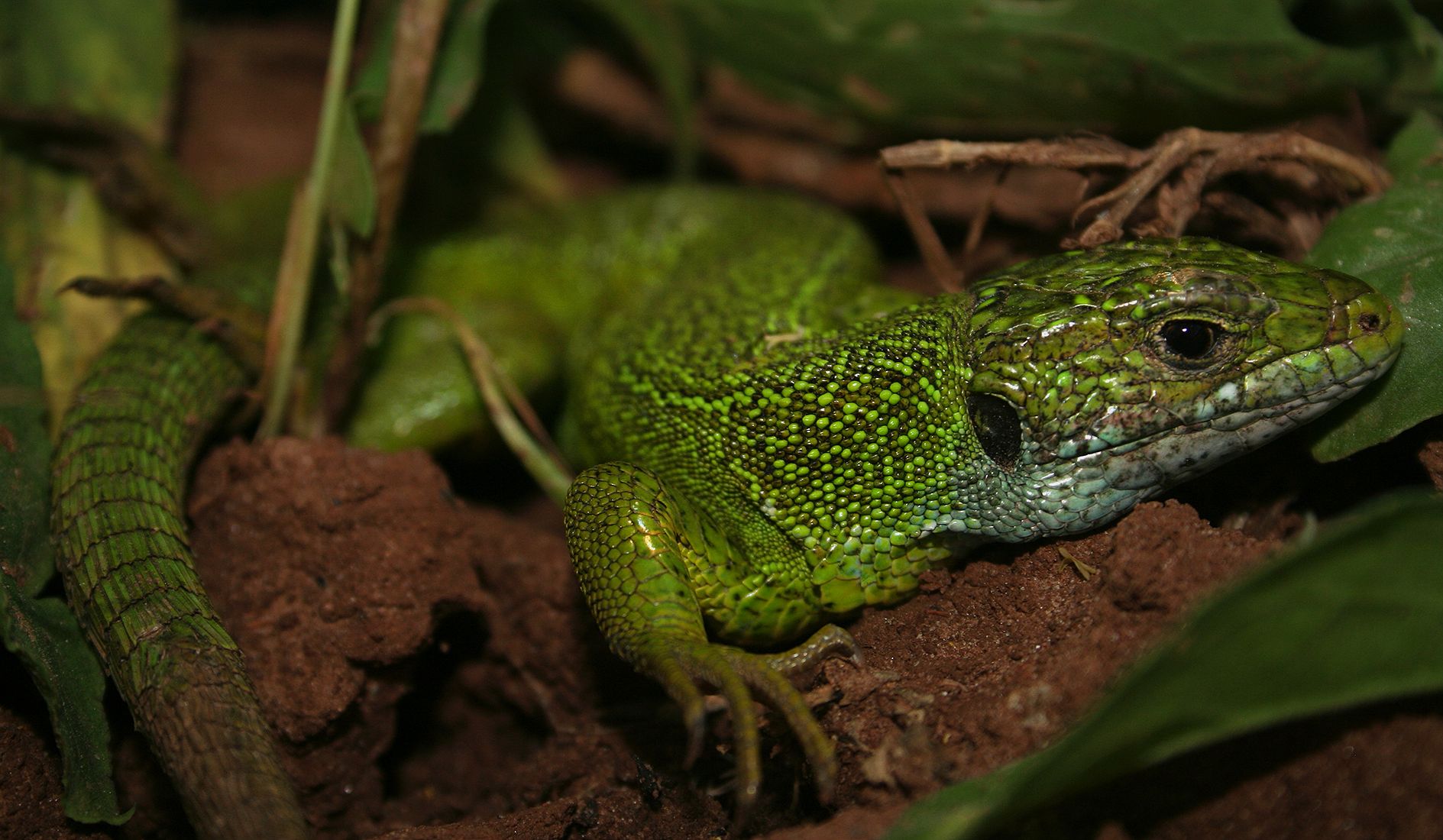
On one of the cabbage fields very close to the sea, I found and photographed an interesting lizard.
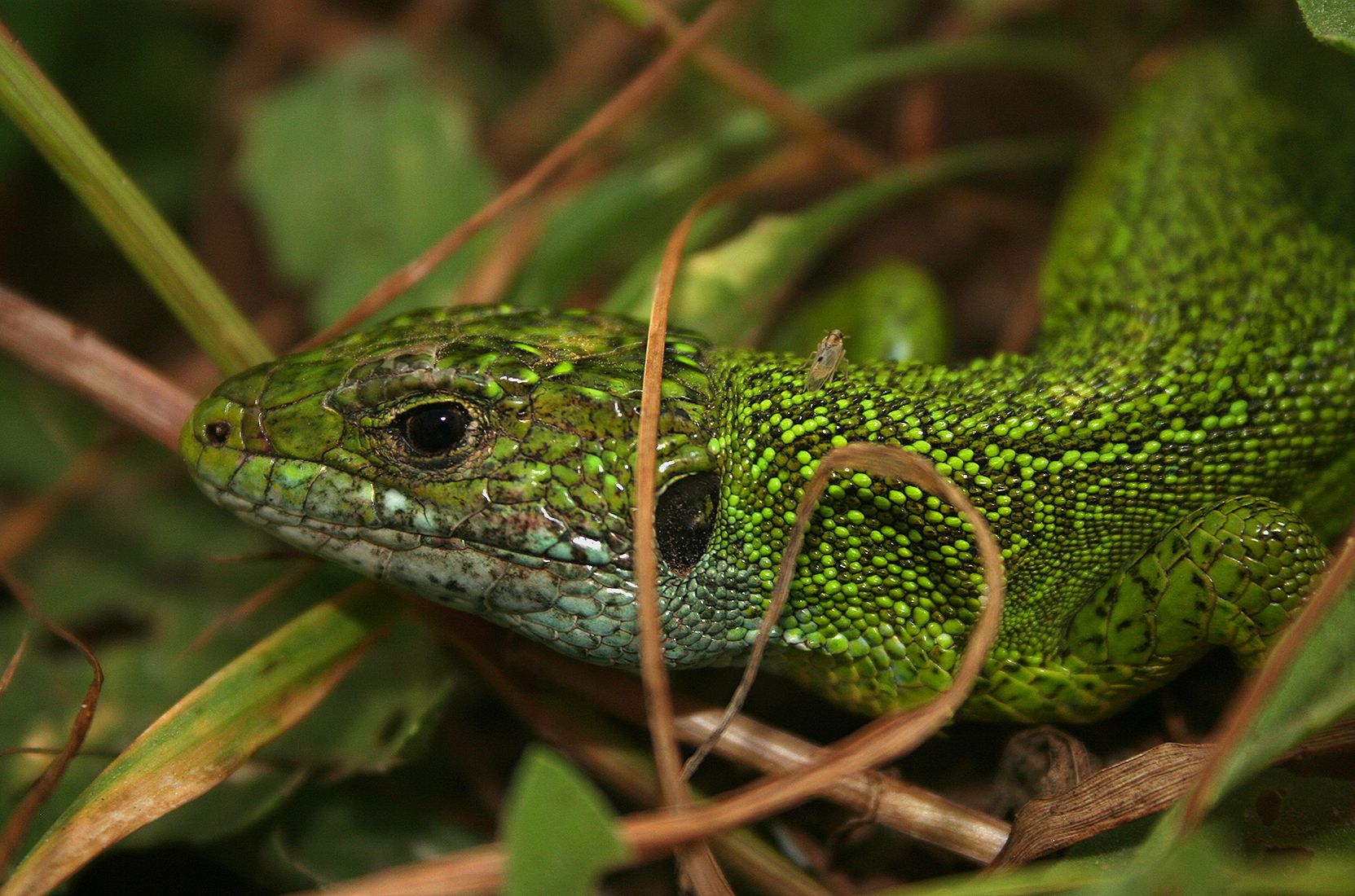
This is Lacerta viridis, commonly known as the European green lizard. Only today, while preparing the post, I noticed the small insect resting on the lizard's skin. Maybe you can find it if you enlarge the picture by clicking on it. It's on the lizard's neck, not far from the head.
Here I cropped that detail of the bigger picture for those who have no time or patience to search for small creatures lost in an overabundance of details. The insect in question is a planthopper from the Delphacidae family. Can't tell you what species exactly is this. I didn't have a macro lens back then so you can't see this insect in a real macro view that can reveal all the interesting details of its external anatomy. I wasn't even aware that the planthopper was there.
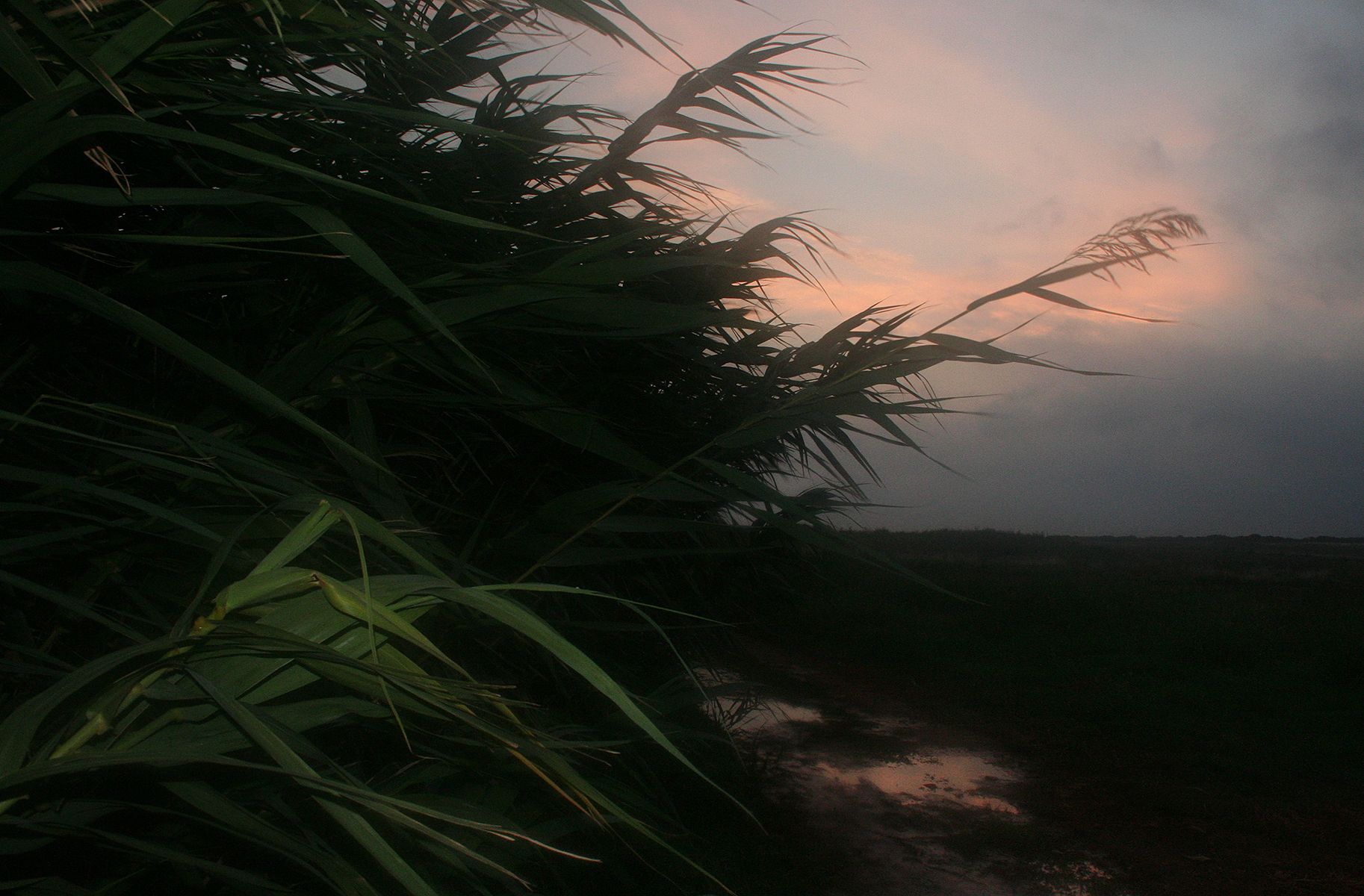
This photograph was taken one stormy evening at the end of October. You can see the reeds near the shore swaying in the wind.
Here you can see a beautiful, iridescent Cetonia aurata beetle among the flower buds of the Rubus ulmifolius shrub that grows by the side of many unpaved roads in this area.
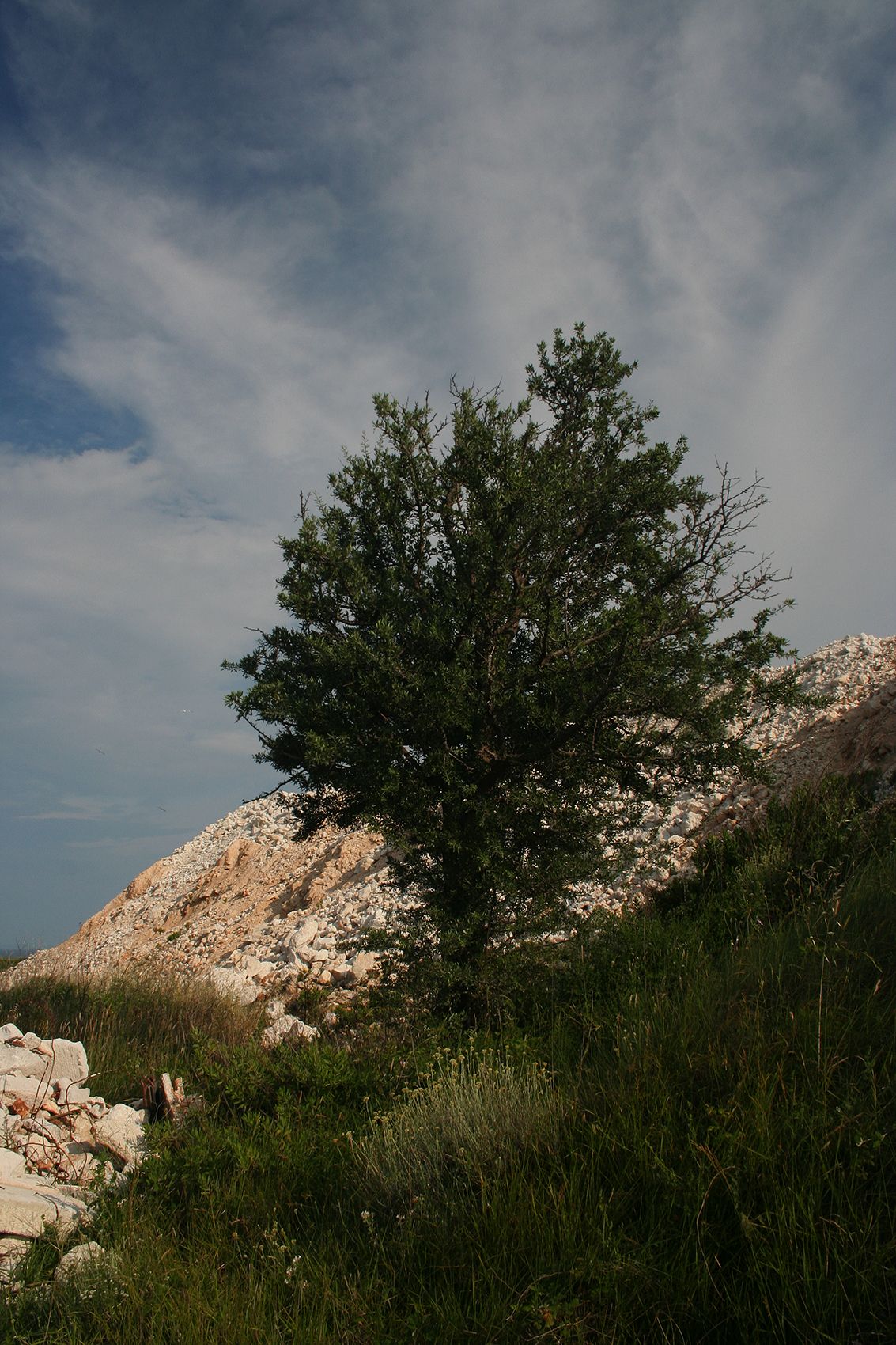
The tree shown in the center of this shot was photographed near an abandoned stone quarry. Always in Marlera, of course.
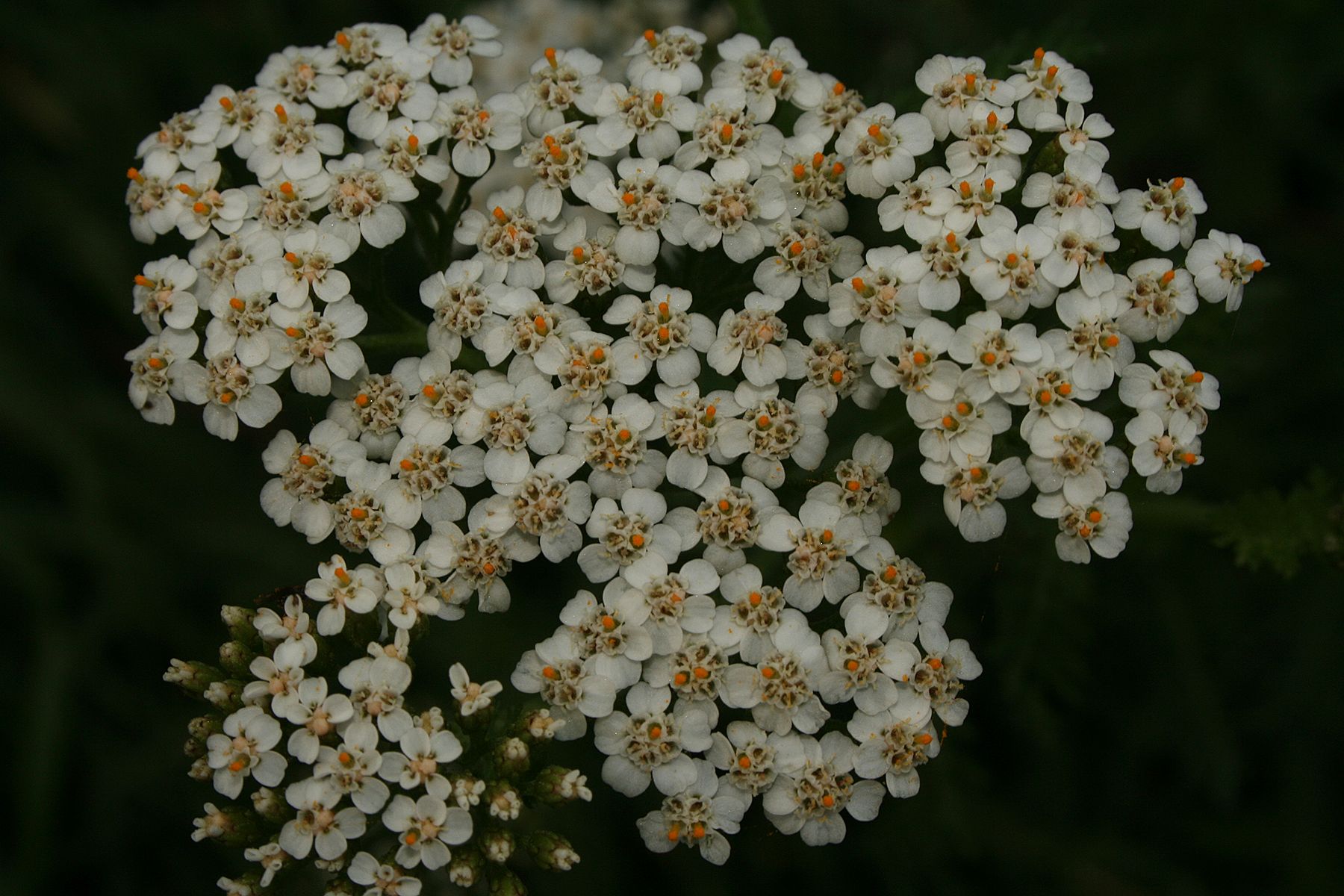
Here you can see the tiny flowers of the Achillea millefolium plant. In the following photograph ...
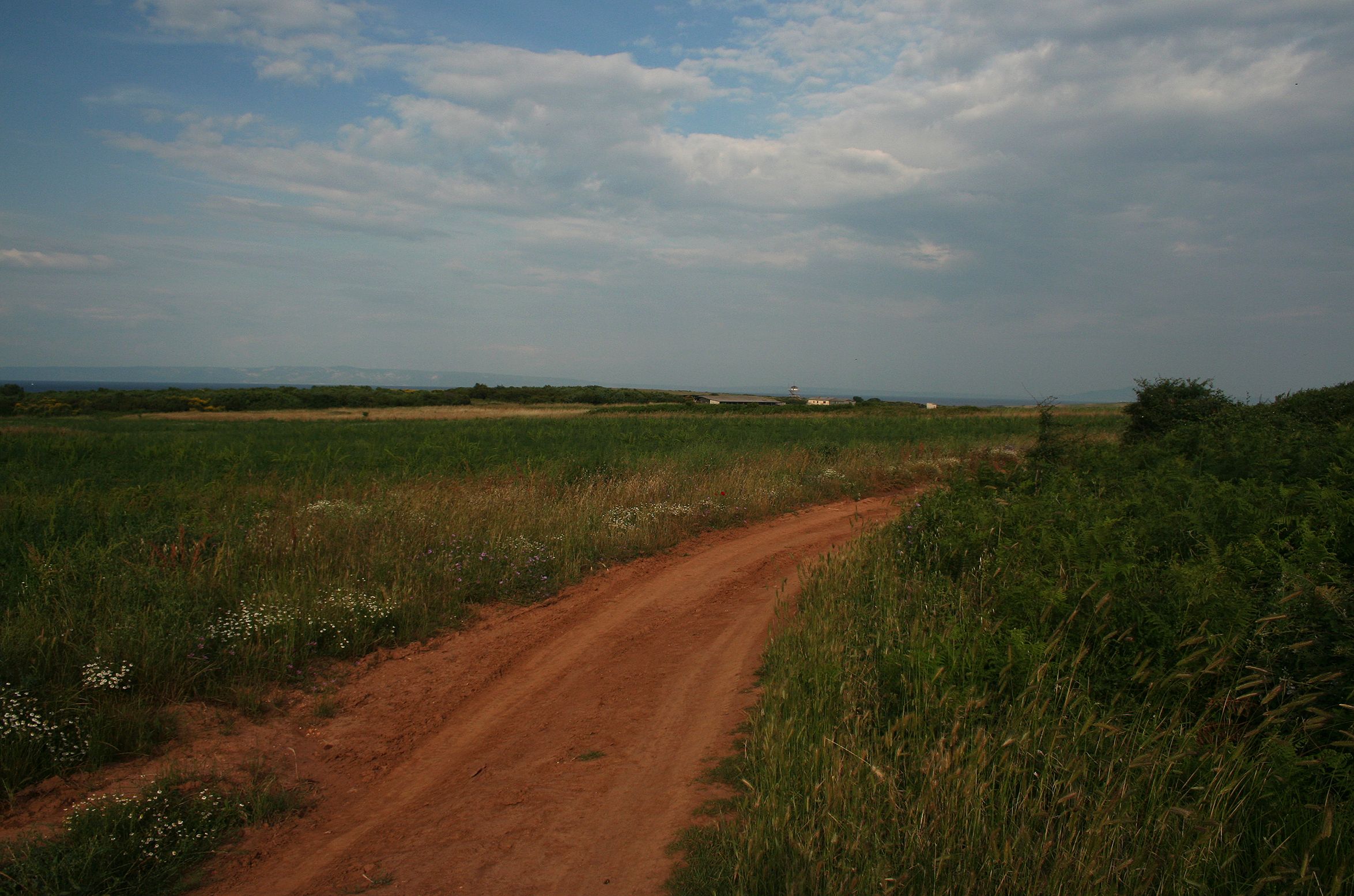
... you can take another look at the unpaved road introduced earlier in the post.
This Cirsium vulgare thistle was probably photographed somewhere by the side of that same road.
In this photograph, you can take a look at the empty seed pod of the Silene latifolia plant. The thing looks like a small but well-designed piece of pottery. The thing, shown in the following photograph ...
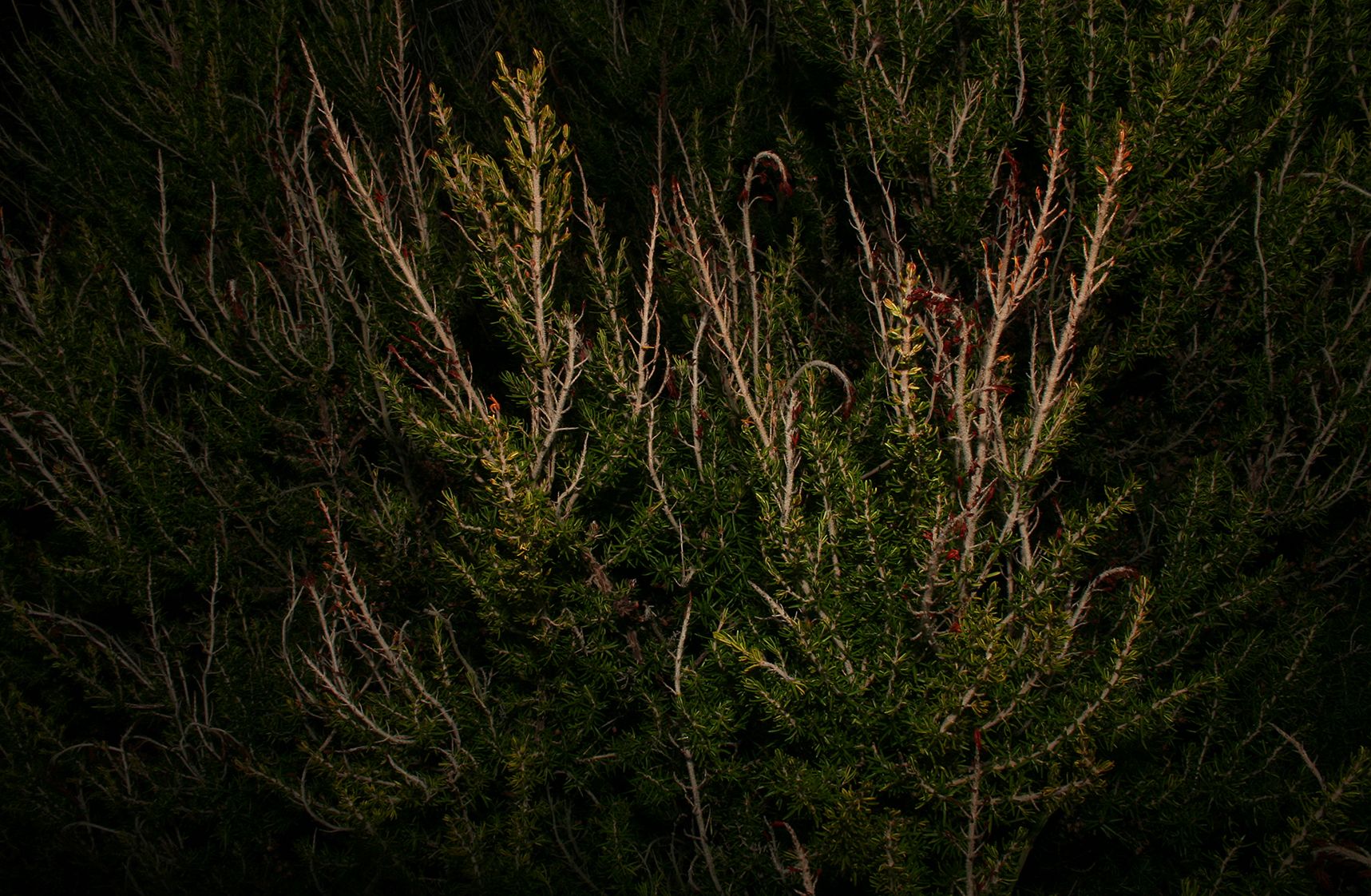
... is the Erica arborea shrub.
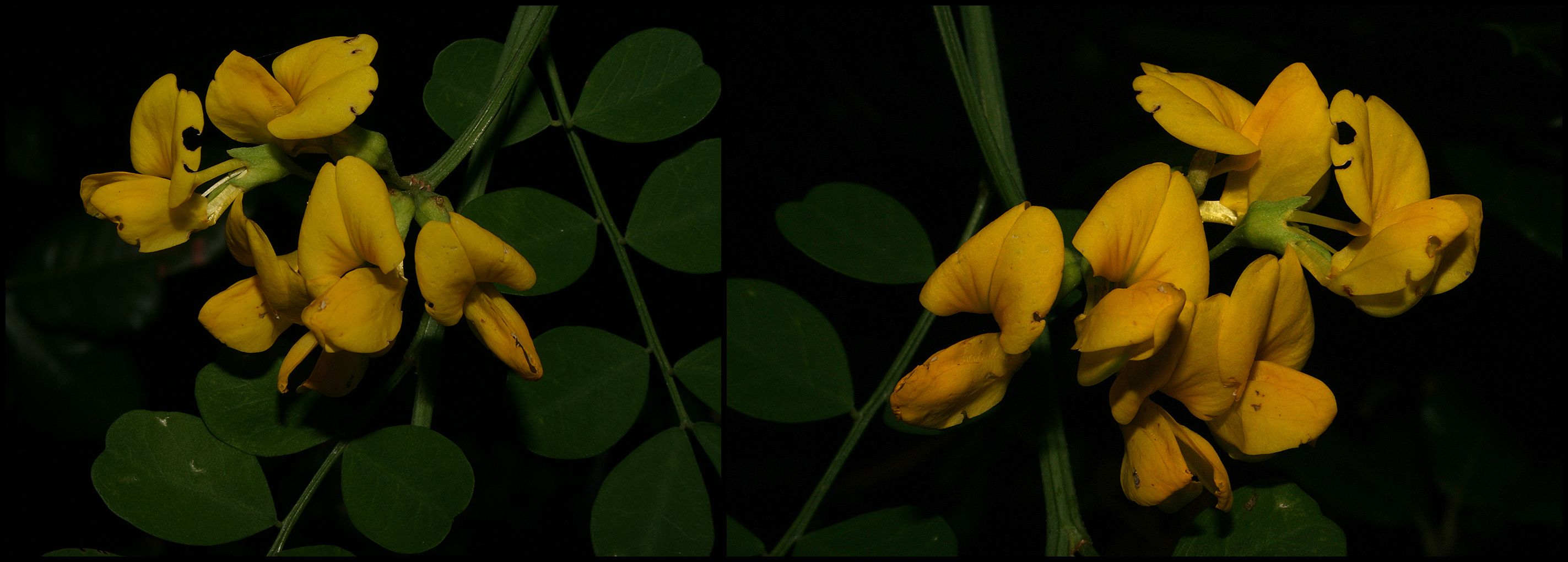
Here you can see the lovely yellow flowers of the Hippocrepis emerus plant.
Here you can see the leaves of ivy on the trunk of a small pine tree.