
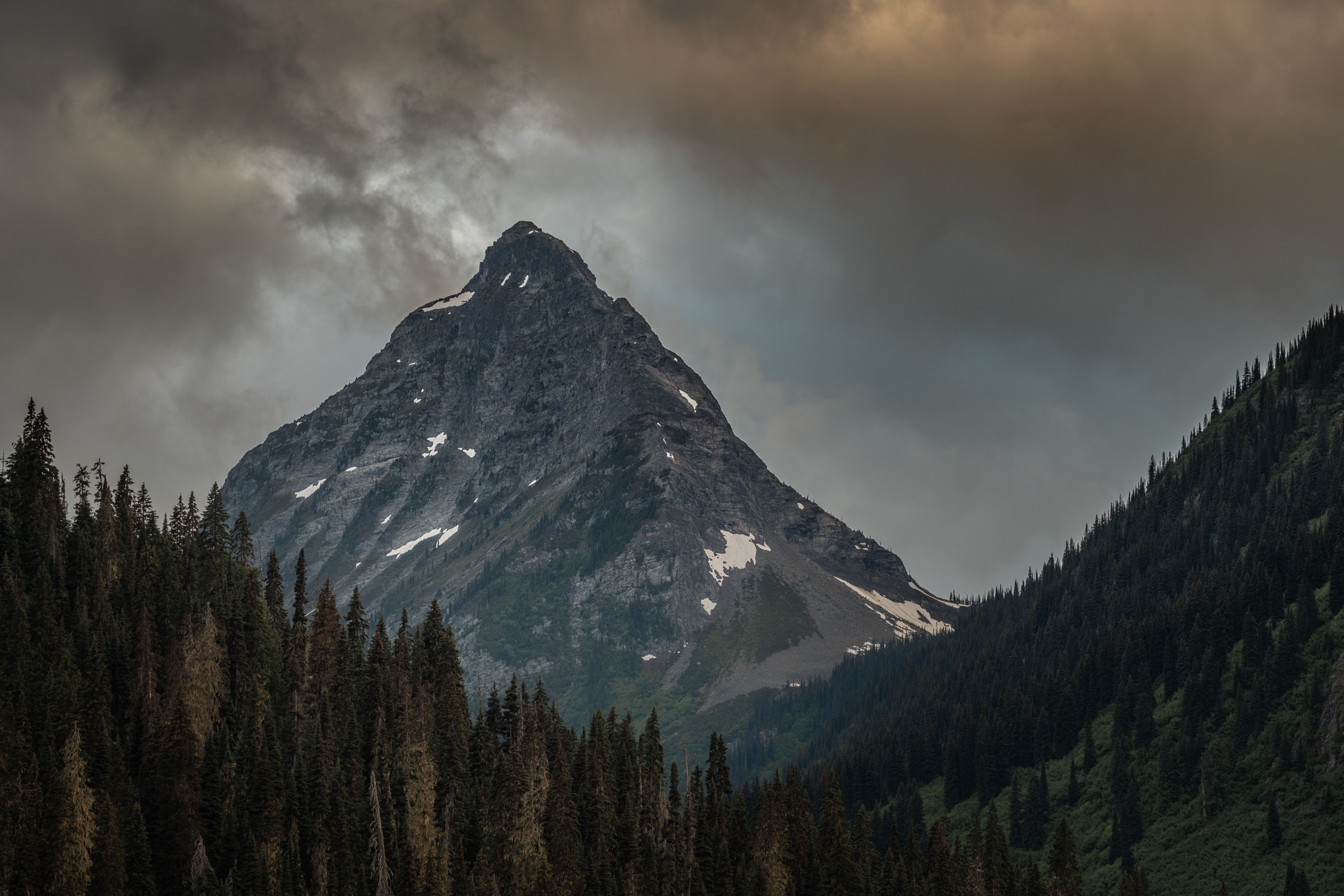
A stormy sunset up in a remote stretch of the North Thomson River. Summer seems such a long time ago now as we are in the grip of winter. We have not had any super cold (sub -30oC/-22oF) yet this season, although it did dip briefly down to -22oC (-7.6oF ) this past week. I took this shot while solo camping up along the North Thomson River last summer when the rest of the family was down in the US visiting some relativities. Sometimes you just need to get away from everything; or at least I do. To me isolation, both physical and mental, provokes a much deeper level of thought. Clearing out the noise creates room for creativity.
Studies show that introverts make up somewhere between one-third to half of the population. If you poll the average person on the street however they would think it much lower than that as introverts often appear on the surface to be extroverted after a lifetime of training from a social structure and school system that rewards extroverted behaviours. Such is the pervasiveness of these ideas that I even find myself getting frustrated at my own kids for displaying the same introverted behaviours. I can only rationalise this response as something akin to a lifelong case of Stockholm syndrome.
A Harvard Business Review study in 2017 that looked at 17,000 executives, found that more than half of the top CEOs who did better than expected in the minds of investors and directors were actually introverts (see here). This is not the outspoken image of a CEO we all think of when we think of business. INTJs alone account for 13% of management positions; yet only represent abiout 2% of the population. In contrast, political systems dominated by candidates who can speak the loudest tend to favour school and social systems that encourage extrovertism, this is despite the evidence that this does not necessarily make the best leaders and decision makers. Quiet reflective thought seems to be a lost art from a bygone era. It does not have to be this way; check out some of the work by Susan Cain about the Quiet Revolution.
Taken from the upper stretches of the North Thomson River, the peak in the photo actually lies in the North Eastern Section of Wells Gray Provincial Park. It sits at 2480m (8140ft) high and seems to be unnamed despite its obvious prominence lying between the Ojibwa NE4 and Metis Peak massifs. British Columbia, Canada
If you would like to learn a little bit more about my background in photography you can read the interview 
Robert Downie
Love Life, Love Photography
All images in this post were taken by and remain the Copyright of Robert Downie - http://www.robertdowniephotography.com