
Passionflower, ... Special flower with a story.
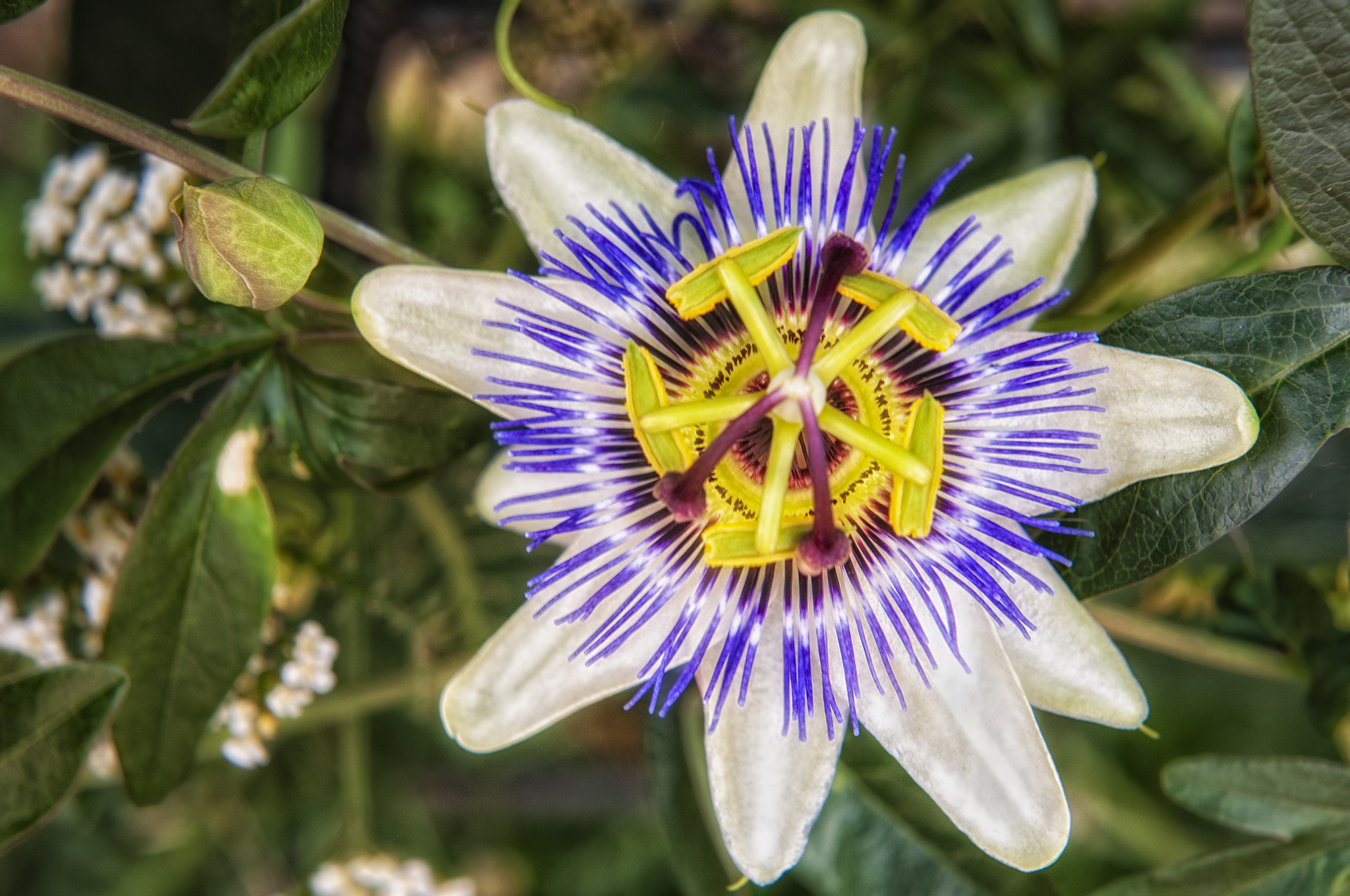
The very first thing that naturally strikes you about the Passion Flower is the beauty of the flower. And the fact that it is a special flower to see that is made up of different layers. But did you know that all of these layers have their own meaning that can be found in the Bible? Yes, the Passionflower is the flower that tells the story of the suffering of Jesus Christ every spring.
Be sure to click on the image to view full screen!
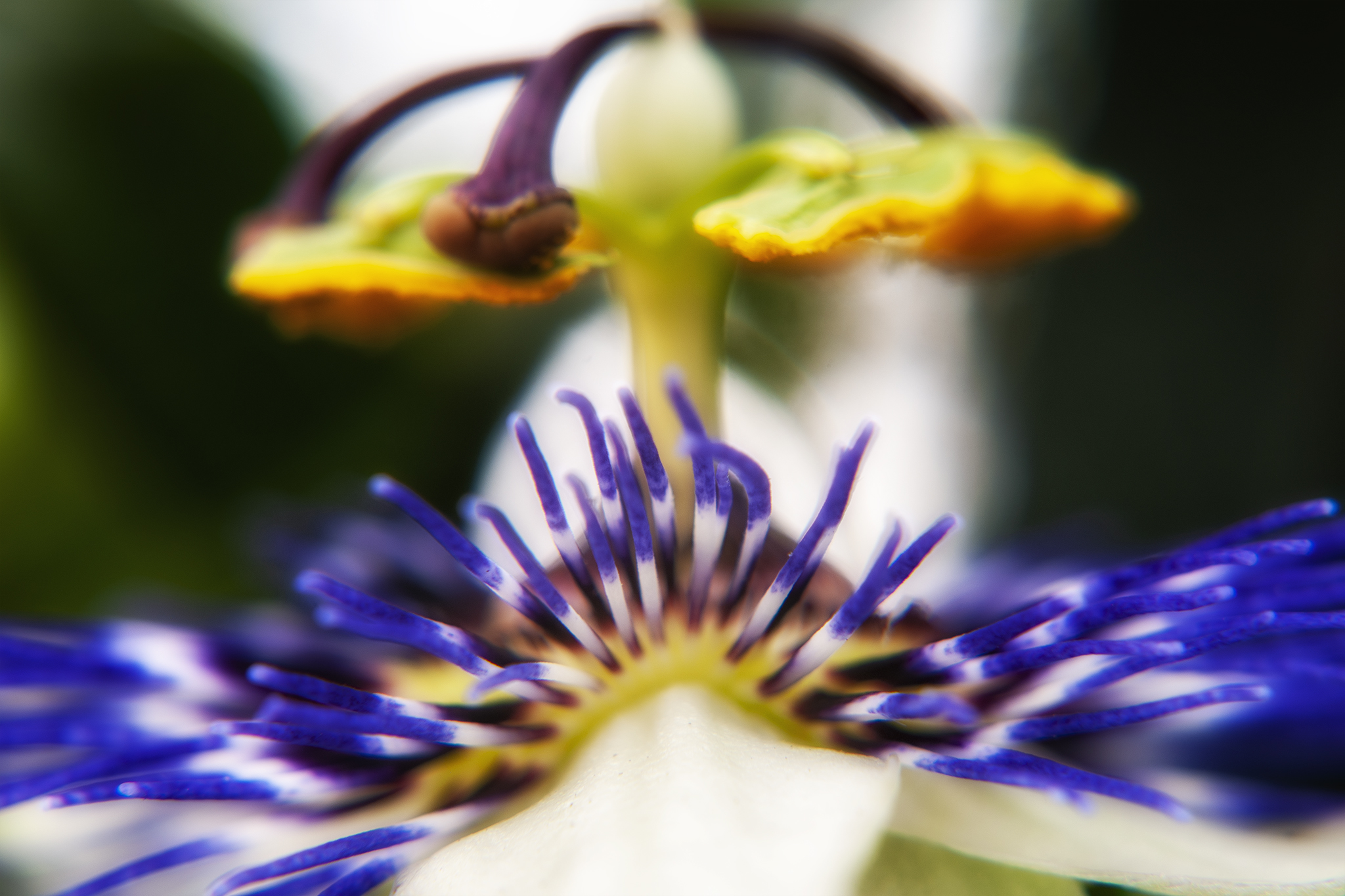
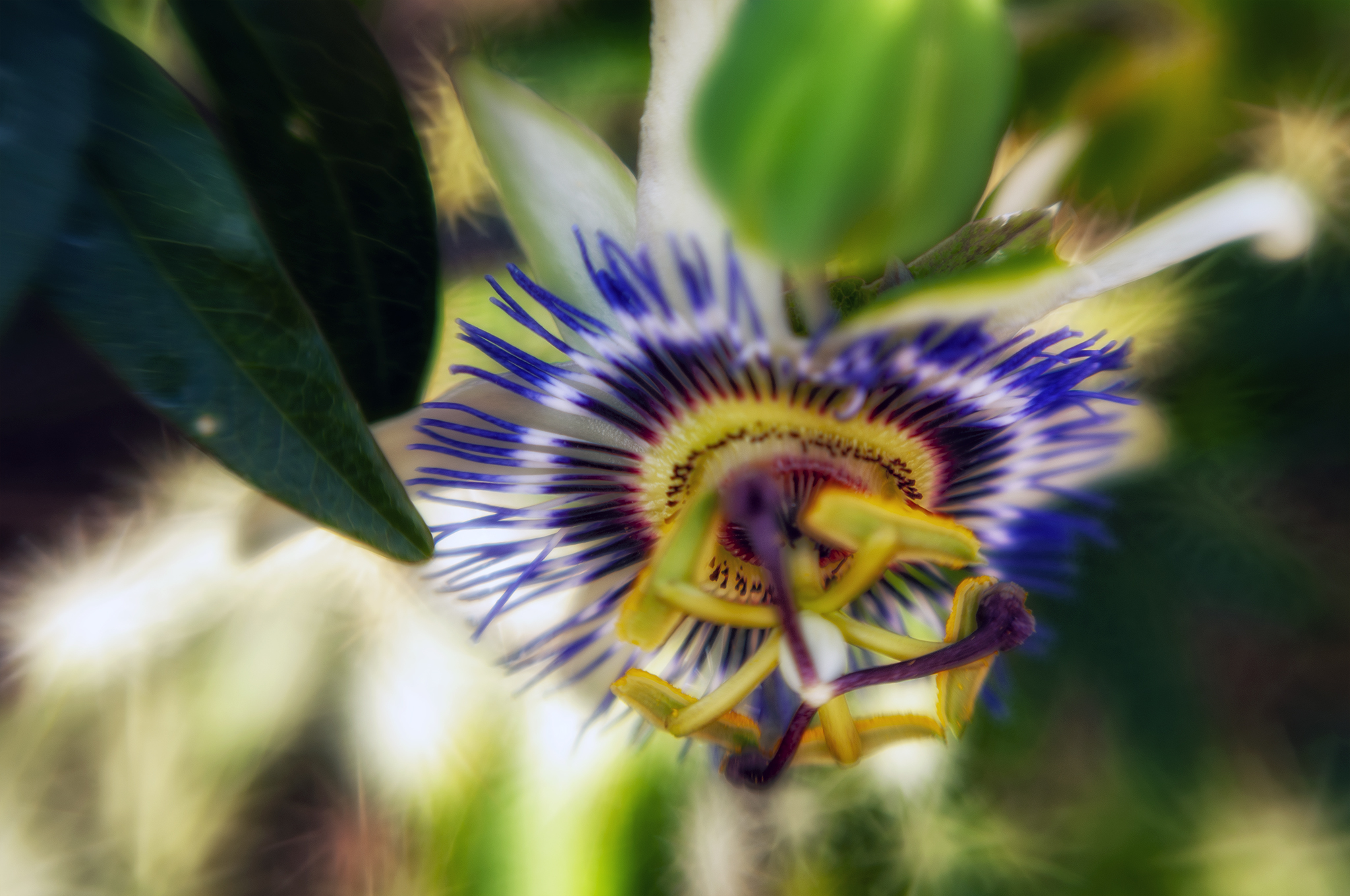
The Passionflower consists of 5 crown and 5 sepals. These leaves represent 10 apostles. Yes 10, everyone knows there were 12 apostles, but because Judas betrayed Jesus, and Peter denied Jesus, they do not count. The 3 large stamps of the Passion flower stand the crucifixion nails. One in each hand, and 1 in the feet tied together. The 5 stamens represent the wounds inflicted on him during the crucifixion, the brown orange crown stands for the bloody crown of thorns. The fruit principle stands for the sponge soaked in vinegar with which Jesus got to drink and the vines of the plant symbolize the scourges with which he was beaten.
Be sure to click on the image to view full screen!
But that is not all that makes the Passionflower such a special flower. The Passionflower has much more to it. The Passionflower is originally used as a medicine by the Maya, Aztecs of South and Central America and the Indians of North America. The following Indians work particularly well as a blood tonic against nerve pains and restlessness. The Mayans, on the other hand, used the Passionflower against fungal infections of the skin, swellings and cramps. The Aztecs had other applications. They saw the Passionflower as a vomiting agent, intoxicant, tranquilizer and blood purifier.
The entire plant including root can be used for medicinal use.
Be sure to click on the image to view full screen!
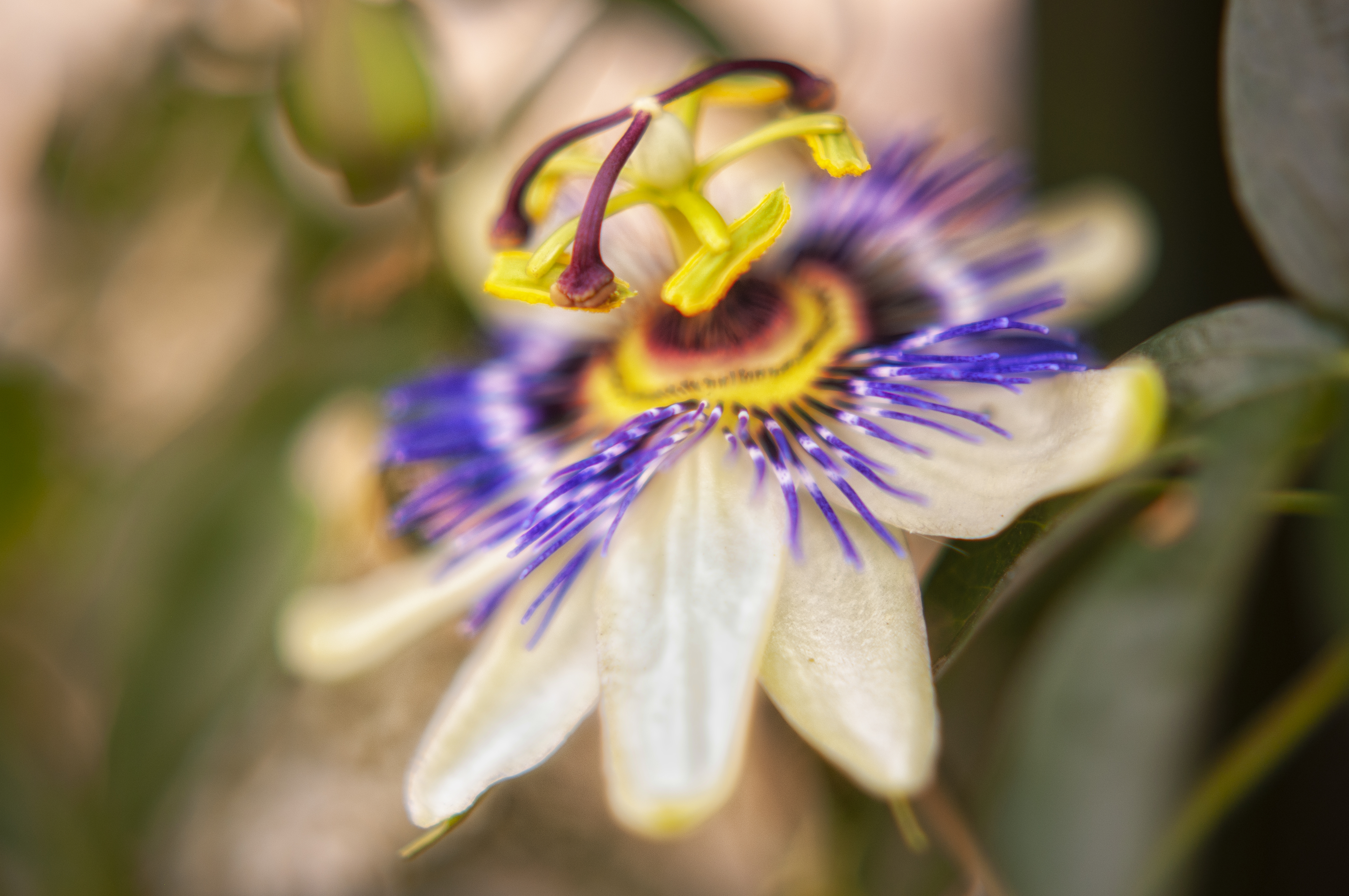
Now the Passionflower is mainly used as an ornamental plant. It is a native plant in the warmer parts of North and South America, but you will find it all over the world as an ornamental plant. This plant never gets fruit in cold areas. The fruits of the orange Passionflower are bitter and not at all tasty. But the fruits of the classic blue Passionflower are a mouth-watering experience to eat. In the cold areas, the Passionflower even dies completely in the winters. But no matter how harsh a winter has been.
Be sure to click on the image to view full screen!