Limenitis populi (Linnaeus, 1758)
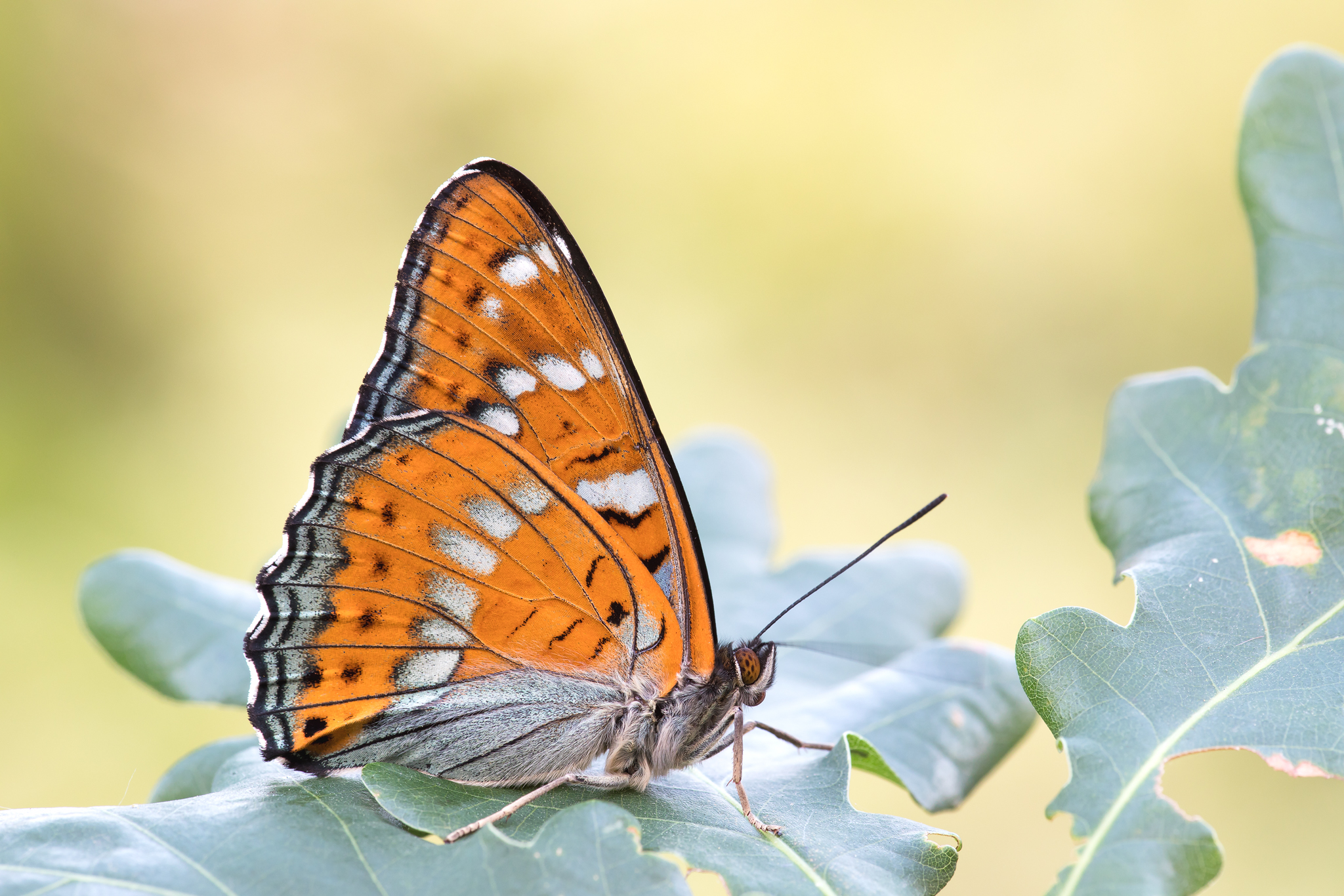
Der große Eisvogel ist ein Tagfalter aus der Familie der Edelfalter (Nymphalidae). Durch seine Flügelspannweite von bis zu 90mm ist er eine imposante Erscheinung und damit der größte Tagfalter in Europa. Sein Lebensraum bilden feuchte Mischwälder mit ausreichendem Vorkommen von Zitterpappel (Populus tremula). Das Weibchen legt seine Eier einzeln auf die Blattoberseite an die Spitze der Blätter. Die Stelle der Eiablage wird sorgsam ausgewählt, denn die Stelle darf nicht zu trocken sein. Die Raupe baut sich aus einem Blatt eine schützende Hülle (Hibernarium) um darin zu überwintern. Erst im Frühling nimmt sie die Nahrungsaufnahme wieder auf, um sich im Mai an einem Blatt zu verpuppen. Der Falter fliegt in einer Generation in den Sommermonaten Juni und Juli.
The poplar admiral is a butterfly from the family of Nymphalidae. Its wingspan of up to 90mm makes it an impressive sight, making it the largest butterfly in Europe. Its habitat is formed by moist mixed forests with sufficient occurrence of aspen (Populus tremula). The female lays her eggs one by one on the upper side of the leaves at the tip. The place where the eggs are laid is chosen carefully, as the place must not be too dry. The caterpillar builds a protective cover (hibernarium) out of a leaf to overwinter in. Only in spring does it resume feeding, only to pupate on a leaf in May. The butterfly flies in one generation in the summer months of June and July.
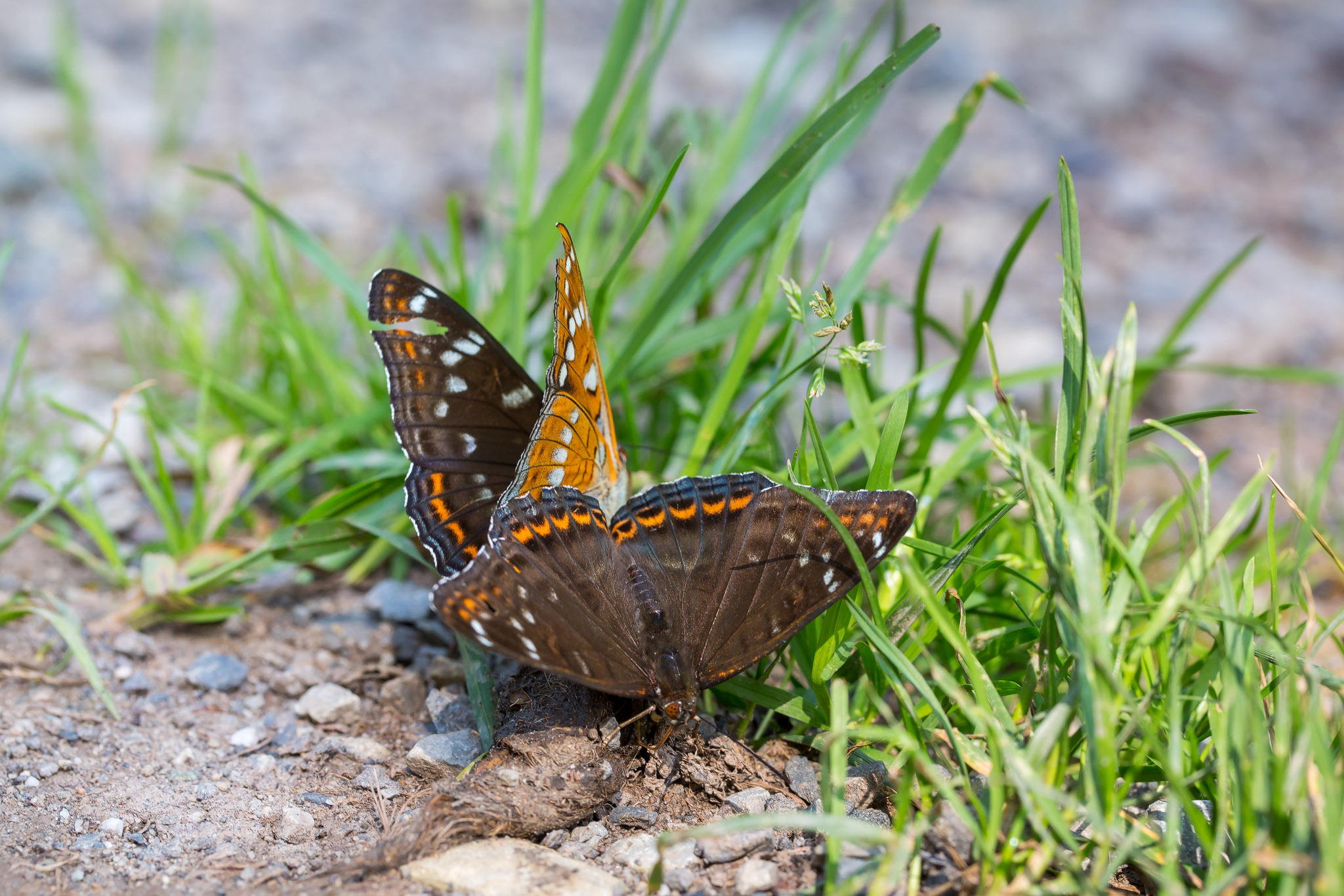
Während die Weibchen die meiste Zeit in Gipfeln der Bäume verbringen, fliegen die Männchen in den Morgenstunden auf den Boden um Mineralien aufzunehmen. Der große Eisvogel ist kein Freund von Blüten und saugt keinen Nektar. Er bevorzugt Tierexkremente oder Mineralien an feuchten Stellen auf Waldwegen.
While the females spend most of their time in tree tops, the males fly to the ground in the morning hours to absorb minerals. The large kingfisher is no friend of flowers and does not suck nectar. It prefers animal excrement or minerals in damp places on forest paths.
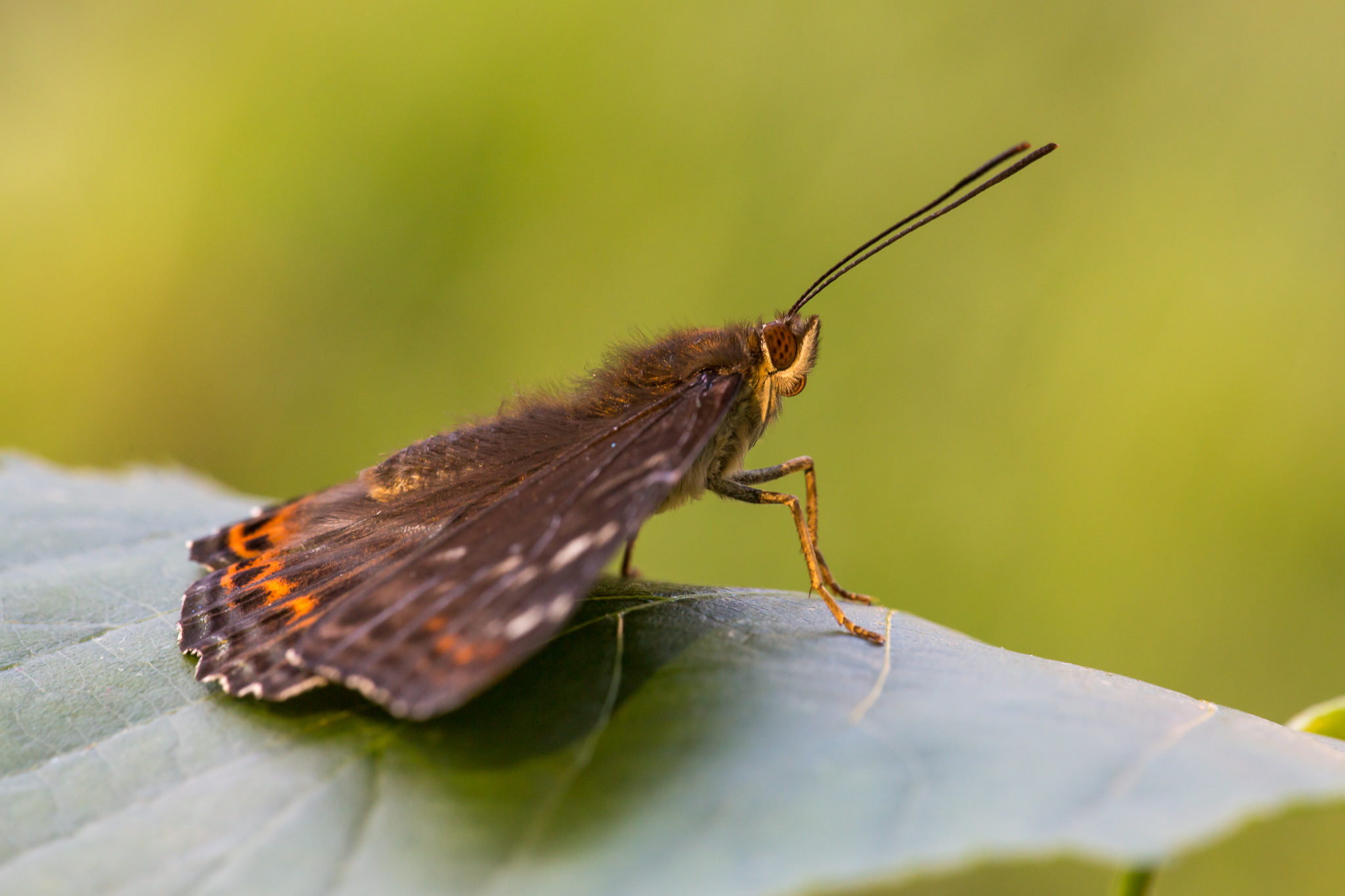
Mit etwas Glück kann man ihn ruhend an lichtdurchfluteten Stellen auf Blättern in Ruhestellung beobachten. Oft fliegt er die gleichen Stellen wiederholt an. Meistens befinden sich in der Nähe eine besondere Stelle, an dieser der Falter saugt. Es erfordert schon etwas Geduld bis der Falter sich an die Anwesenheit von Menschen gewöhnt. Bewegt man sich langsam gelingen mit etwas Glück auch Bilder, bei denen der Falter ruhend auf einem Blatt sitzt.
With a little luck you can observe it resting in light-flooded places on leaves in resting position. It often flies to the same places repeatedly. Usually there is a special place nearby where the butterfly sucks. It takes some patience until the butterfly gets used to the presence of humans. If you move slowly and with a bit of luck, you can also create pictures where the butterfly sits resting on a leaf.
In Deutschland ist dieser fantastische Schmetterling sehr selten geworden. Er reagiert sensibel auf klimatische Veränderungen. In Unterfranken wurde er vor 25 Jahren im Spessart das letzte Mal nachgewiesen. Das nächste mir bekannte Vorkommen existiert im Steigerwald und in der Rhön. Der Falter ist sehr selten, sodass nur noch in Sachsen Anhalt eine größere Population existiert.
In Germany this fantastic butterfly has become very seldom. It reacts sensitively to climatic changes. In Lower Franconia it was last recorded in the Spessart 25 years ago. The next occurrence known to me exists in the Steigerwald and in the Rhön. The butterfly is extremely rare, so that only in Saxony-Anhalt a larger population exists.
〰️
| Category: | Macro |
| Camera: | Canon 5D Mark III |
| Lens: | Canon EF 100 mm 1:2.8L Macro IS USM |
| Location: | Germany, Saxony Anhalt, Zeitzer Forst |
Wenn dir mein Beitrag gefällt, freue ich mich über deine Nachricht.
Herzlichen Dank und viele Grüße vom 
If you like my contribution, I am looking forward to your message.
Many thanks and greetings from Germany 🦋
🔴 SteeamPeak (Best user interface for the Steem Blockchain)🔴