
Many small flies can be seen ...
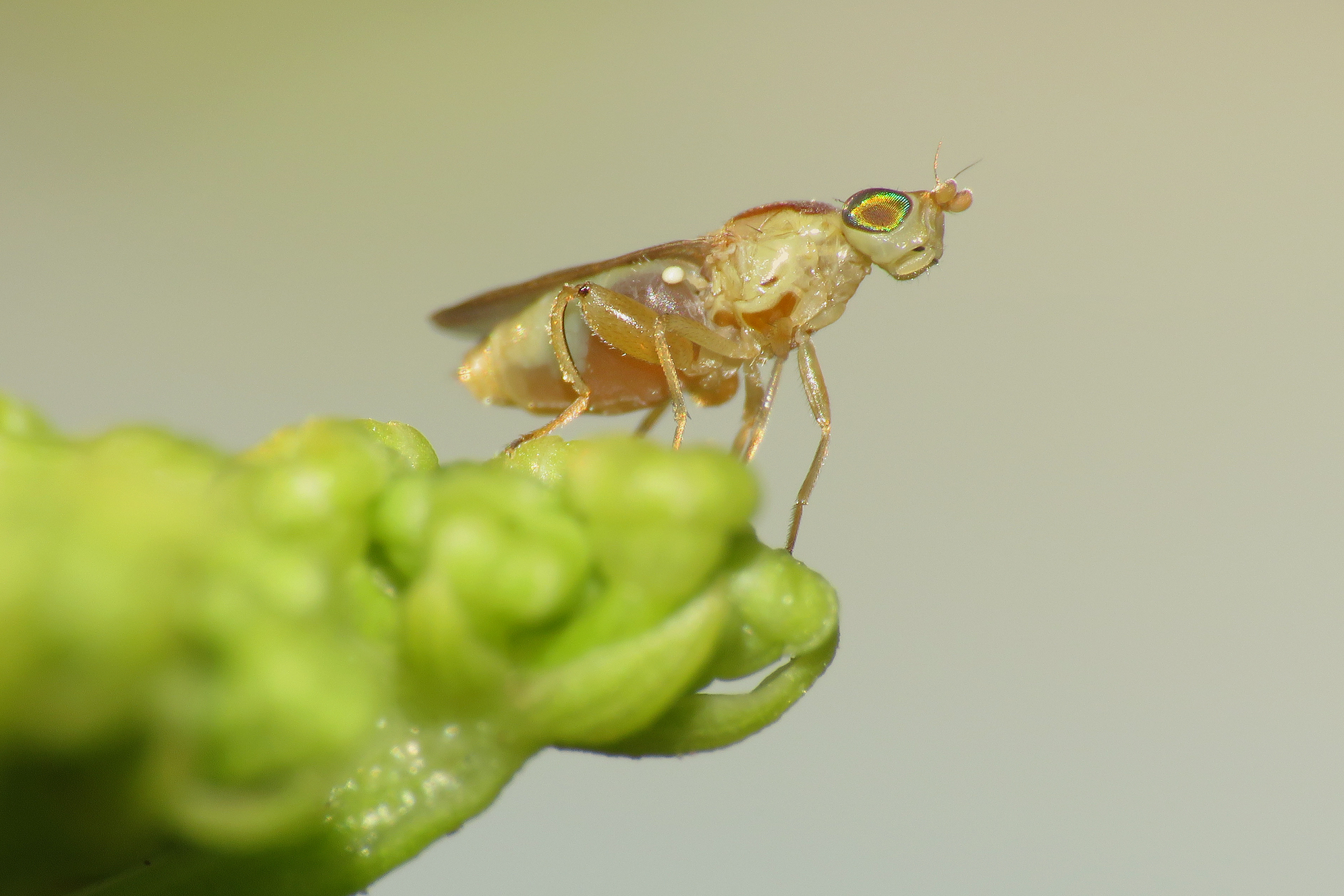
... at the end of summer ...
... when the Crithmum maritimum plant is in bloom ...
... here on the coastline ...
... about 5 - 6 kilometers from my house.
I'm pretty unfamiliar with most of these species ... and I can't tell you their names.
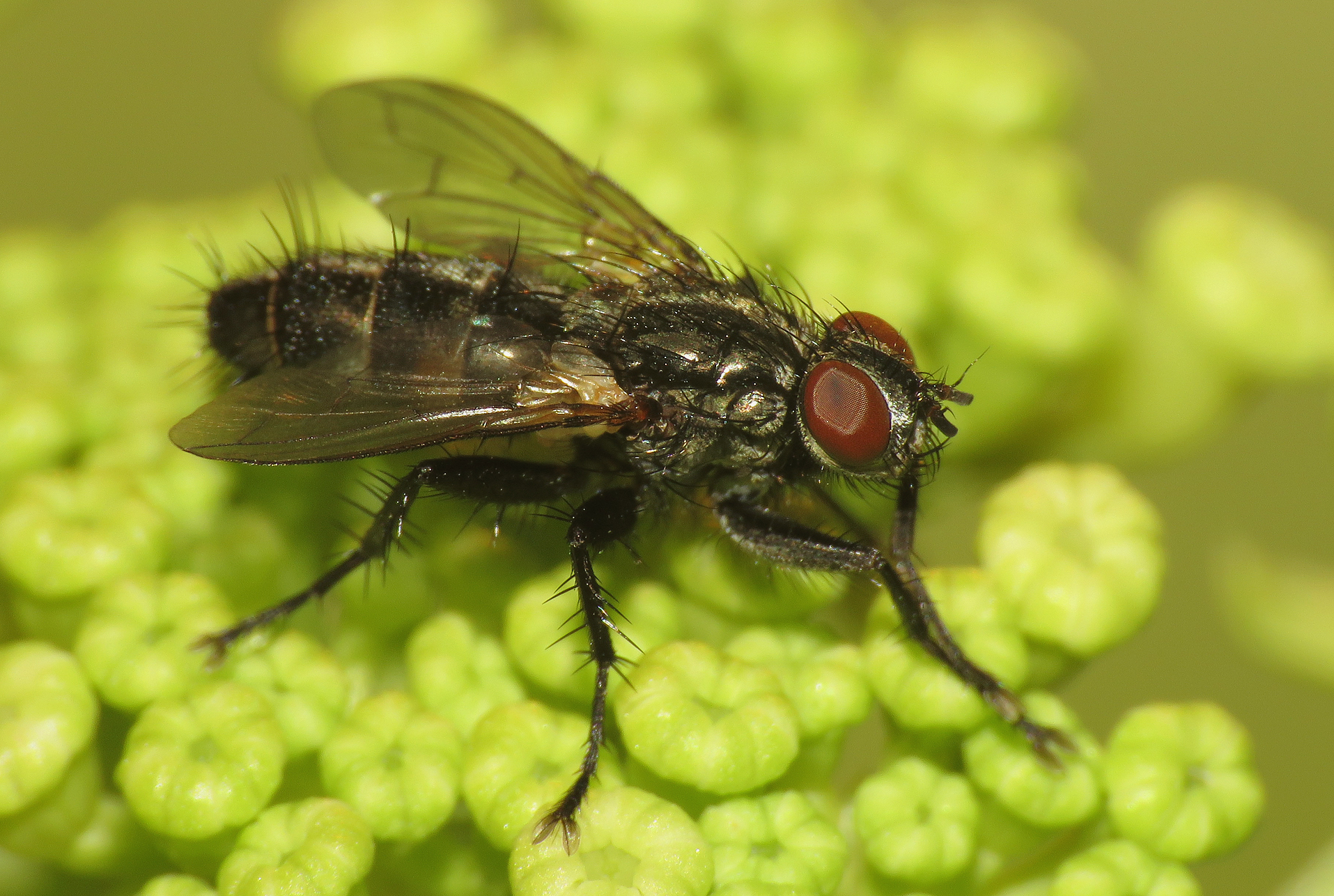
This gray, striped one looks a lot like some flesh fly ... but is attracted by nectar, as you can see here ... so ...
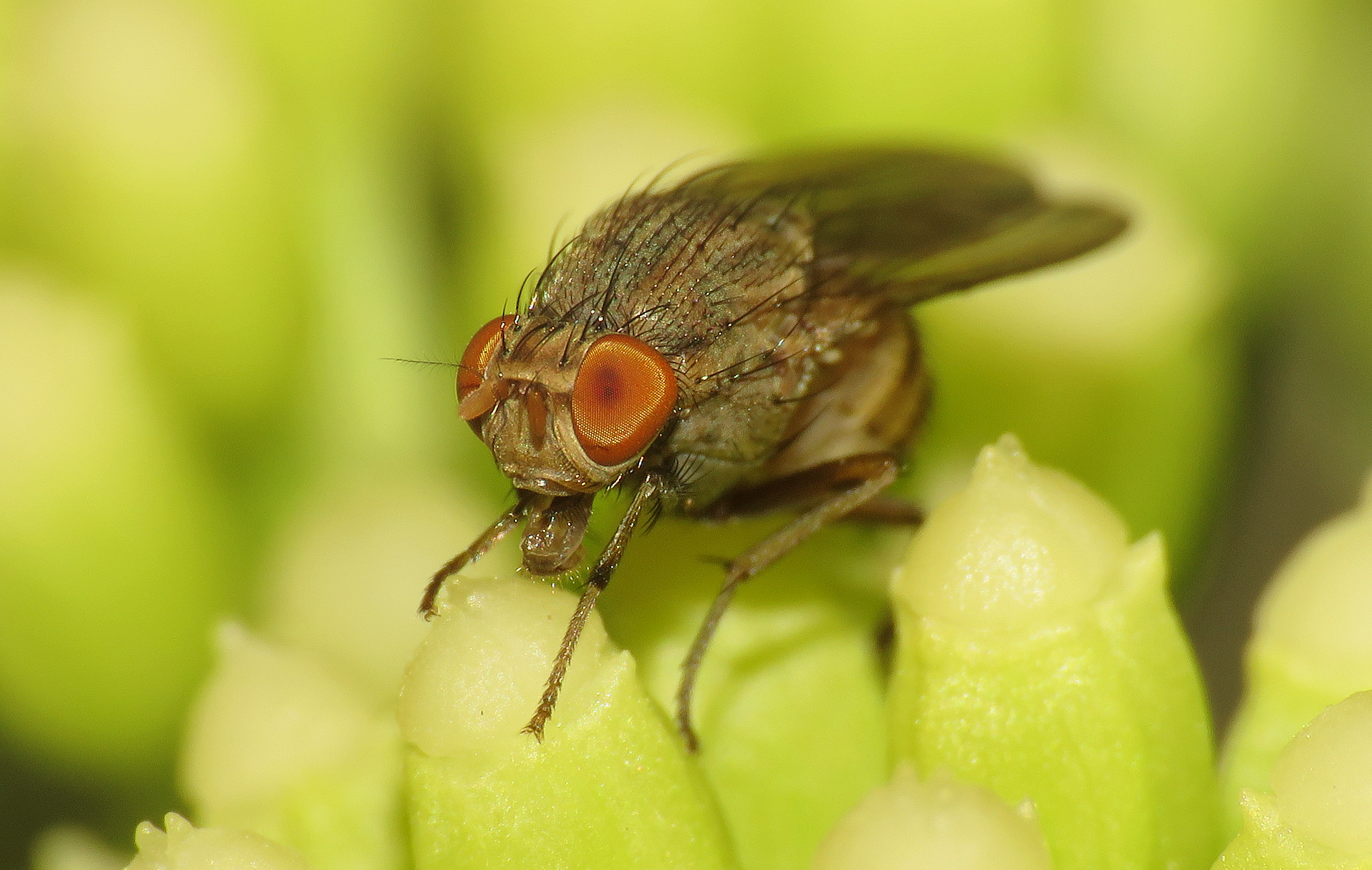
On this up close, macro shot ... this fly looks pretty large ...

... but ...

... this is actually one of the smallest species here.
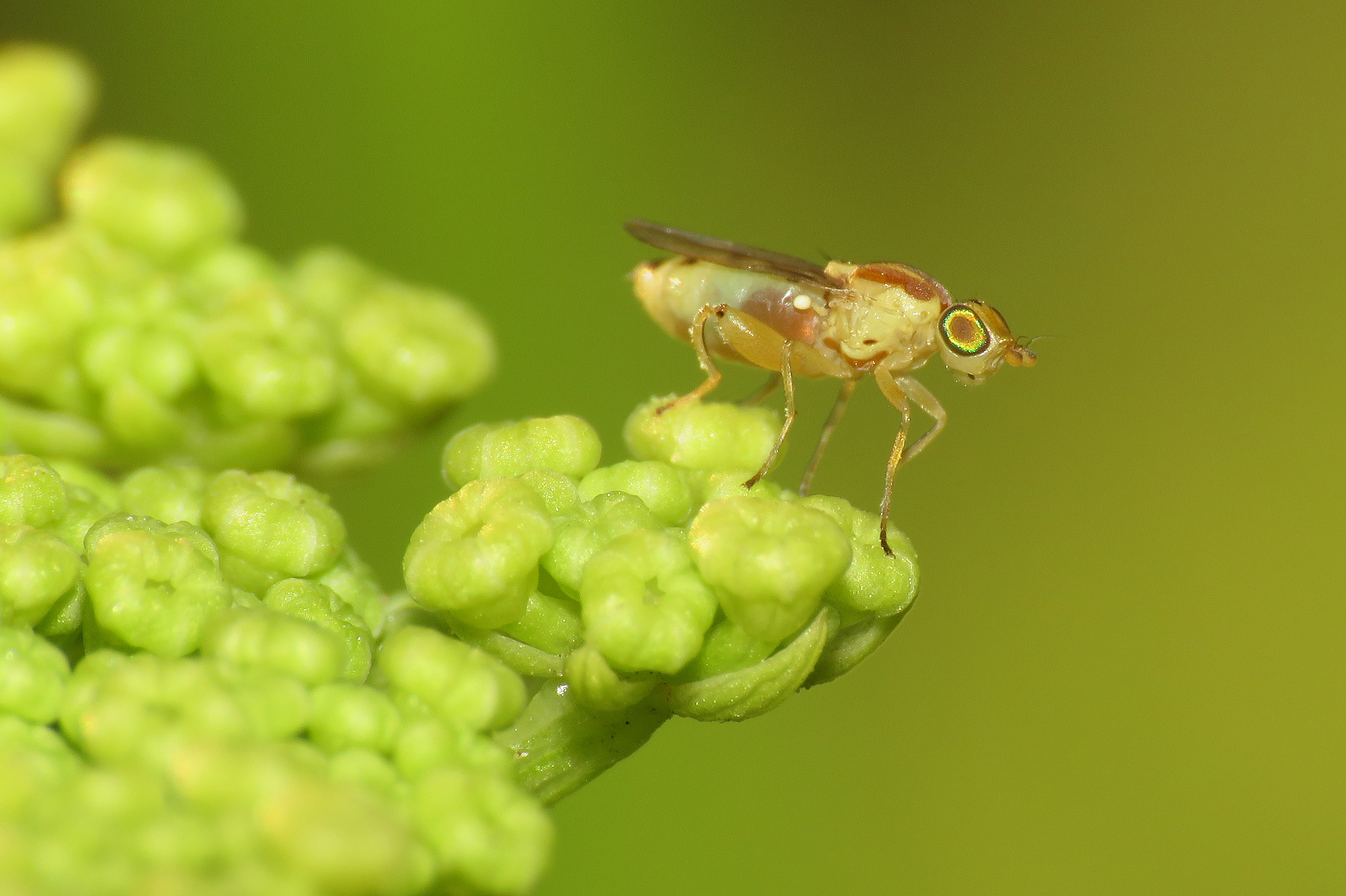
This one ...
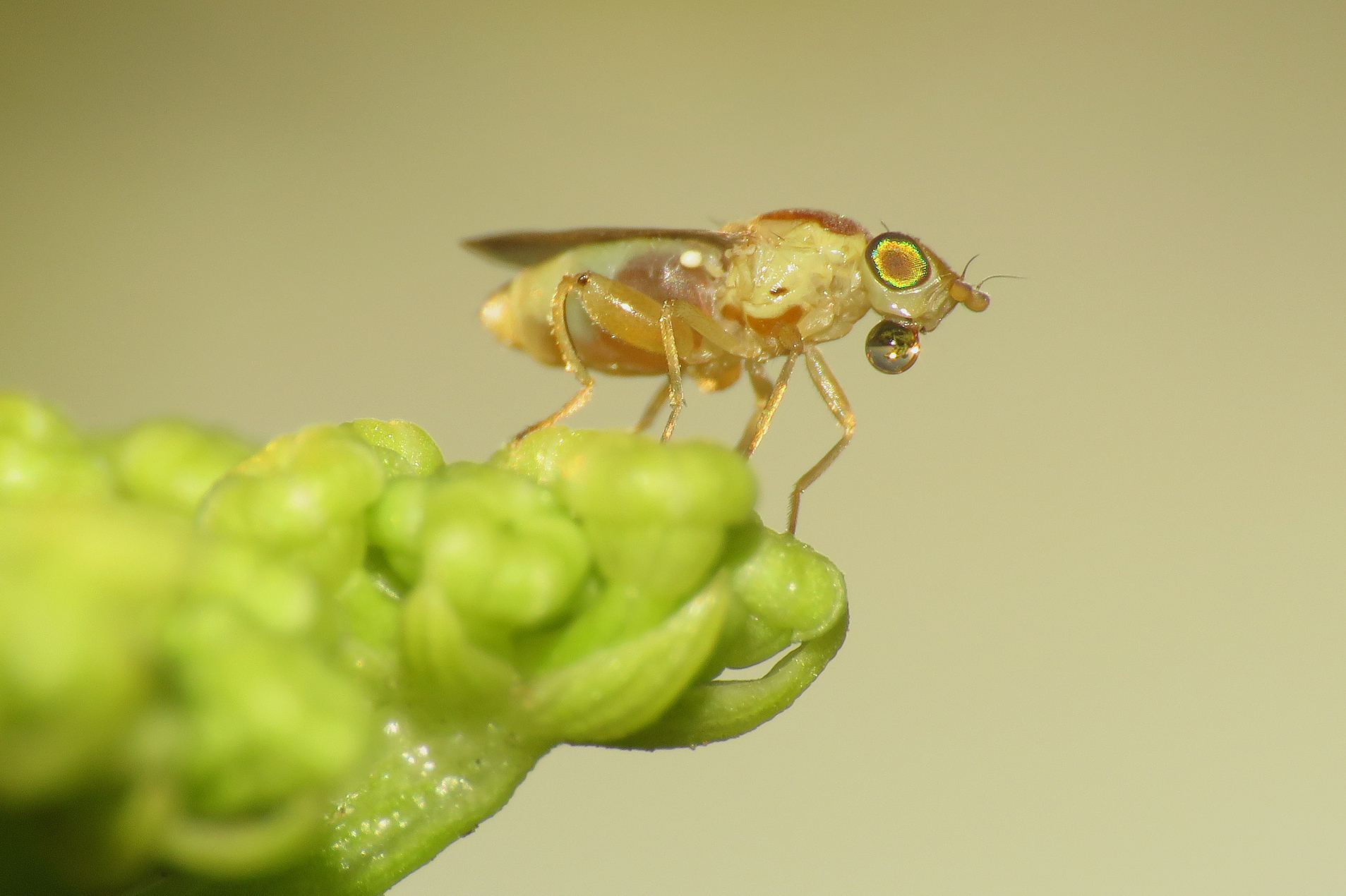
... is even smaller ... and has just created a shiny little droplet.
Meanwhile ...
... in the dry grass, along the dusty little road by the sea ...
... this carrion beetle ...
... the Silpha tristis ... or some other similar species from the Silpha genus of the Silphidae family ...
... is feeding ...
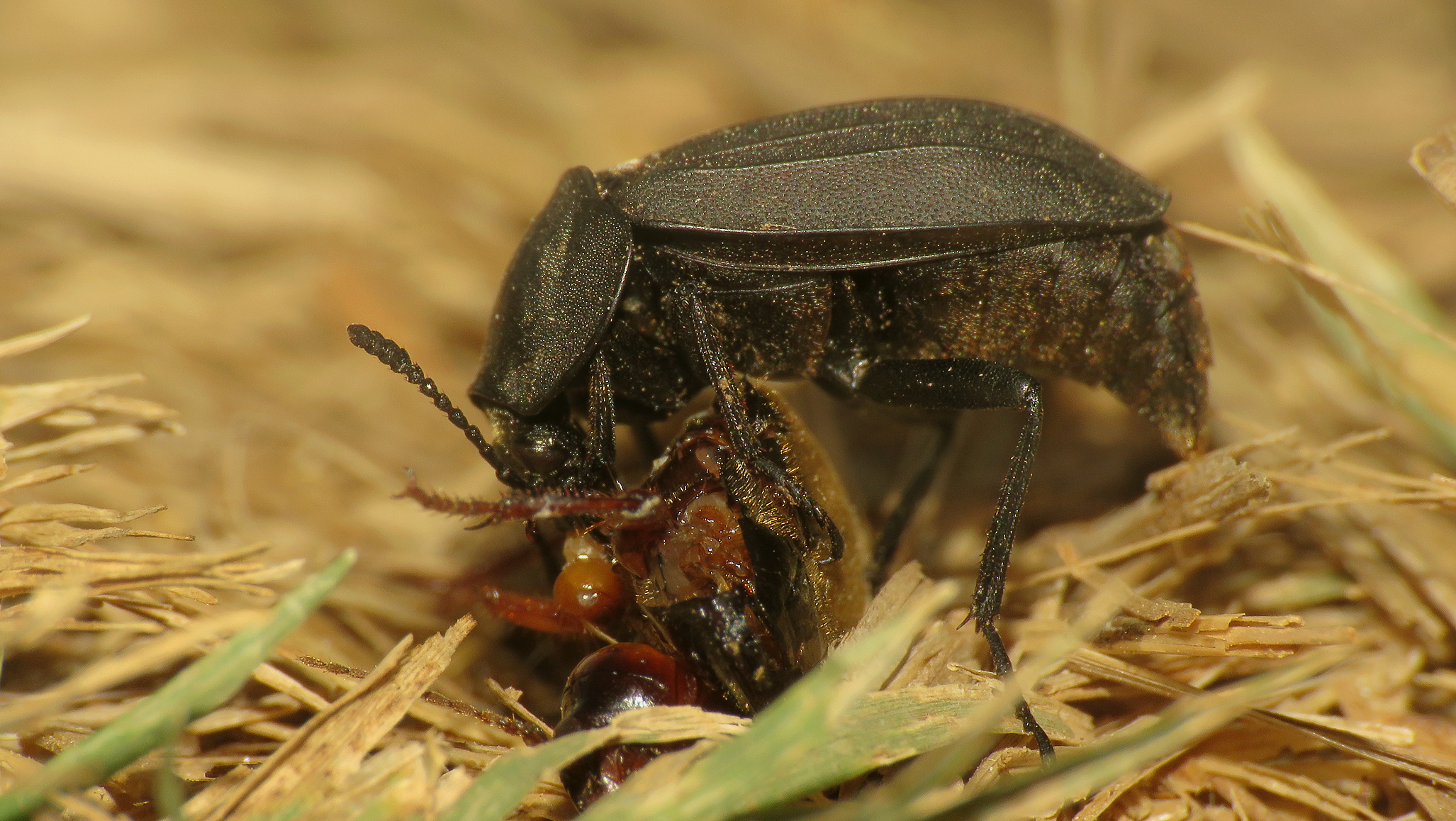
... on the small carcass ...
... of some ground beetle ...
... probably from the Harpalinae family.
As the day is turning into night ...
... snails are getting active ...
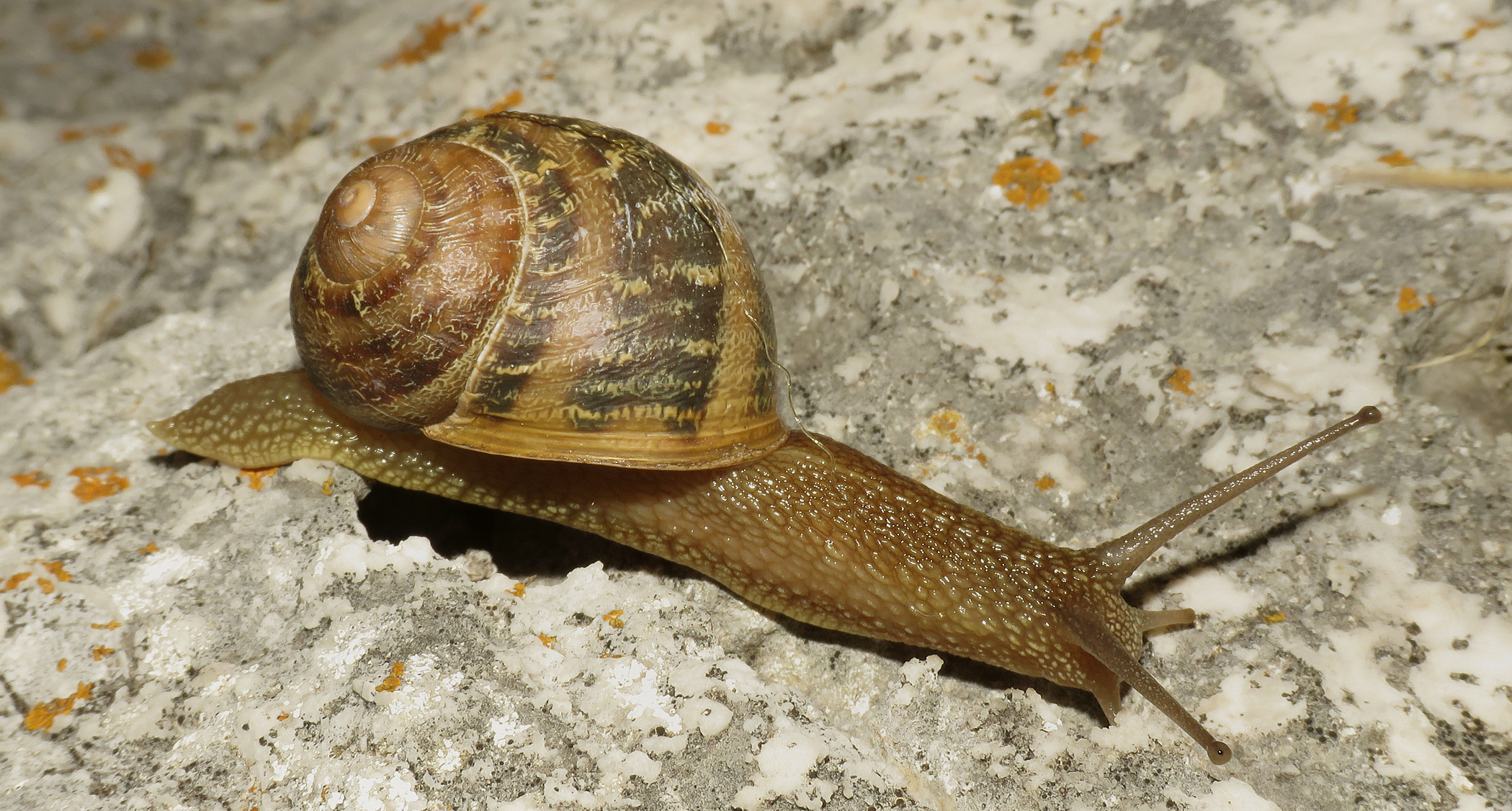
... you can see them crawling across the rocks in search for some juicy edibles.
With this ... and the following few photographs ...
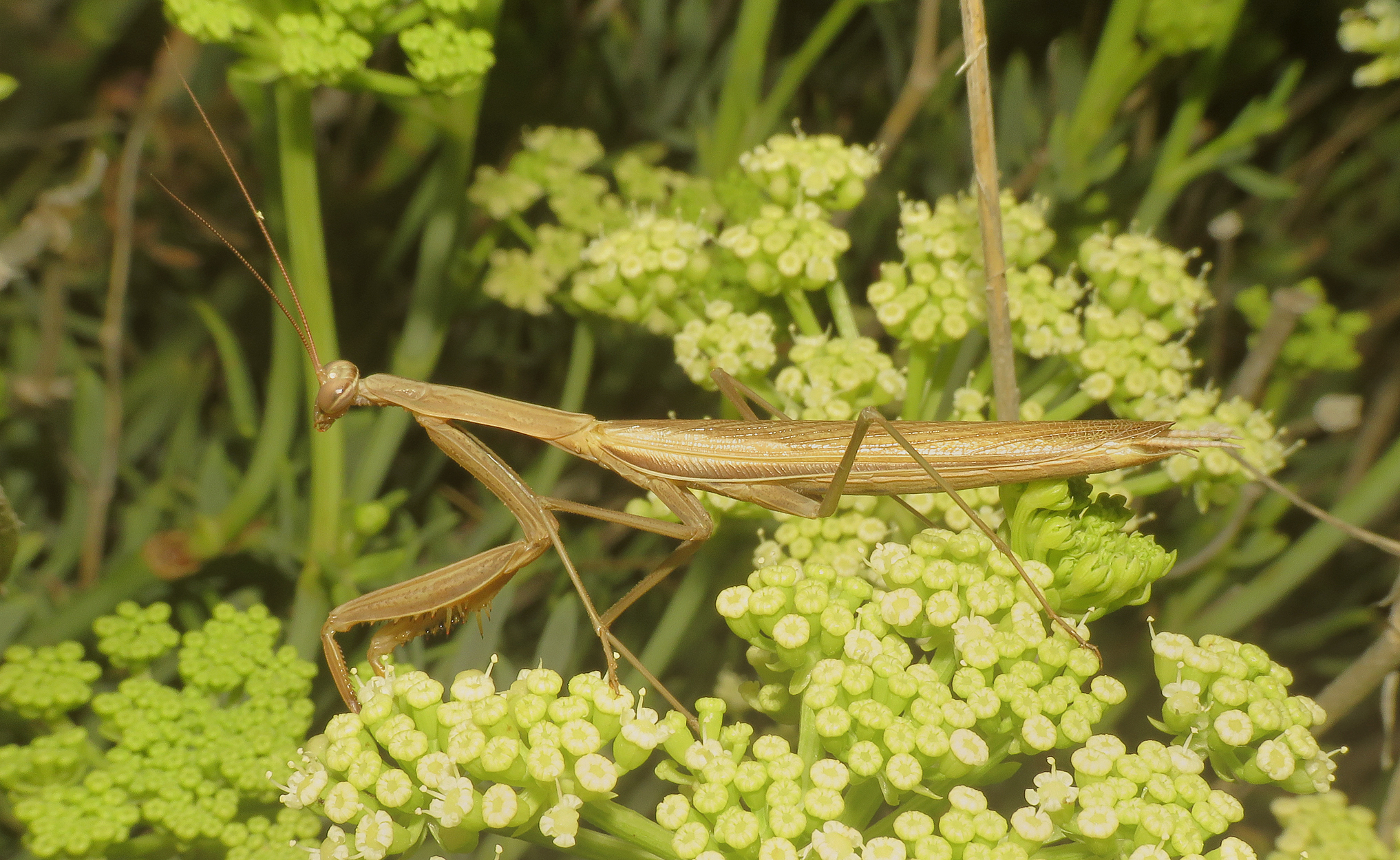
... the focus is again on the Crithmum maritimum plant ...
... the brown variation of the European mantis (Mantis religiosa) is hunting ...
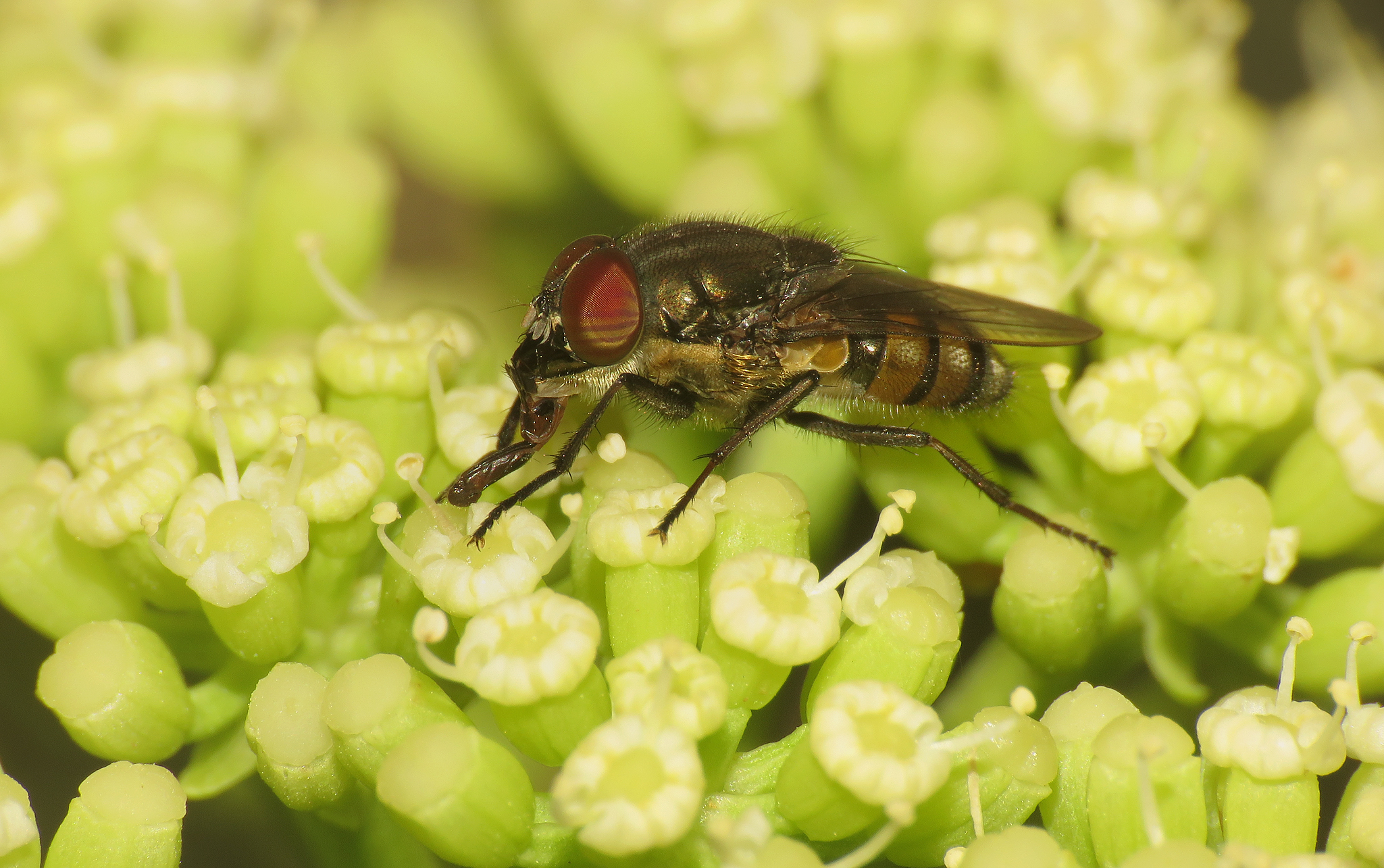
... on this rich feeding ground ...
... with many flies.
The diet of this adult stiletto fly ...
... the Thereva nobilitata ...is a bit of a mystery. Through my internet search, I found only two sentences about this subject : "It is not known for certain what the adult flies feed on, but one was observed on a rabbit corpse and another seemed to be drinking at a stream bed."
The Eristalis tenax drone fly on this photograph is feeding on nectar and pollen ... and mimics the bee with its shape, size and colors.
Among all these flies ...
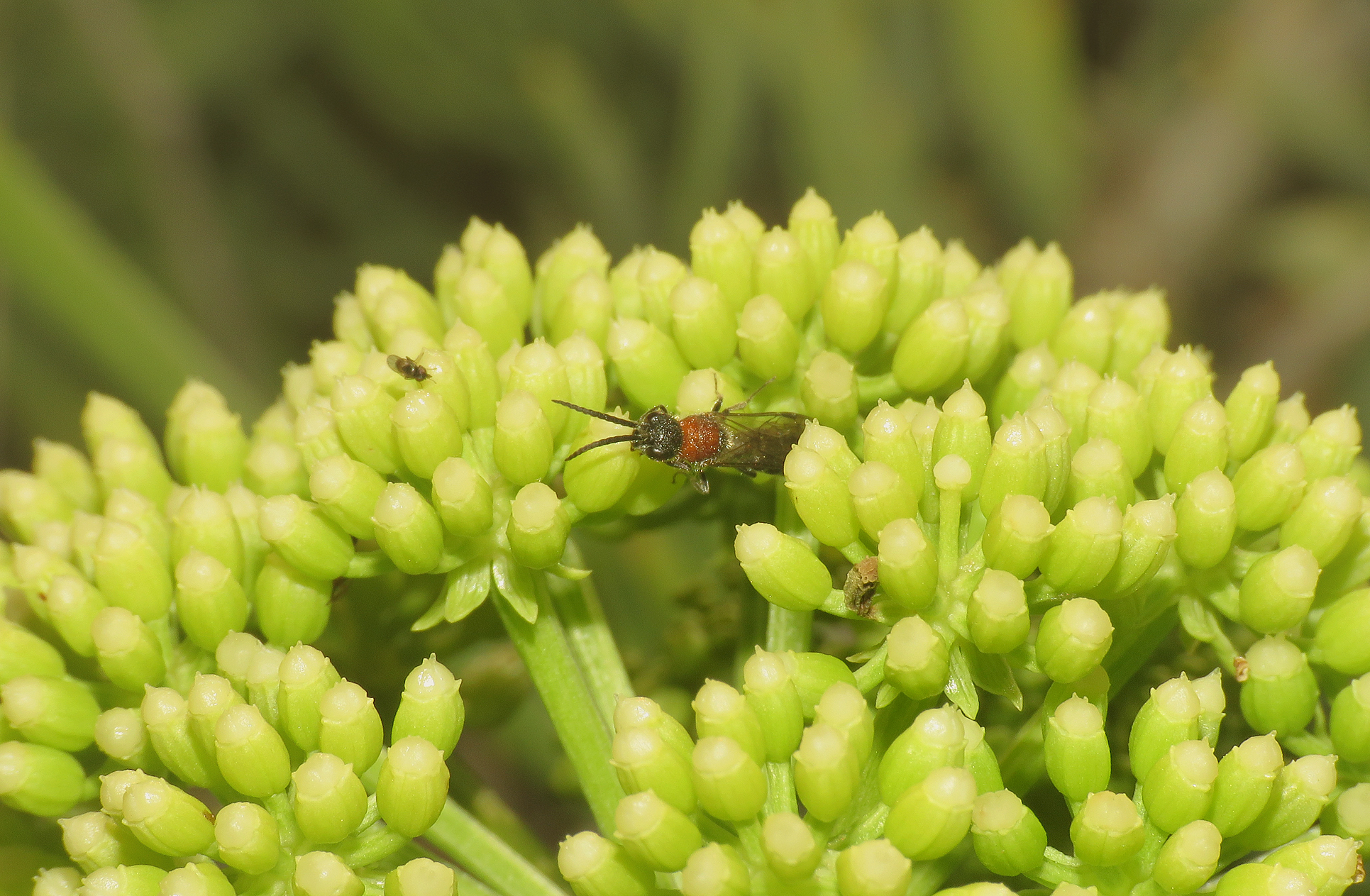
... here on the Crithmum maritimum ...
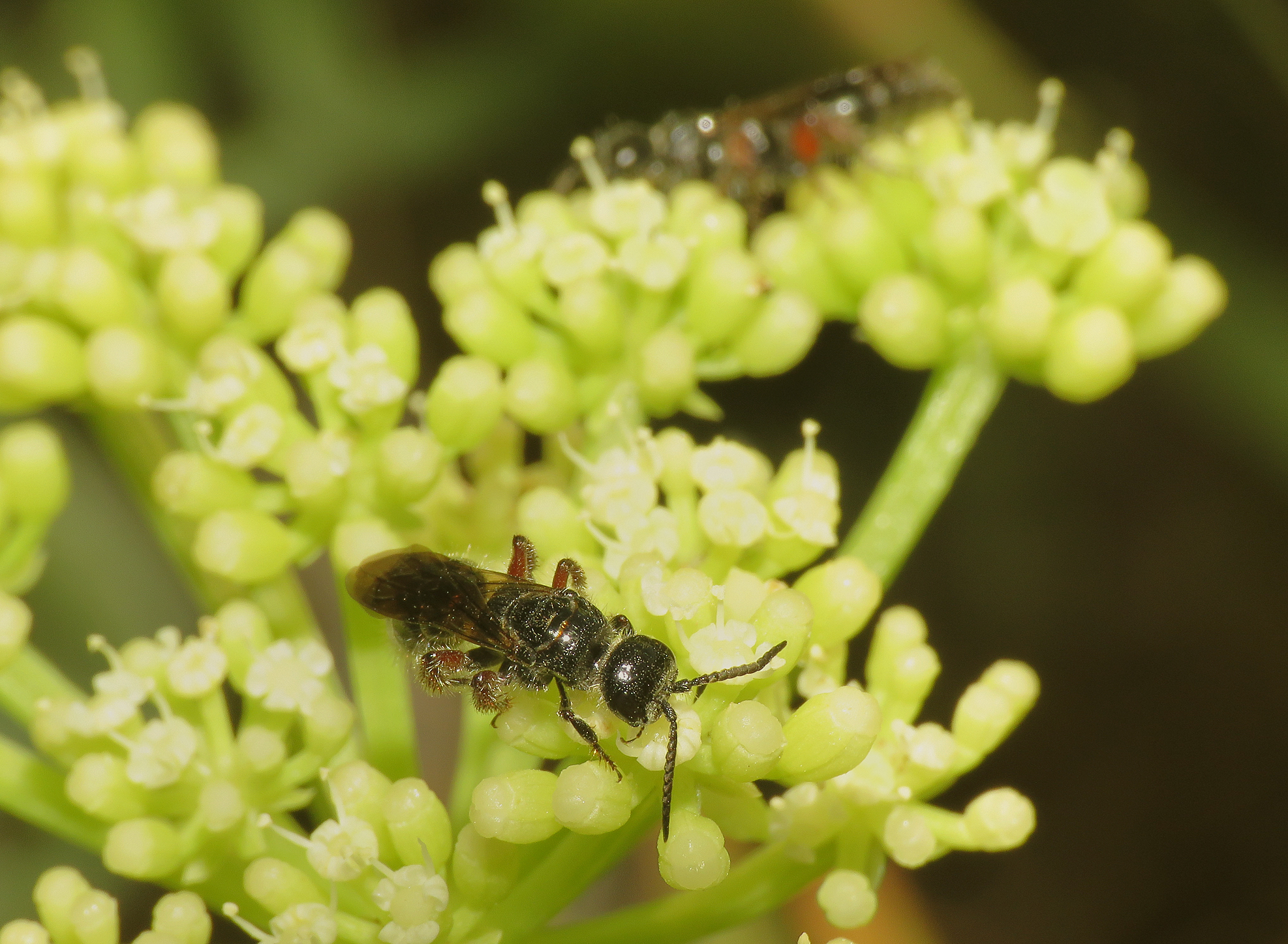
... I noticed also a bunch of medium - sized wasps.
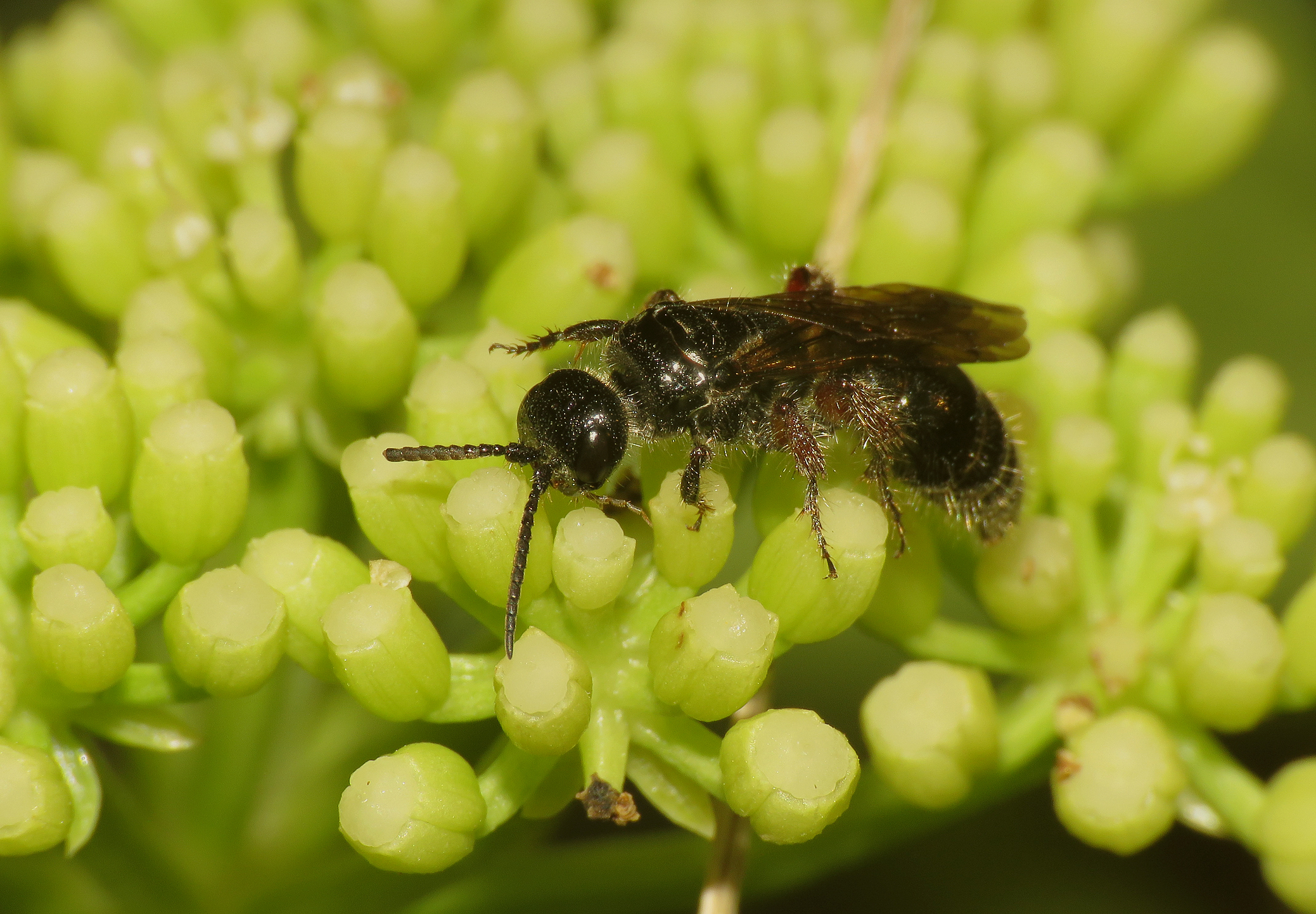
I don't know the name of the species.
Some flies are resting on the dry grass that grows around the green plants covered with tiny flowers.
This is the Paragus haemorrhous hoverfly.
This interesting planthopper was also photographed on the dry grass near the sea, in the late afternoon.
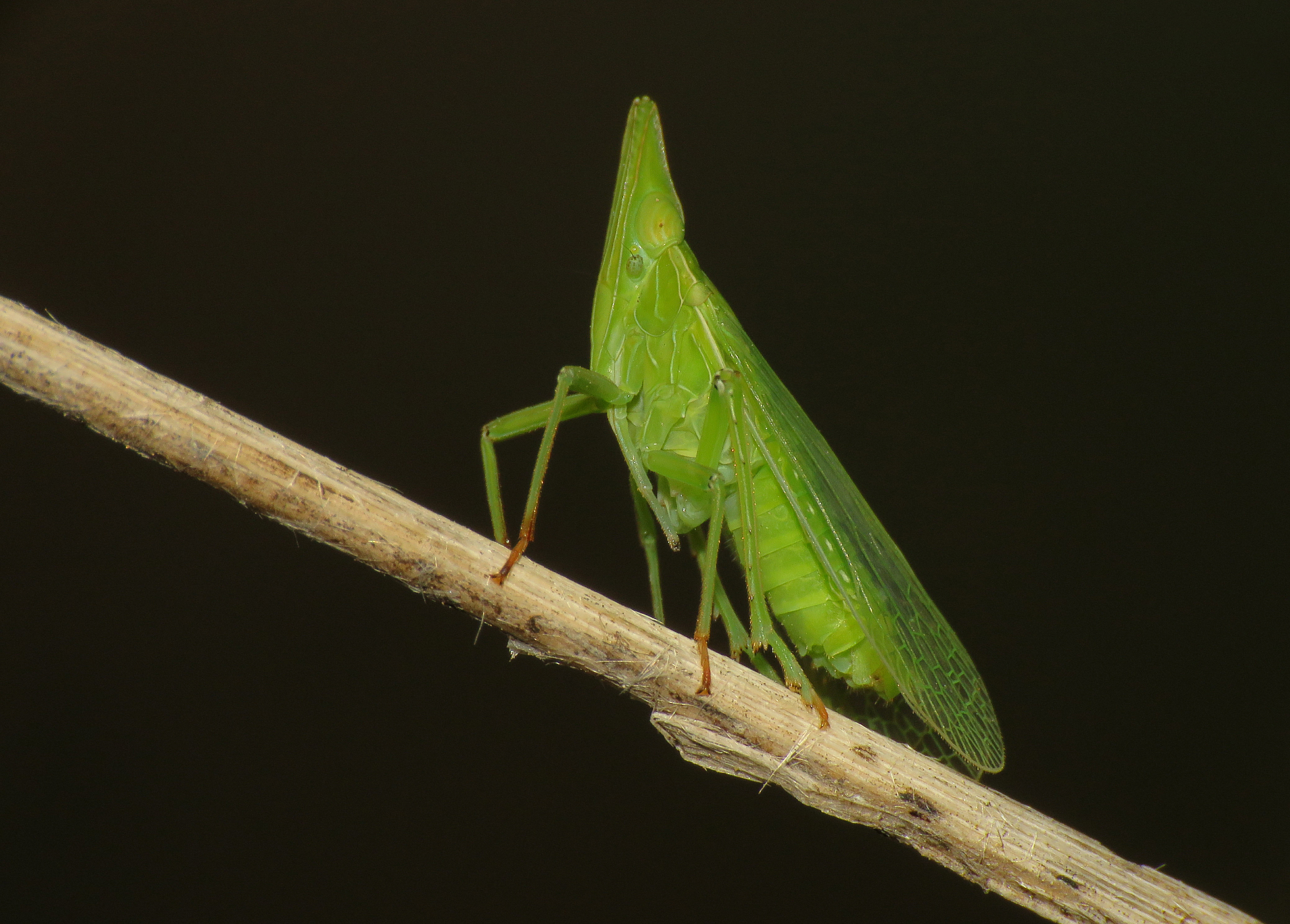
Dictyophara europaea is the name of the species.
This cool plant ...
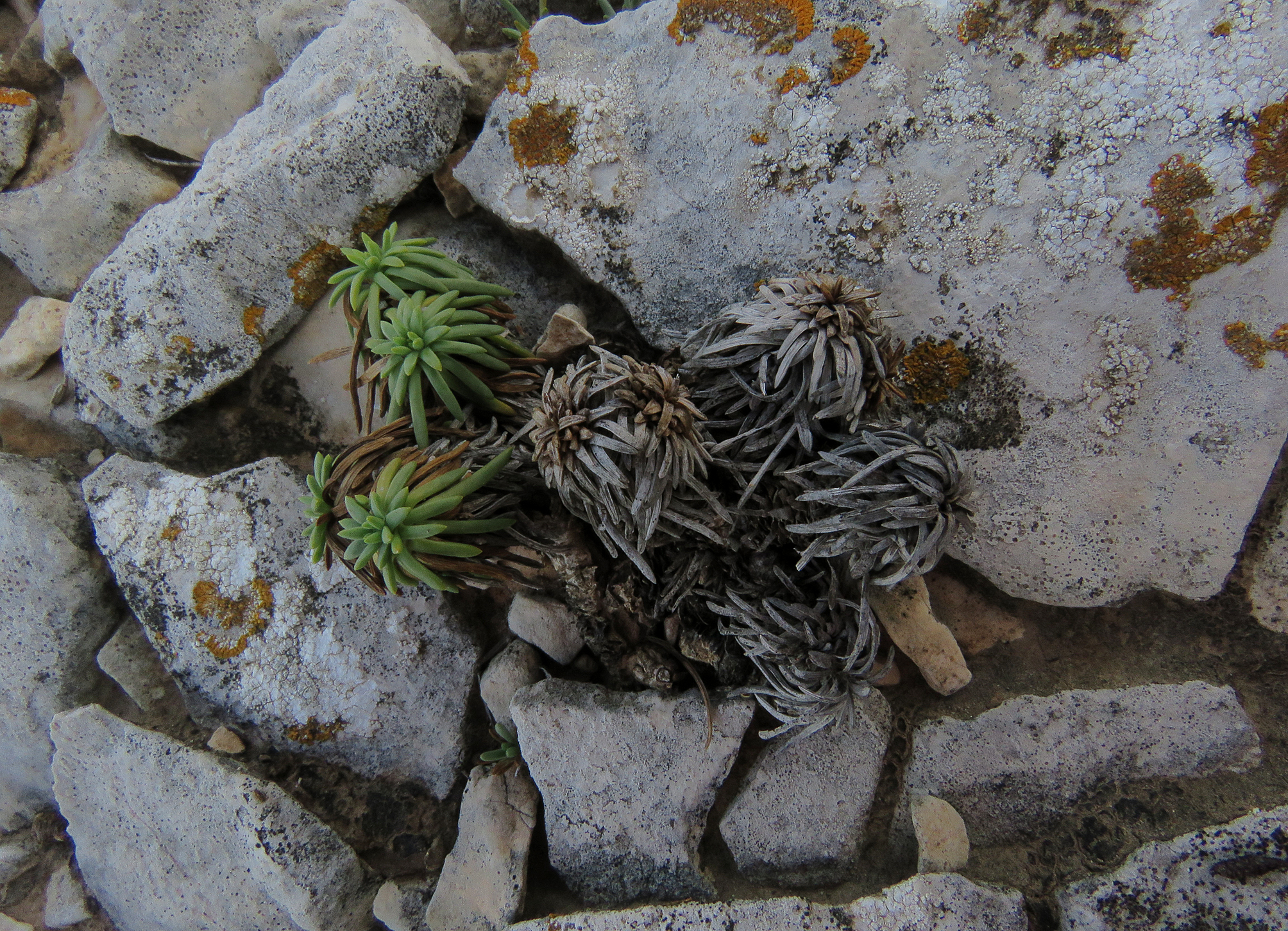
... that grows between the rocks ...
... very close to the sea ...
... is the Plantago subulata.
Sometimes it covers larger patches of coastal terrain ...
... creating dense, carpet - like patterns.
In this interesting case ...
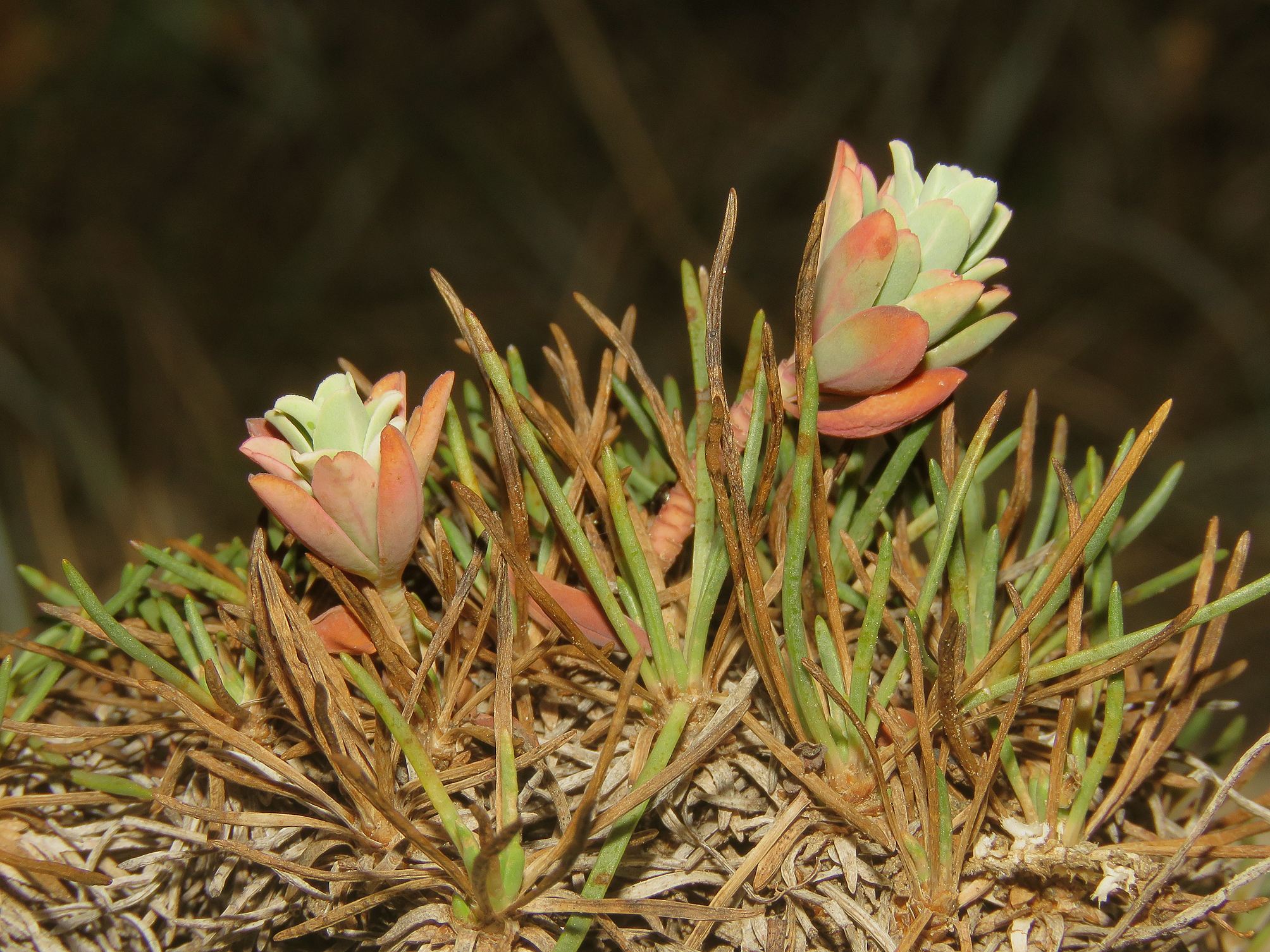
... two young sprouts of the Euphorbia cyparissias plant ...
... are growing ...
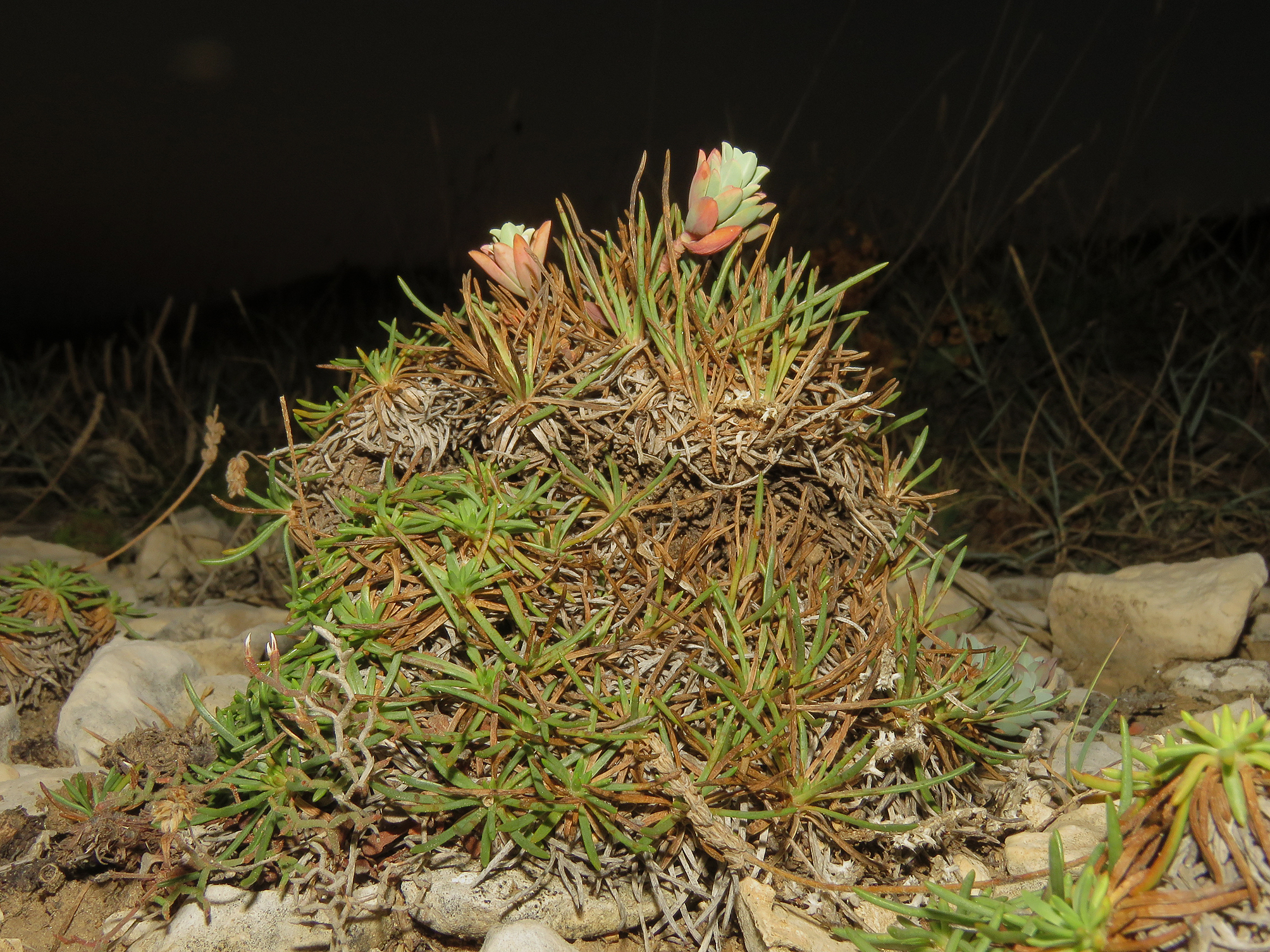
... on the top of a small but picturesque Plantago subulata island.
While photographing all this herbal stuff ...
... I noticed these strange structures close to the ground. I don't know what plant, or plant part, is this.
Here you can see an interesting fly resting on the rock. It has a very peculiar, large head and small wings. I noticed this species only once, this summer, on the occasion when these photographs were taken.
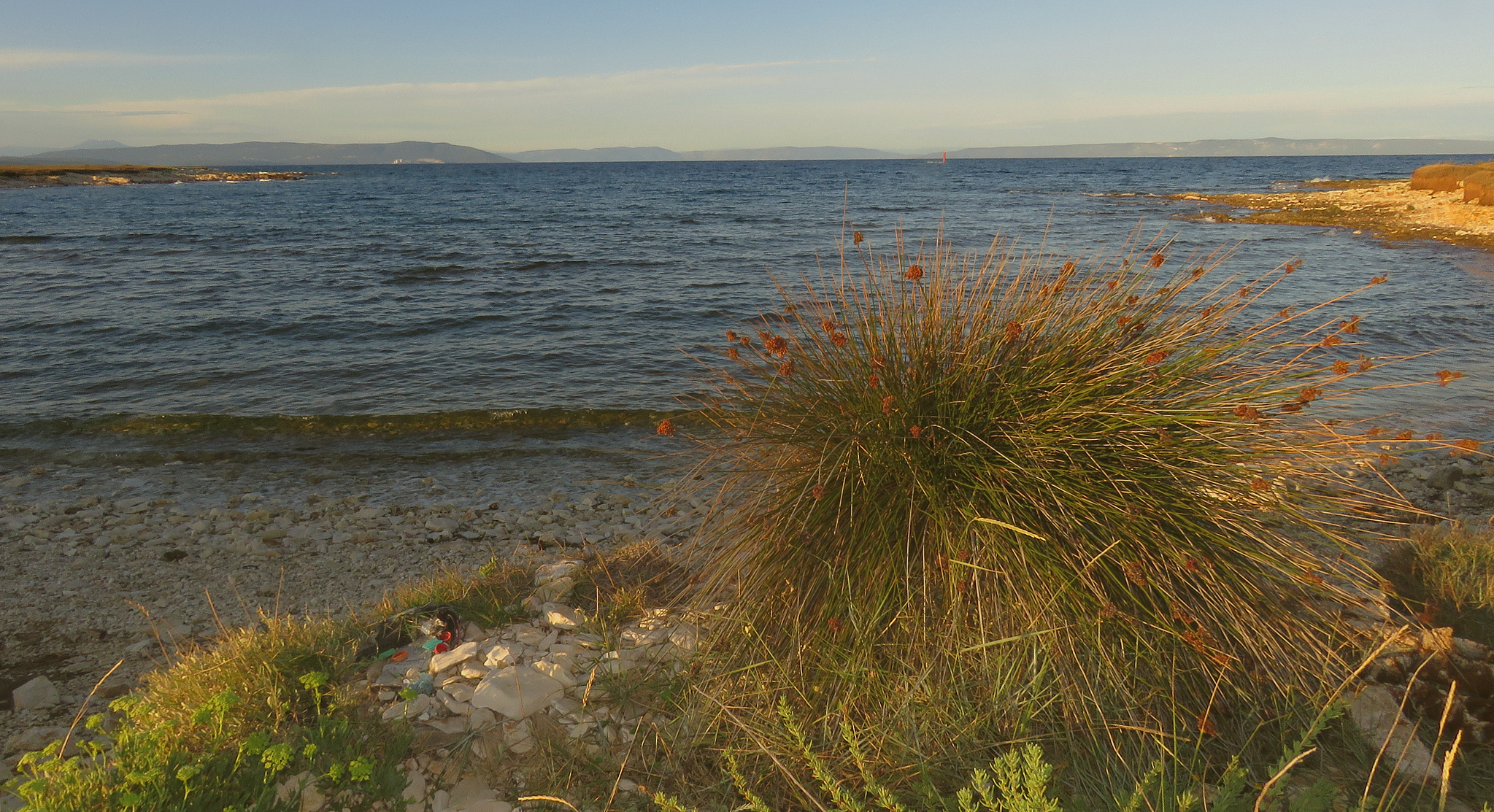
Here you can take a wider look at this habitat.
This is a small, young nymph of the European mantis.
Here you can see a small, glittering jewel beetle ...
... the Agrilus cuprescens.
This looks like another carrion beetle ... much smaller than the one you saw before in this post ...
and it also looks like some seed, lost among little stones and various fragments of dry plant material ...

... but is actually a pretty different, plant eating beetle from the Tenebrionidae family - the Opatrum sabulosum ... which I learnerd only today, a day after publishing the post, thanks to mister 
This Calliptamus italicus ...
... is one of the most common grasshopper species in this habitat.
And now ...
... with this grasshopper nymph of some species unknown to me ...
... and the last look at the Crithmum maritimum at the end of the day ... is time to end this post ... and the entire mini - series ... as always in these posts on HIVE, the photographs are my work - THE DEFINITIVE END.