
This very ordinary springtime walk under the slightly overcast sky ...
... starts in some undefined point of the coastal meadow, with this tiny green jewel - the Gastrophysa viridula beetle. These very common springtime decorations are leaf eaters, gravitating around plants of the genus Rumex.
This is another shiny insect from the meadows ... but this one is dead. This is actually what remains after the spider's lunch. Quite a few spider species, here on the meadow, don't use silk but ambush their preys and after sucking the soft tissues leave these dried out exoskeletons on the ears and leaves of grass.
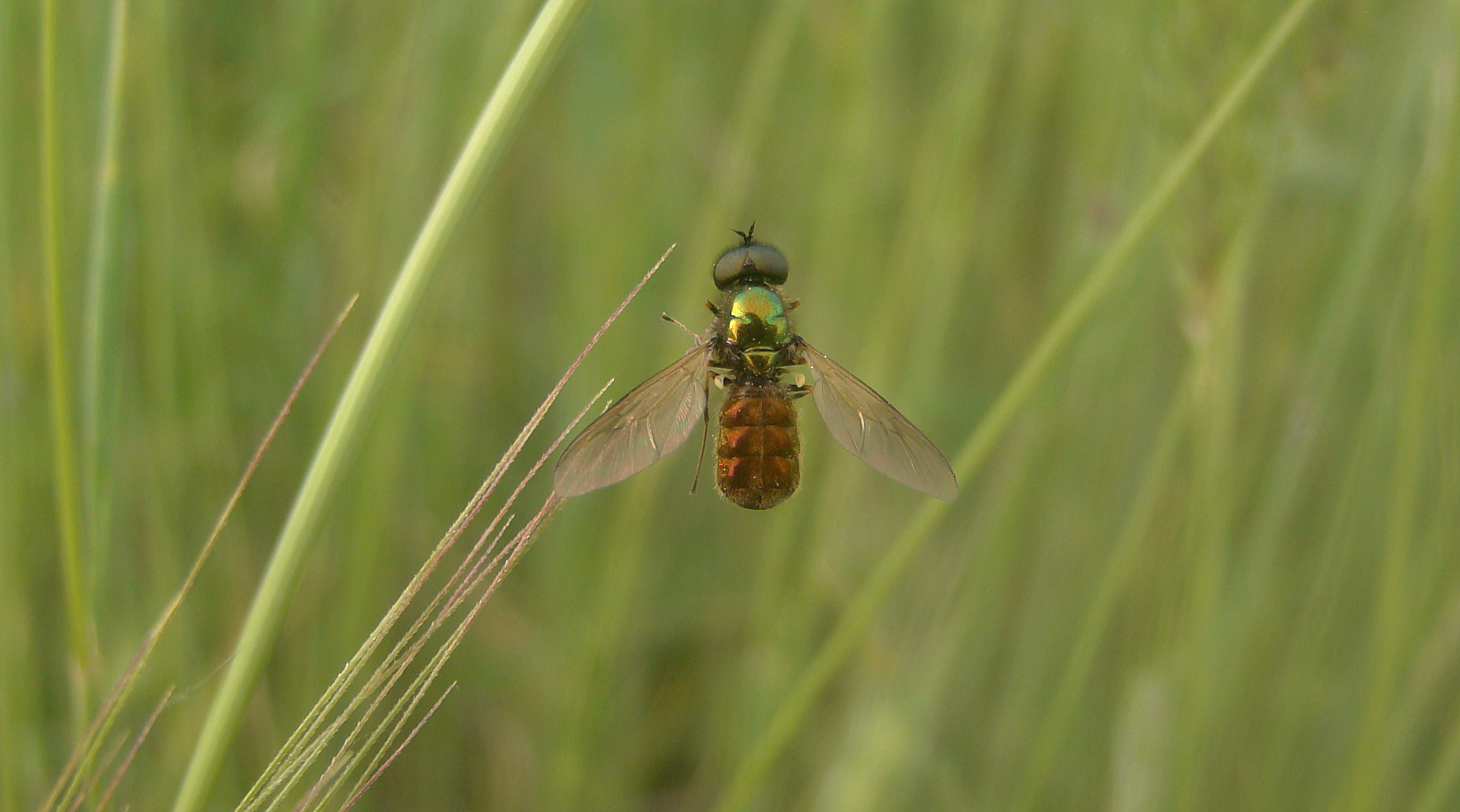
Here is the same fly species, the Chloromyia formosa ... but this one is still alive.
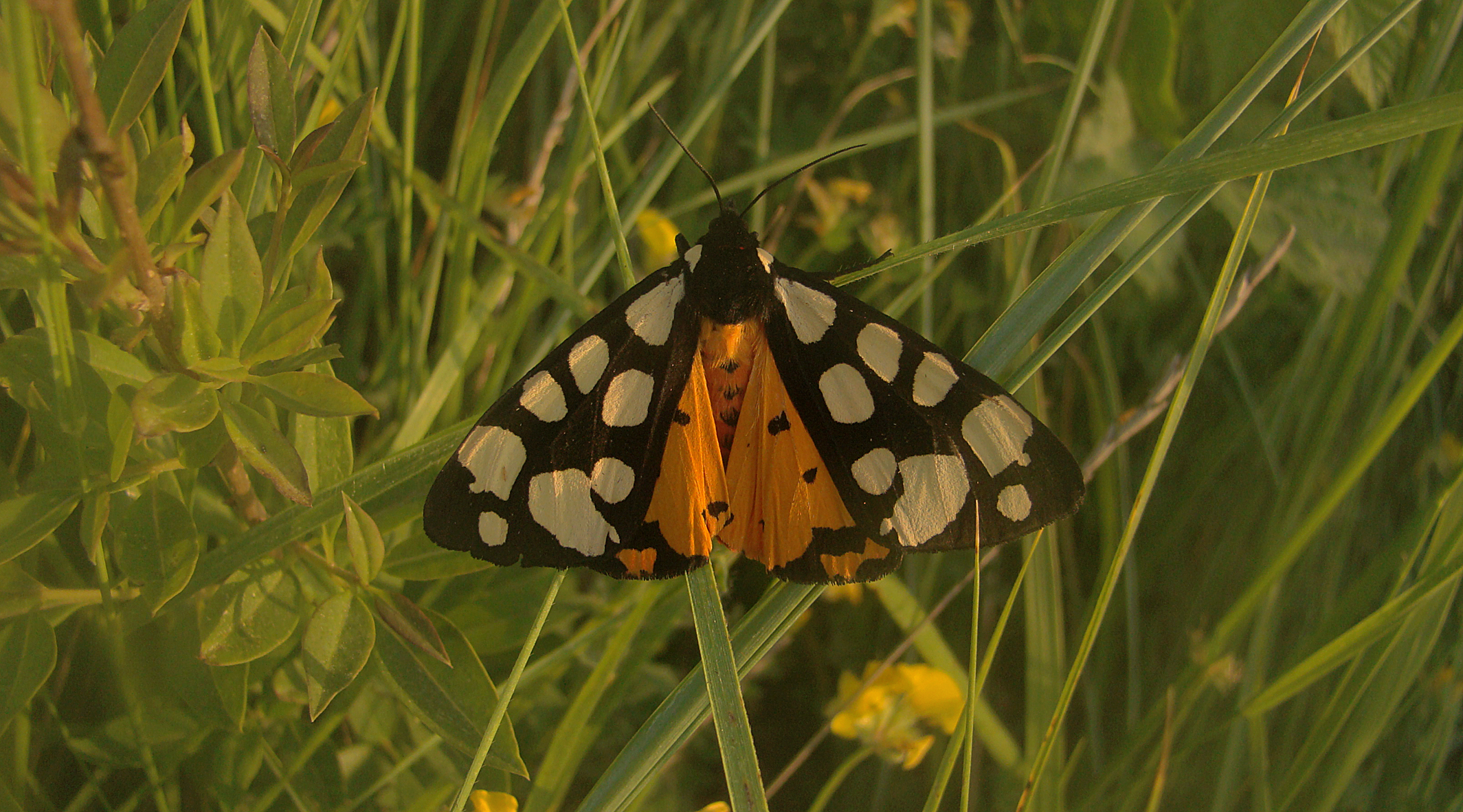
This colorful ... and pretty large moth ...
... is the Arctia villica. They often rest in the tall grass during the day.
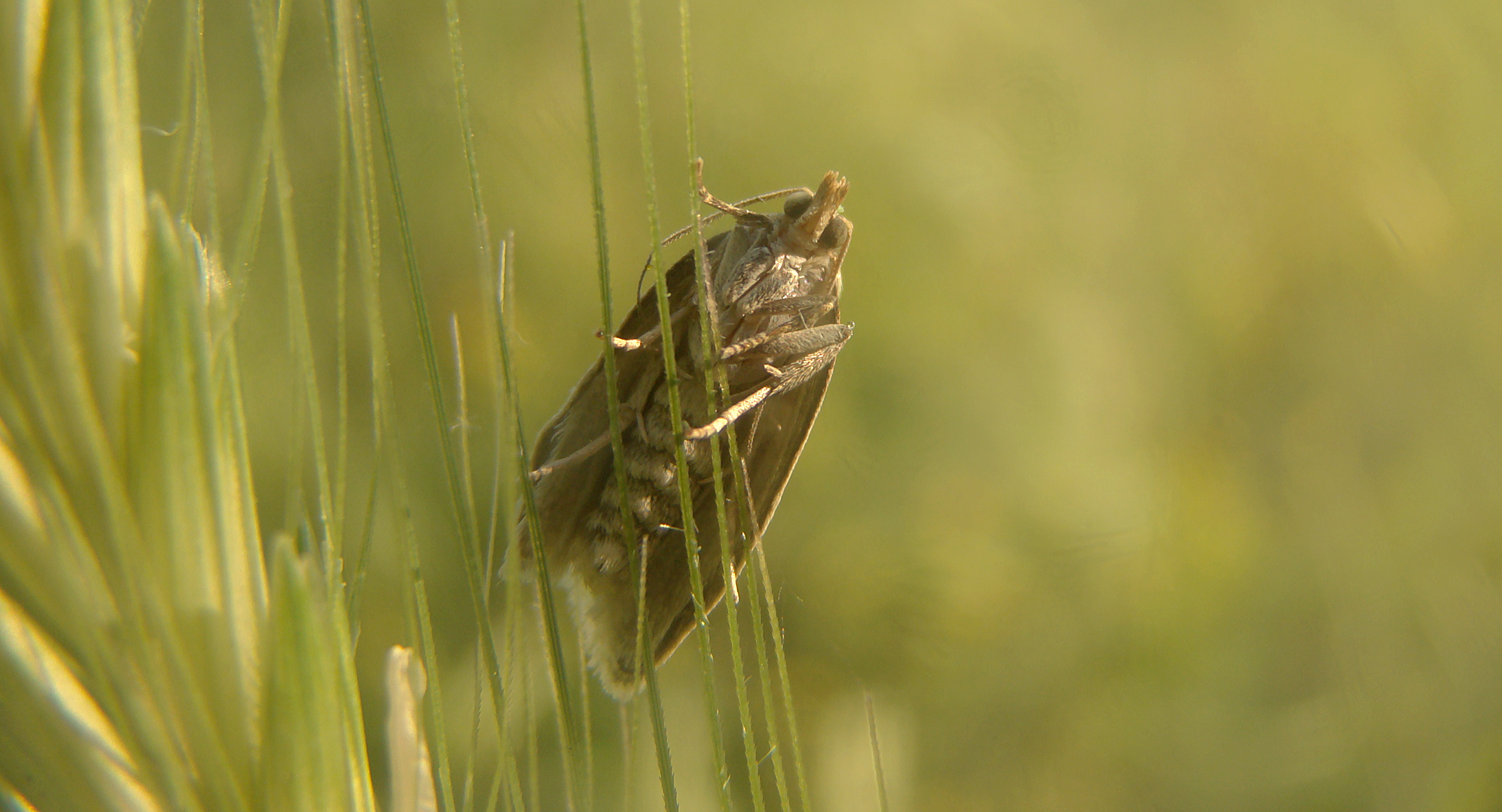
Many minuscule moth are active during the day in the grass.
This is one of them ... and I don't know the exact species.
Here is another small species that I can't name and define.
Here is the empty pupae of some of those tiny moth species.
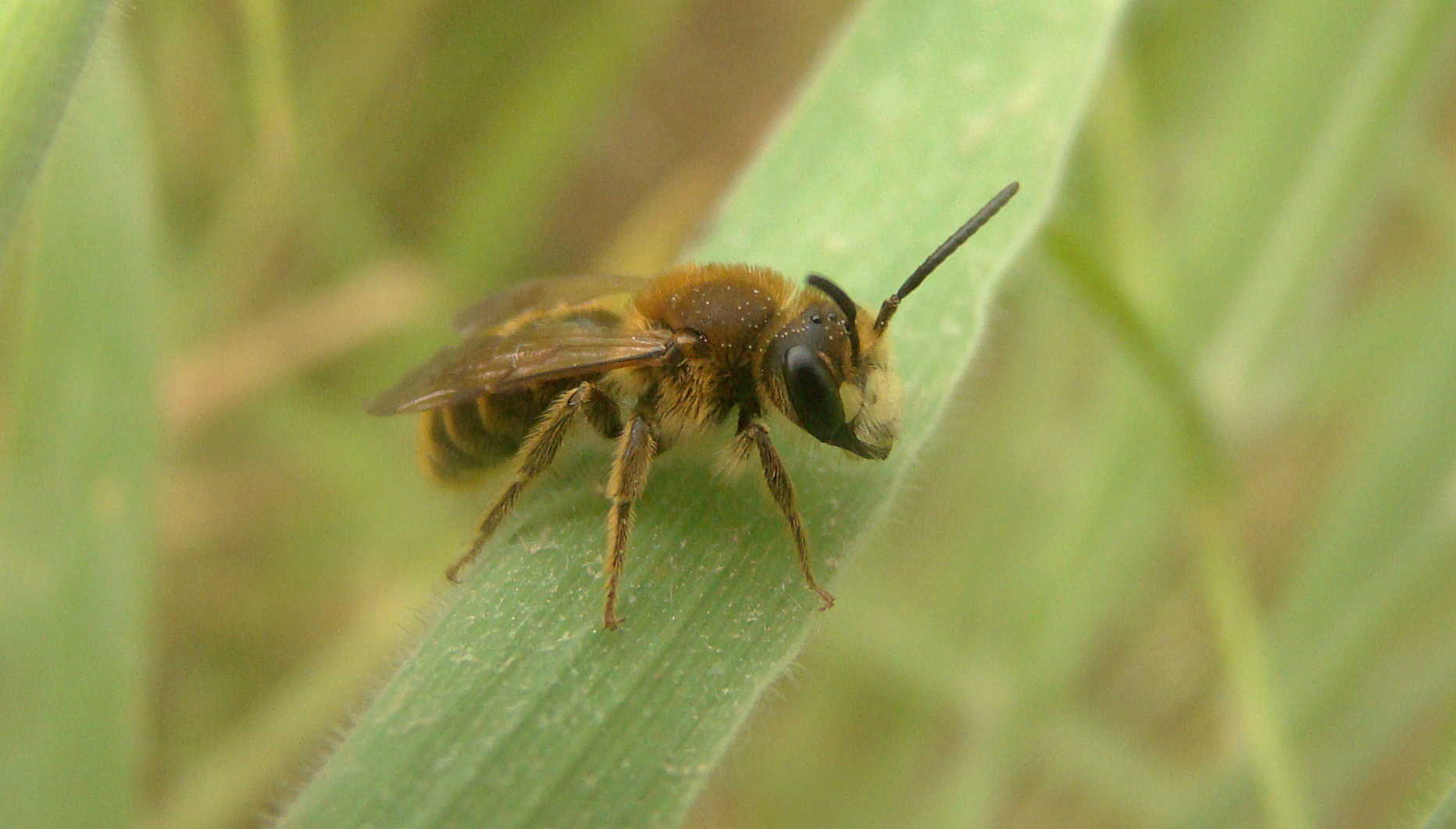
Here you can see one of the many solitary bee species present in this area.
I can't tell you the name of this species.
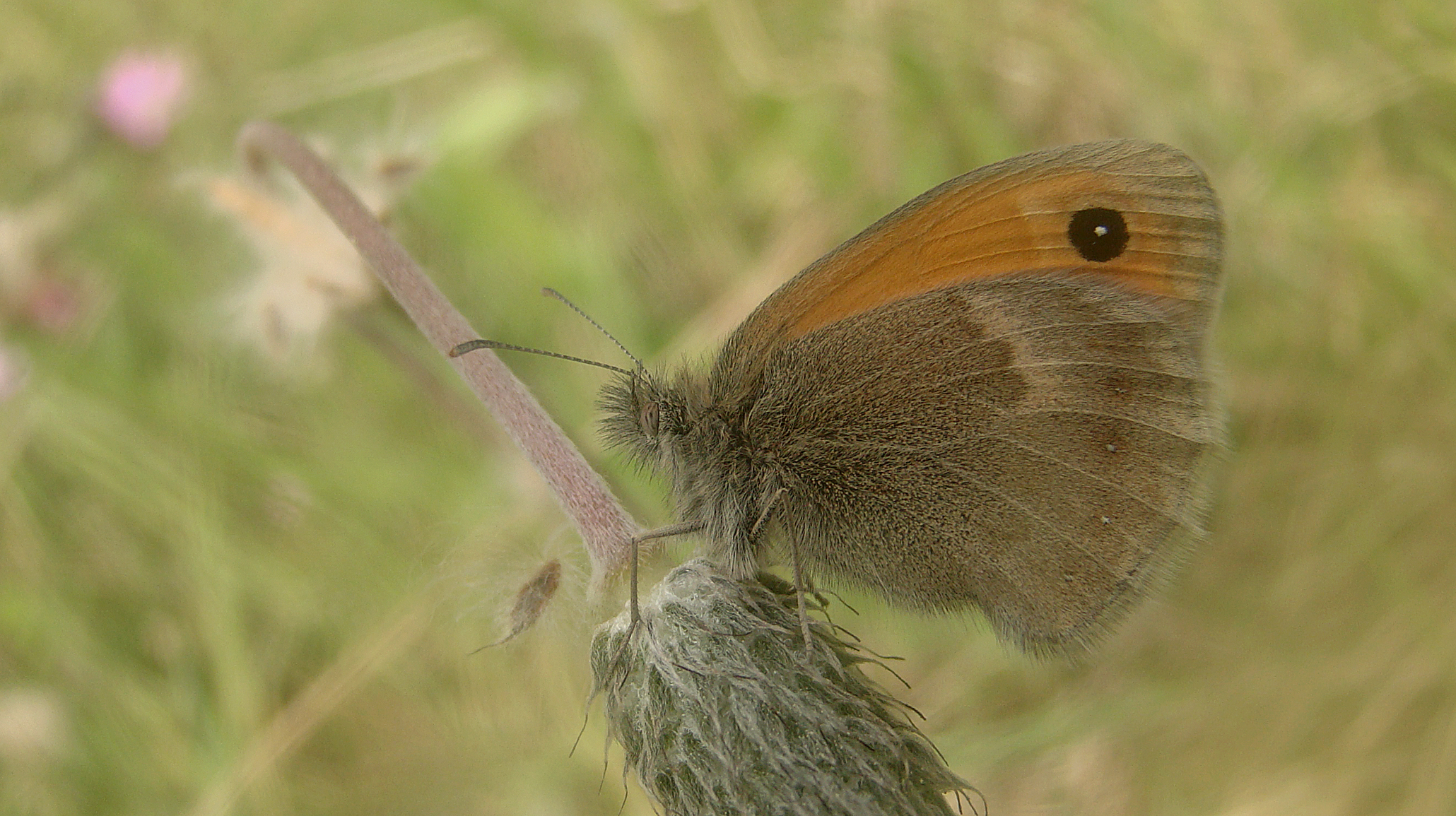
This small brown butterfly is the Coenonympha pamphilus.
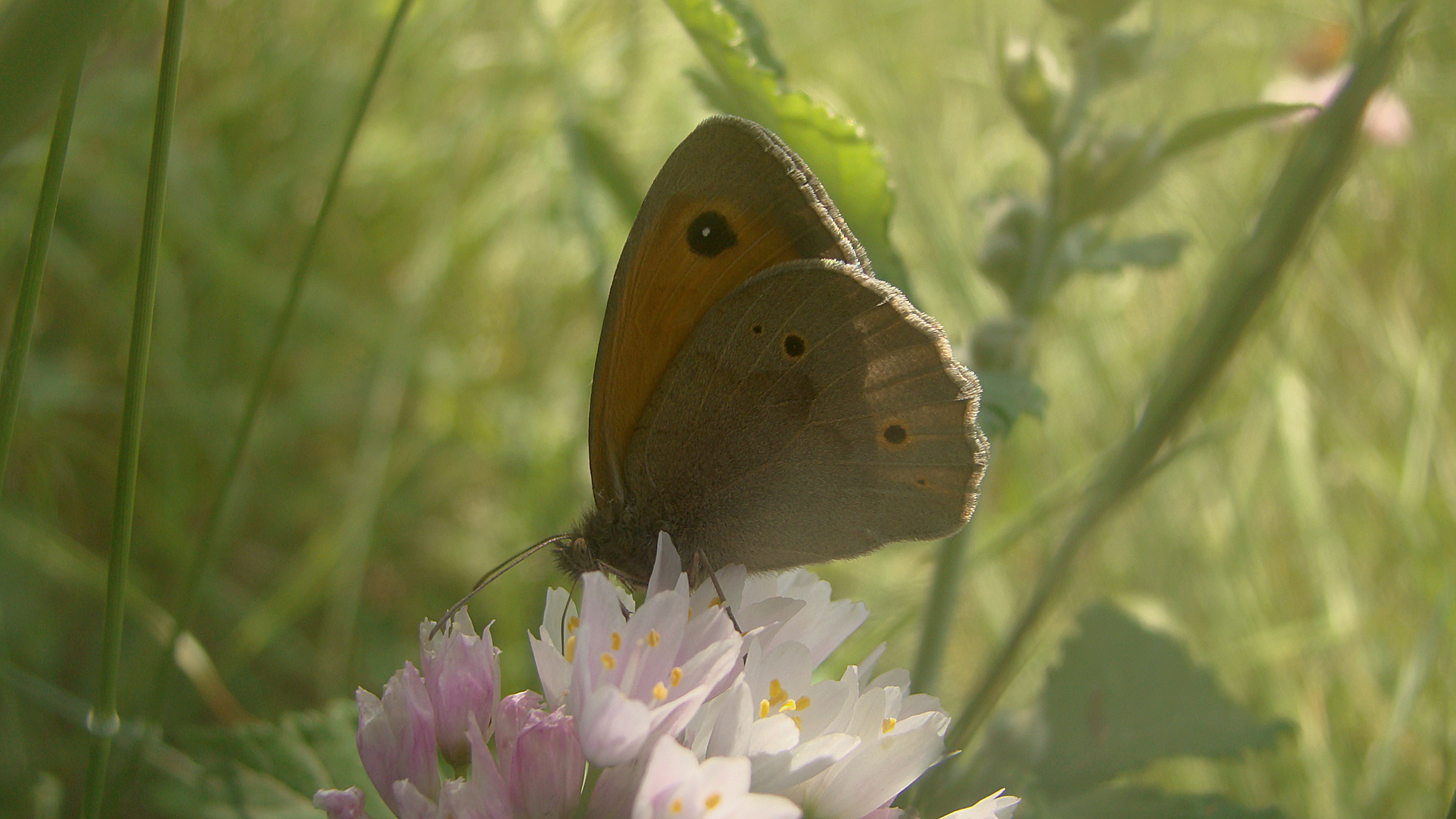
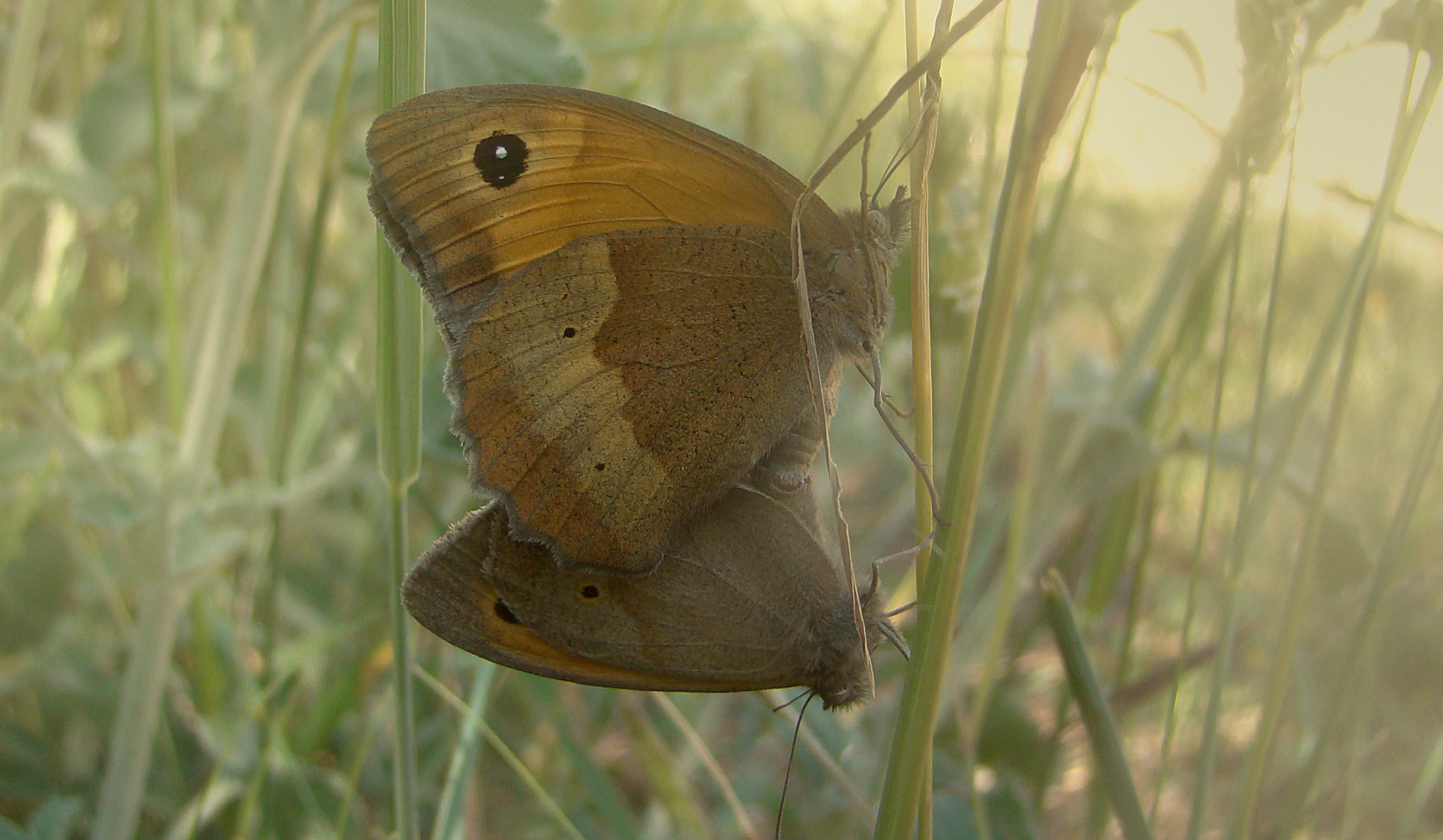
This similarly colored, but considerably larger butterfly is the Maniola jurtina.
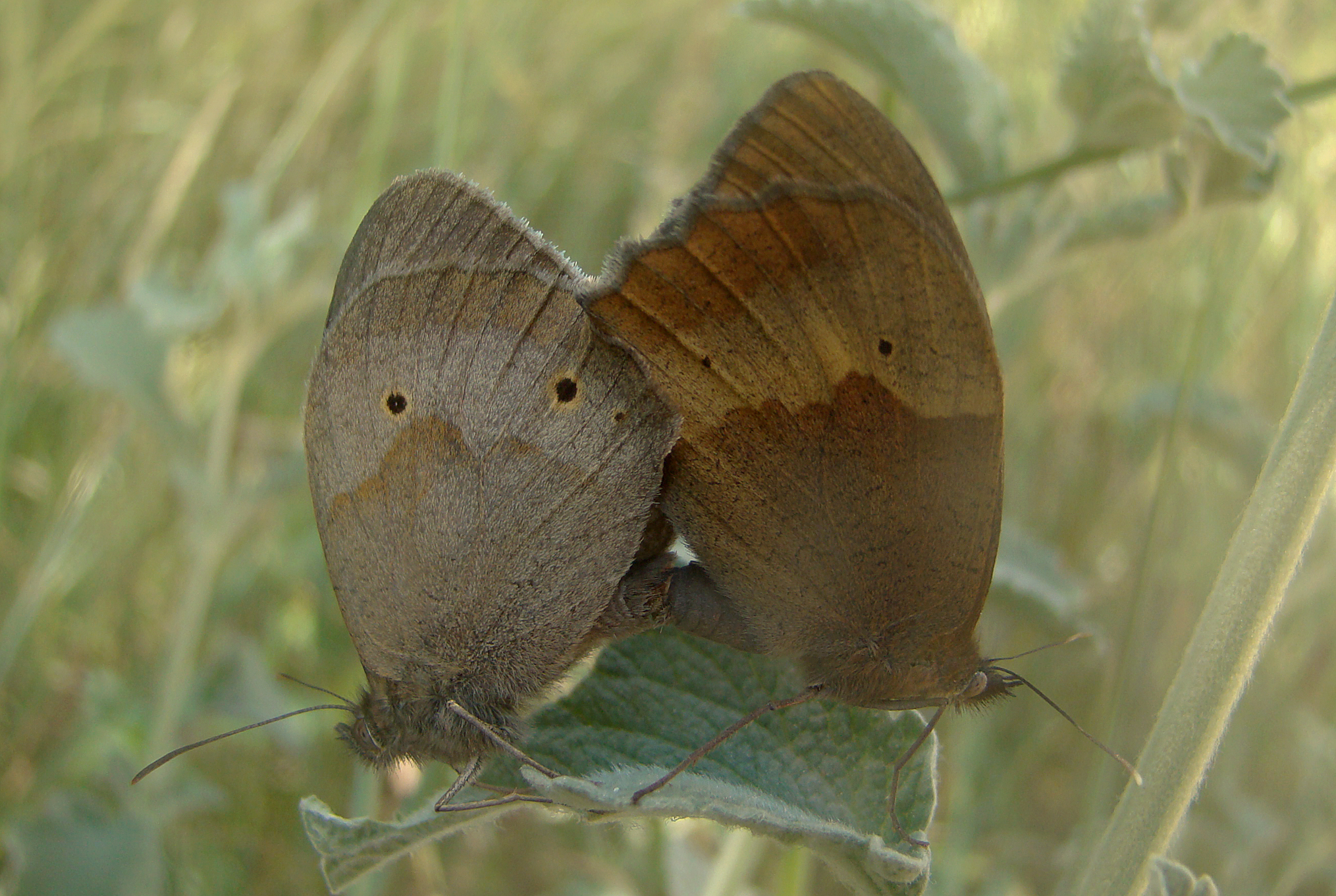
Here you can see this species mating.
When the eye - like decoration on the wings isn't visible, they are very well camouflaged as fallen, dried out foliage.
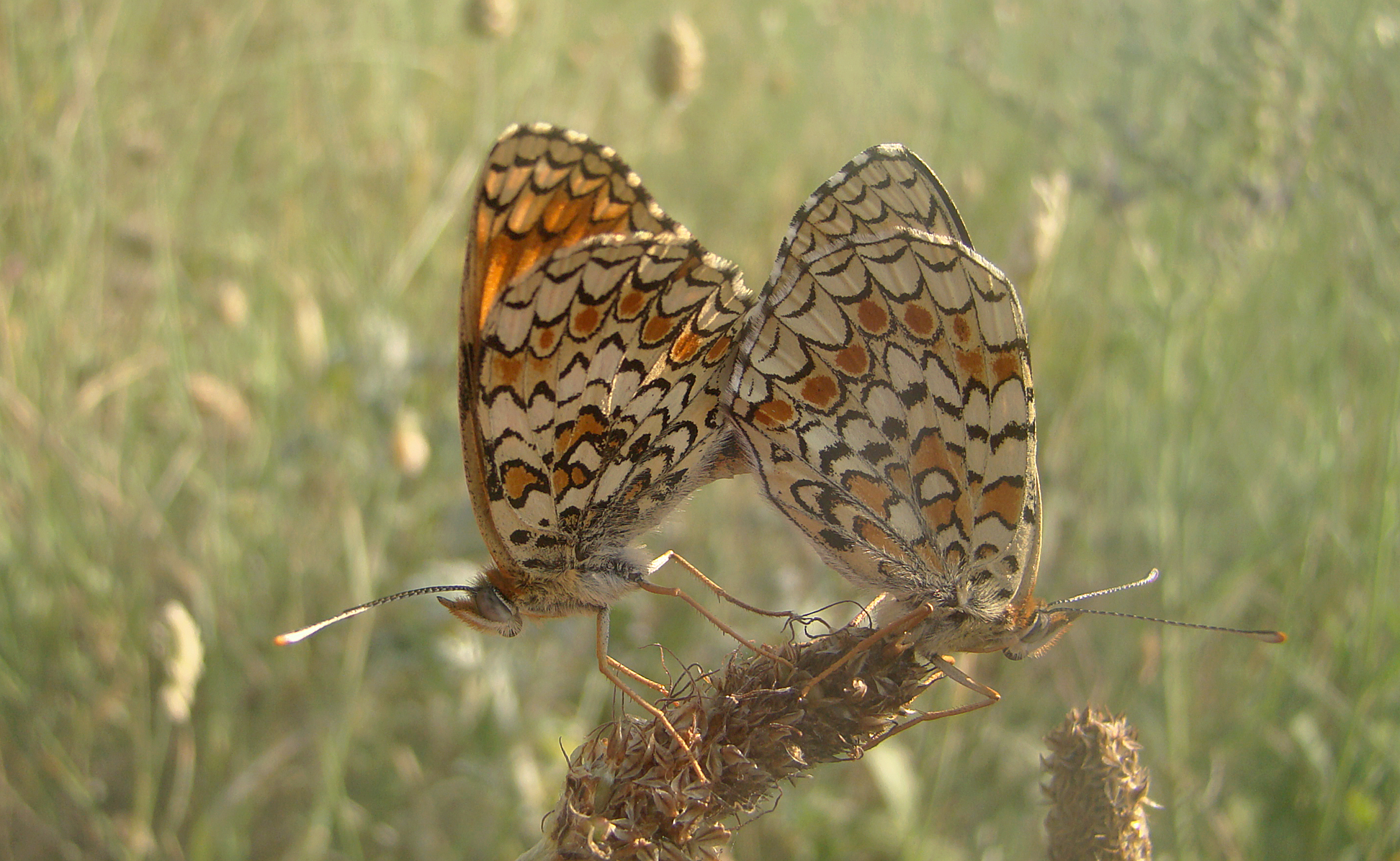
Here is another mating situation. These are the Melitaea phoebe butterflies.
On this photograph you can take a look at a bunch of small bug nymphs on the flower bud of some dandelion - like plant.
Here you can see a spider for a change. One of the many pumpkin spider species.
This is a very different type of spider.
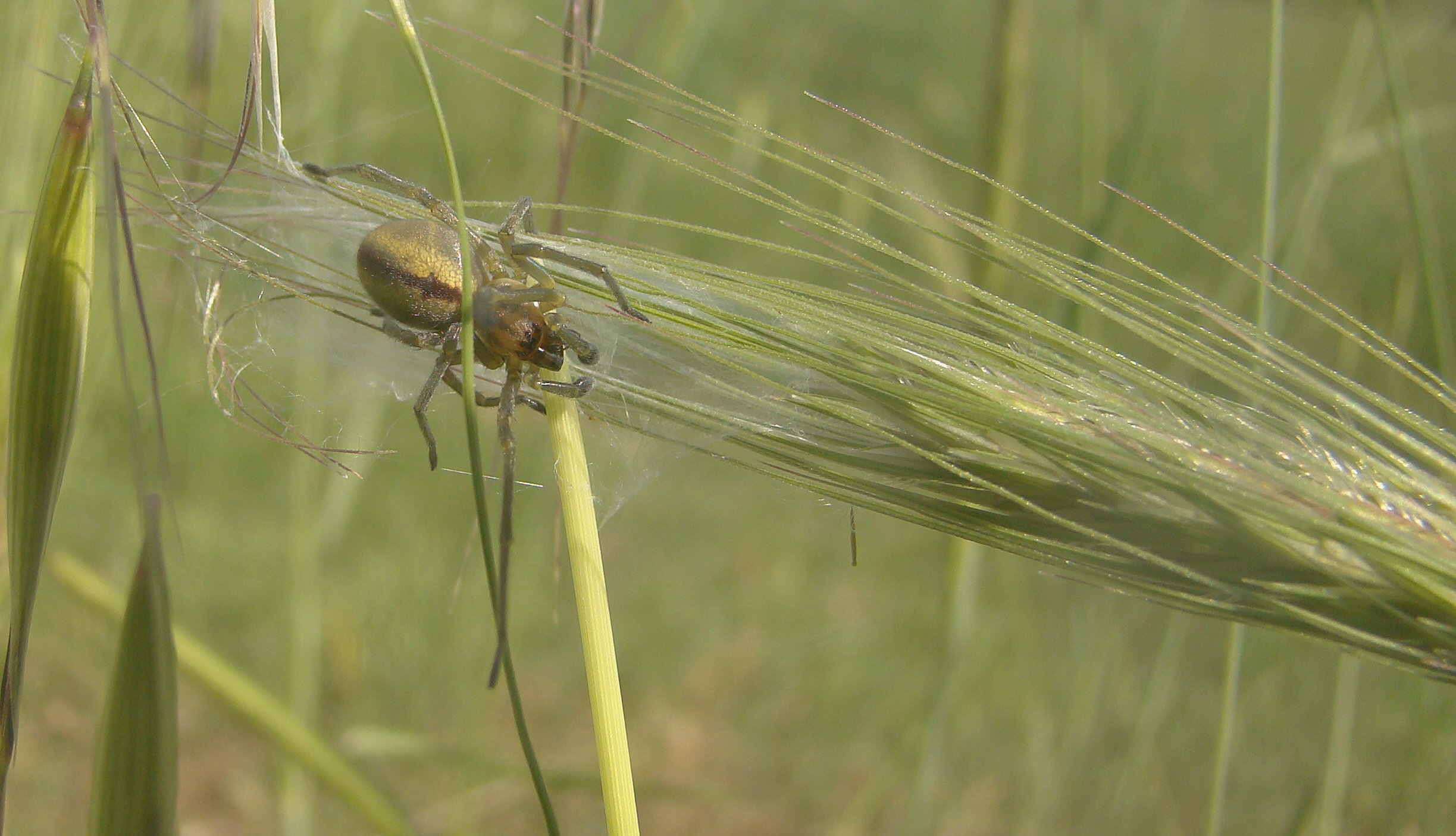
The sack spider. One of the species that construct silky sacks on the ears of grass.
Here is another fly, eaten by some spider, some time ago.
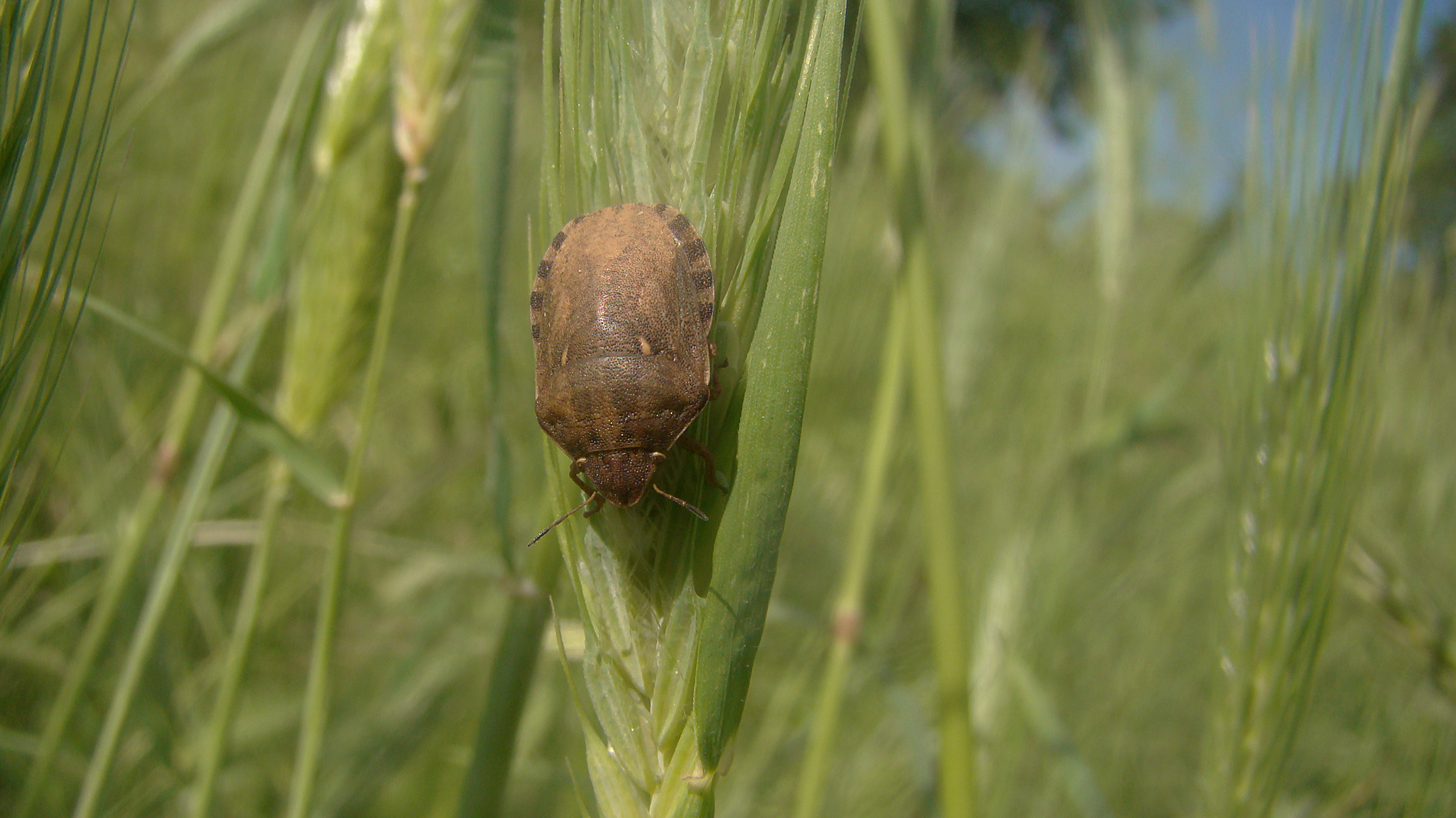
These bugs look like some kind of seeds.
Here is the very common Pieris rapae buterfly... feeding on the wild onion flowers.
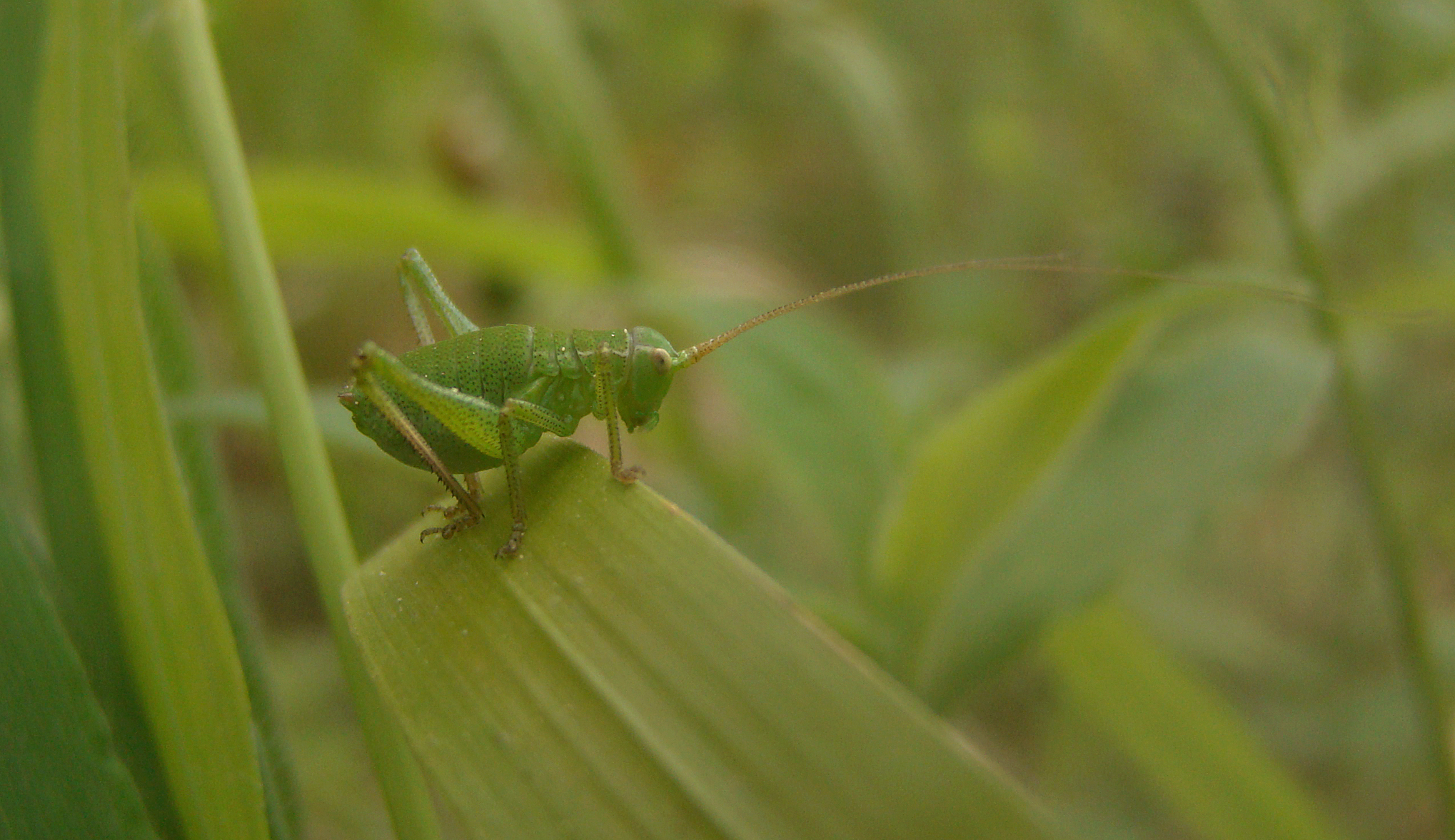
Many small cricket nymphs are jumping around ...
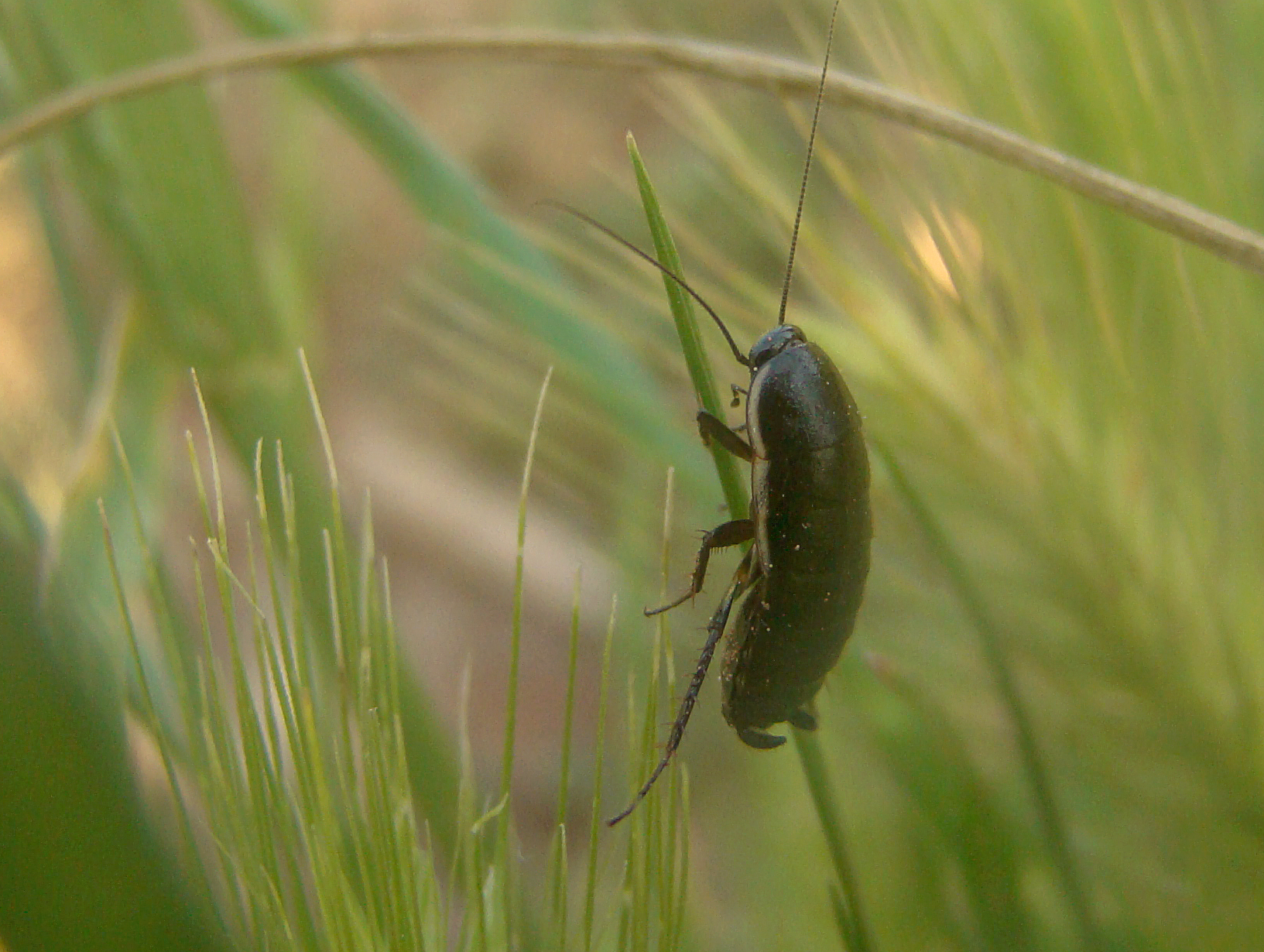
... and you can encounter some fast cockroaches too.
Usually I see these minuscule beetles inside the flowers, especially the wild roses ... but this one was resting on the leaf of grass.
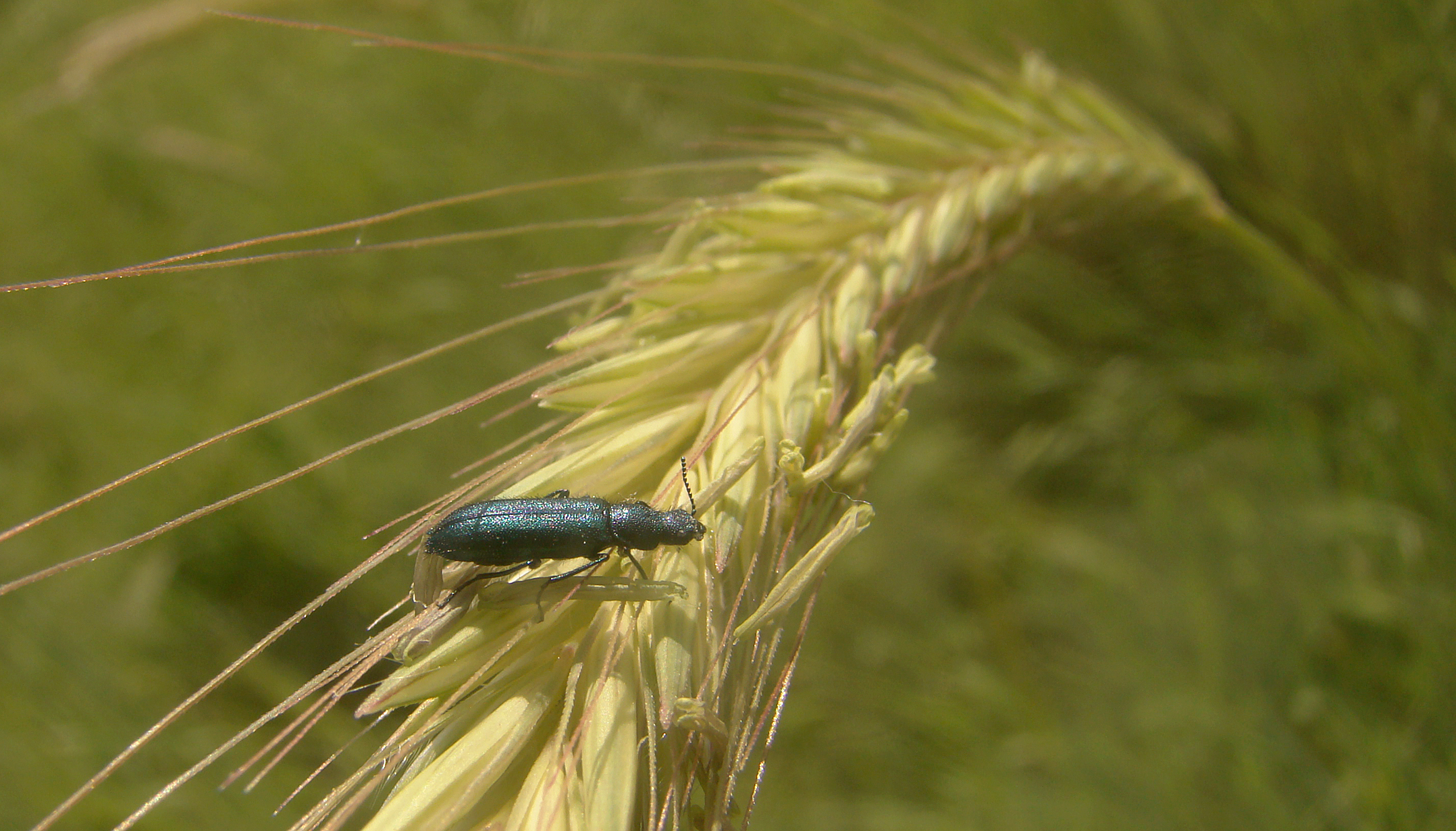
Here is another shiny beetle ...
... the Psilothrix viridicoerulea. They are also mainly pollen eaters.
Here is a mating shot with this species.
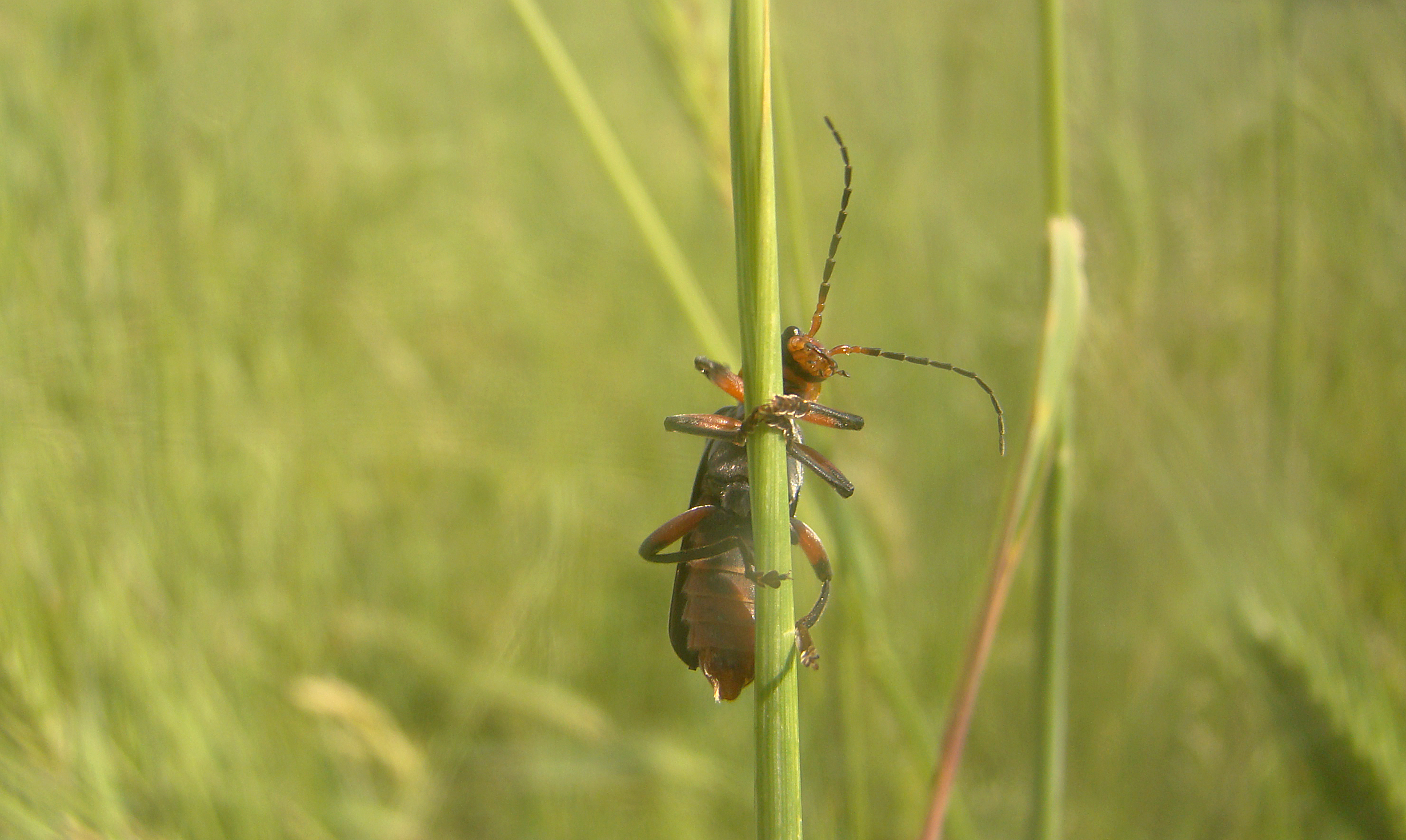
I don't know which species is this, but I often see these beetles feeding on pollen, just like the species before. They are considerably bigger than Psilothrix viridicoerulea.
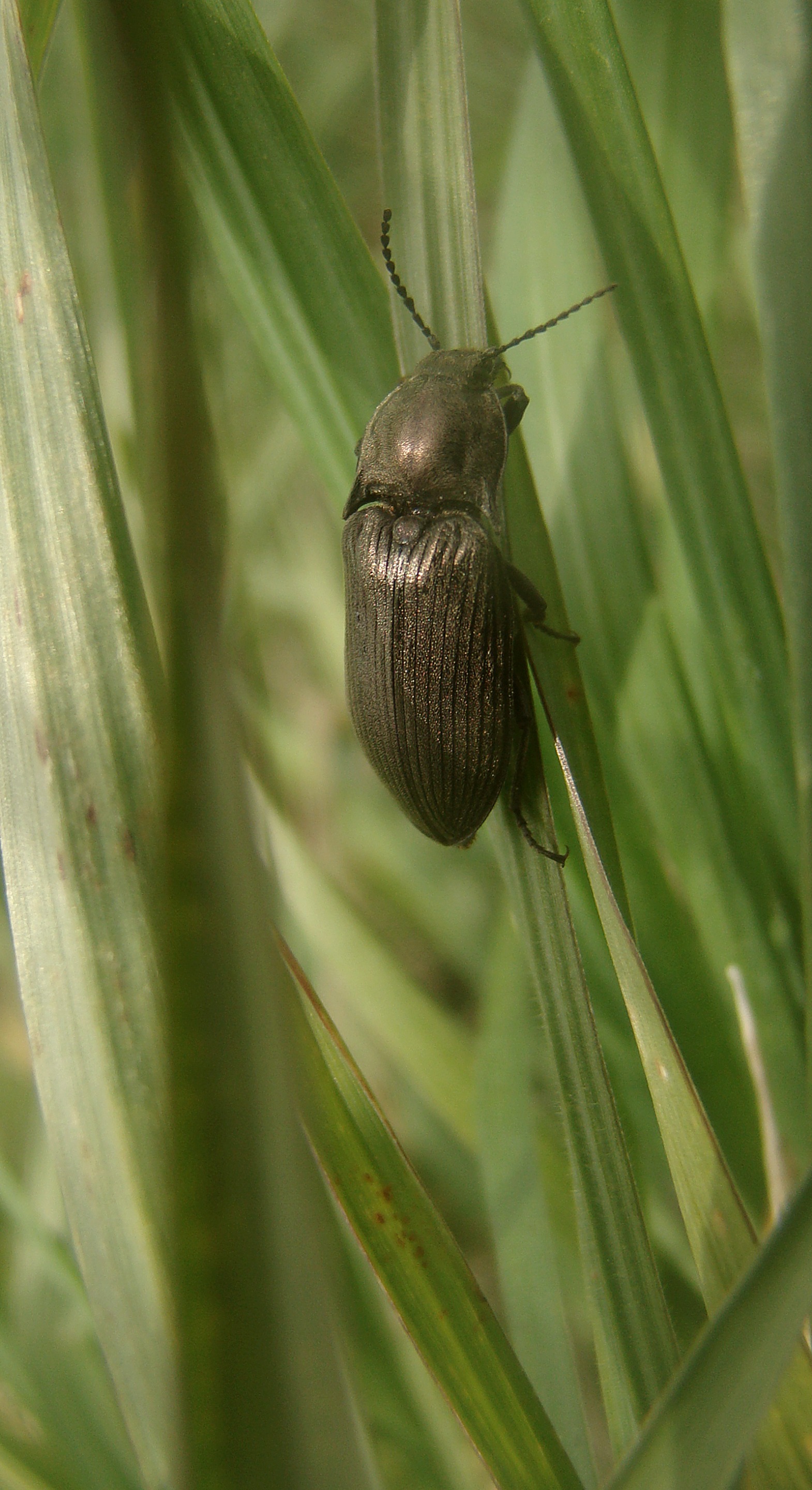
This is one of quite a few similar looking click - beetle species that can be seen in the area.
Here you can see a portrait of a long, furry caterpillar. I don't know the species.
This small leaf eater, the Gastrophysa polygoni ... is a close relative of the species from the post's opening photograph. And that's it ... this walk abruptly ends here ... as always in these posts on HIVE, all the photographs are my work.
Read next
From @borjan