Being a Czech comes with a huge responsibility. You’re supposed to roam the world seeking great beers once you leave your homeland (and within the Czech Republic, but that’s not much of a quest considering the hundreds of craft microbreweries ready to quench your thirst). I don't hate carrying that inherited burden; quite the contrary. And as a Czech, I am obviously quite outdoorish too, so I prefer my beer cold and well-deserved. A two-day hike in the Sierra de Guadarrama mountains is perfect for that purpose. Feel free to peek into my recent posts covering the hike (day 1 and day 2); there are some fine shots to please your eye. And then, finally, we came down from the mountains to Manzanares el Real, a pueblo of some 10,000 inhabitants at the foot of La Pedriza. Which happens to be the name of the brewery. Coincidence? I don’t think so!
Správný Čech by si neměl nechat ujít žádný zajímavý pivovar. Na toulkách Českem je to snadné, je jich tu jako hub po dešti. Ale celá řada zemí nám pomalu začíná šlapat na paty, a Španělsko není v tomhle směru žádnou výjimkou. Mladá generace Španělů má k pivu podstatně vřelejší vztah než jejich rodiče, potažmo prarodiče, a to ze zcela pragmatických důvodů. Je levnější než víno. Tedy to průmyslové samozřejmě, ale když je vám šestnáct a chystáte se na botellón, klidně sáhnete po nějakém tom supermarketovém ležáku. I u nás ostatně narazíte na lidi, jejichž rozhled nepřesahuje regály supermarketů. Každopádně jak ta současná generace odrůstá ze studentských let a postupem času přestává mít hluboko do kapsy, neváhá si připlatit za lepší pivo. A to je voda na mlýn řemeslných pivovarů. Když jsme sešli do podhůří La Pedrizy, do zhruba desetitisícové vesničky (pueblo) Manzanares el Real, bylo jasné, kam se půjdeme najíst, a hlavně napít. La Pedriza je mimochodem také jméno místního pivovaru. Náhoda? Nemyslím si!

You may wonder why there’s a church spire and not the brewery itself in the first picture. Well, look closer. Can you see the stork nests up there? They are literally everywhere around. I always thought storks were demanding when building their nests, craving quiet, secluded places. However, stork nests are everywhere around the Santillana reservoir, even on the traffic sign pillars over the highway. Yes, just a few meters above the busy road. No wonder a stork made it to the brewery logo. I tried to take better shots of the church tower, preferably with the birds, but the sun was against…
A proč je na fotce kostelní věž. Není to žádná úlitba našemu budoucímu premiérovi, i když jsem fotil ta čapí hnízda nahoře. Čápů je kolem přehrady Santillana nepočítaně, a někteří dokonce hnízdí přímo nad dálnicí do Madridu. Já si vždycky myslel, že jsou dost plaší, a dvakrát si rozmyslí, než se někde uhnízdí. Ale tady asi ne. A tak není divu, že se čáp dostal i na logo pivovaru. Chtěl jsem udělat ještě pár fotek, ale sluníčko bylo proti.
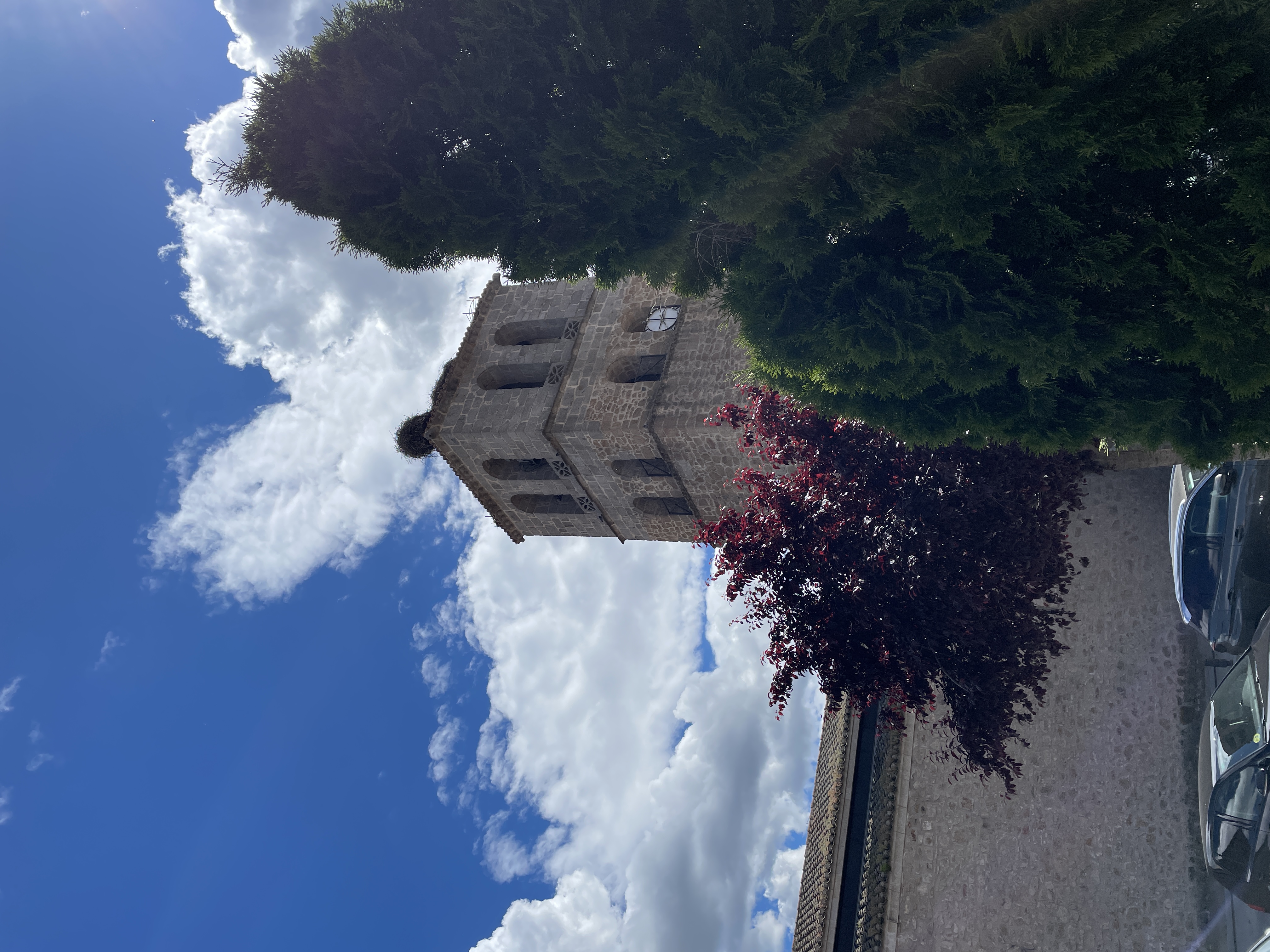
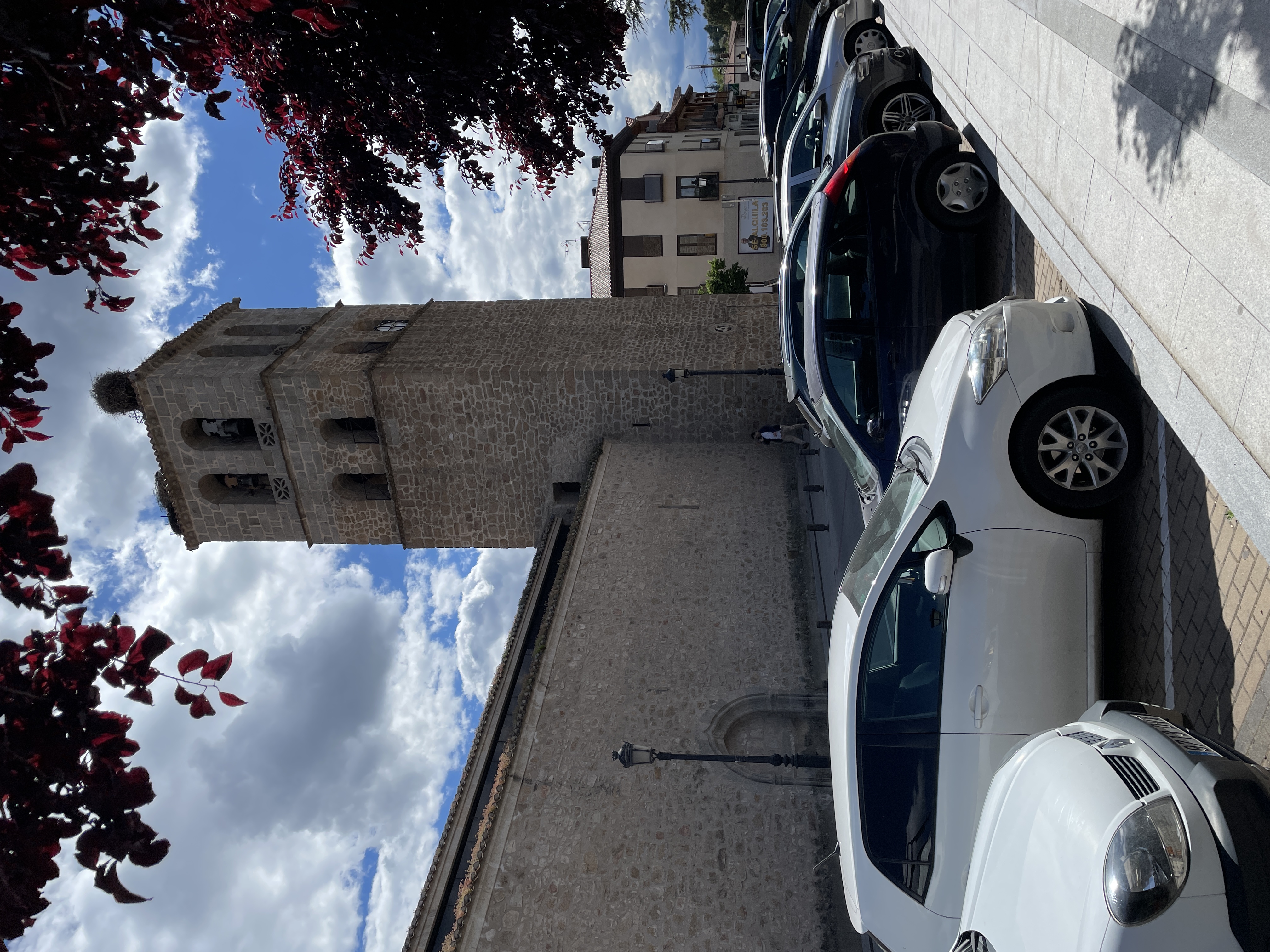
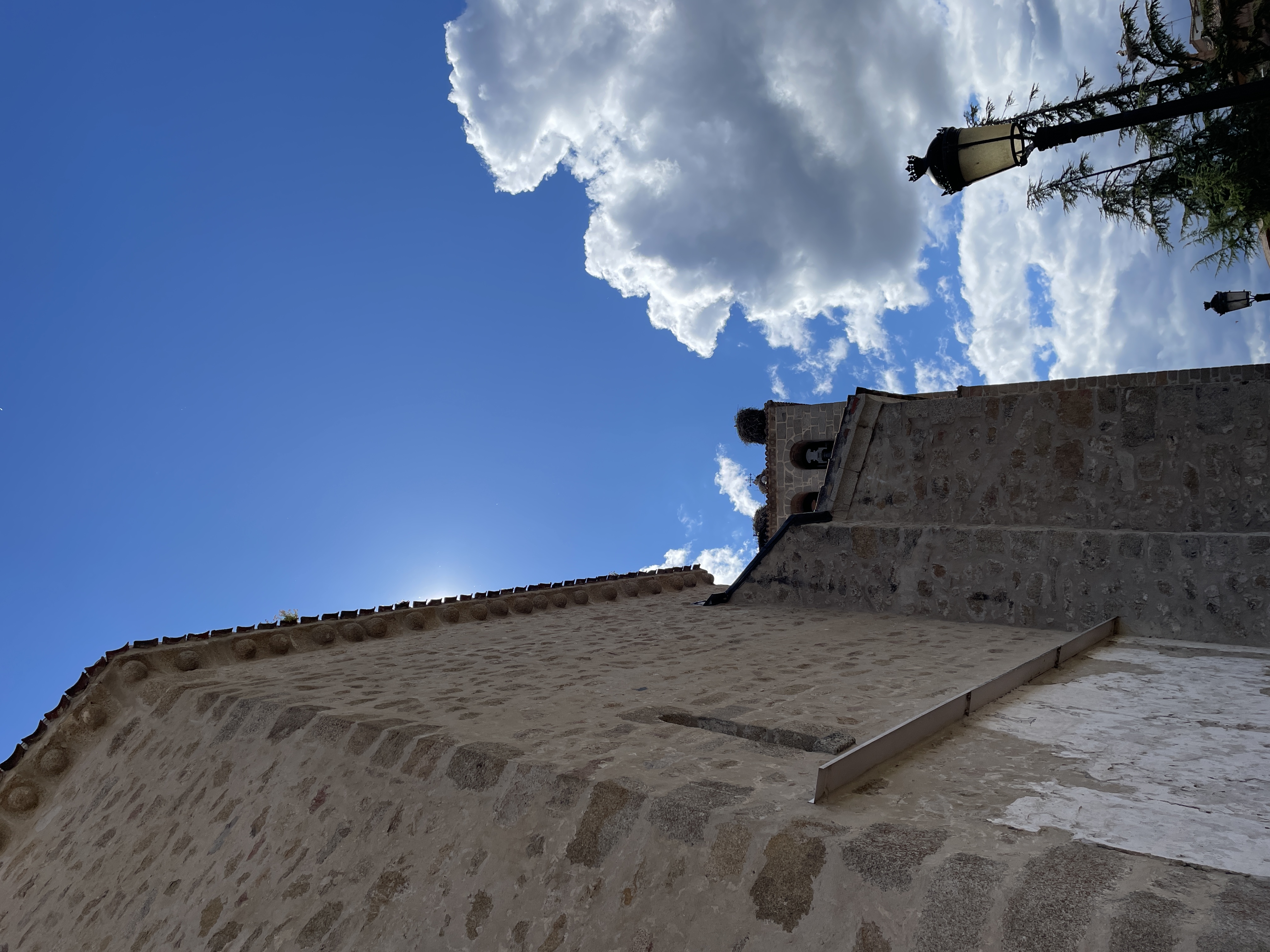
Anyway, the brewery is just around the corner (well, everything is; Manzanares el Real is a pueblo). We arrived just in time for the last orders; the place was closing for a late siesta and to get ready for the local feast starting later that evening. Fortunately, we could have burgers too – with local meat and goat cheese, obviously – and even sample two beers, taking the last one for my review to go – it was not on tap anyway. We also took some bottles for a party we attended the day after.
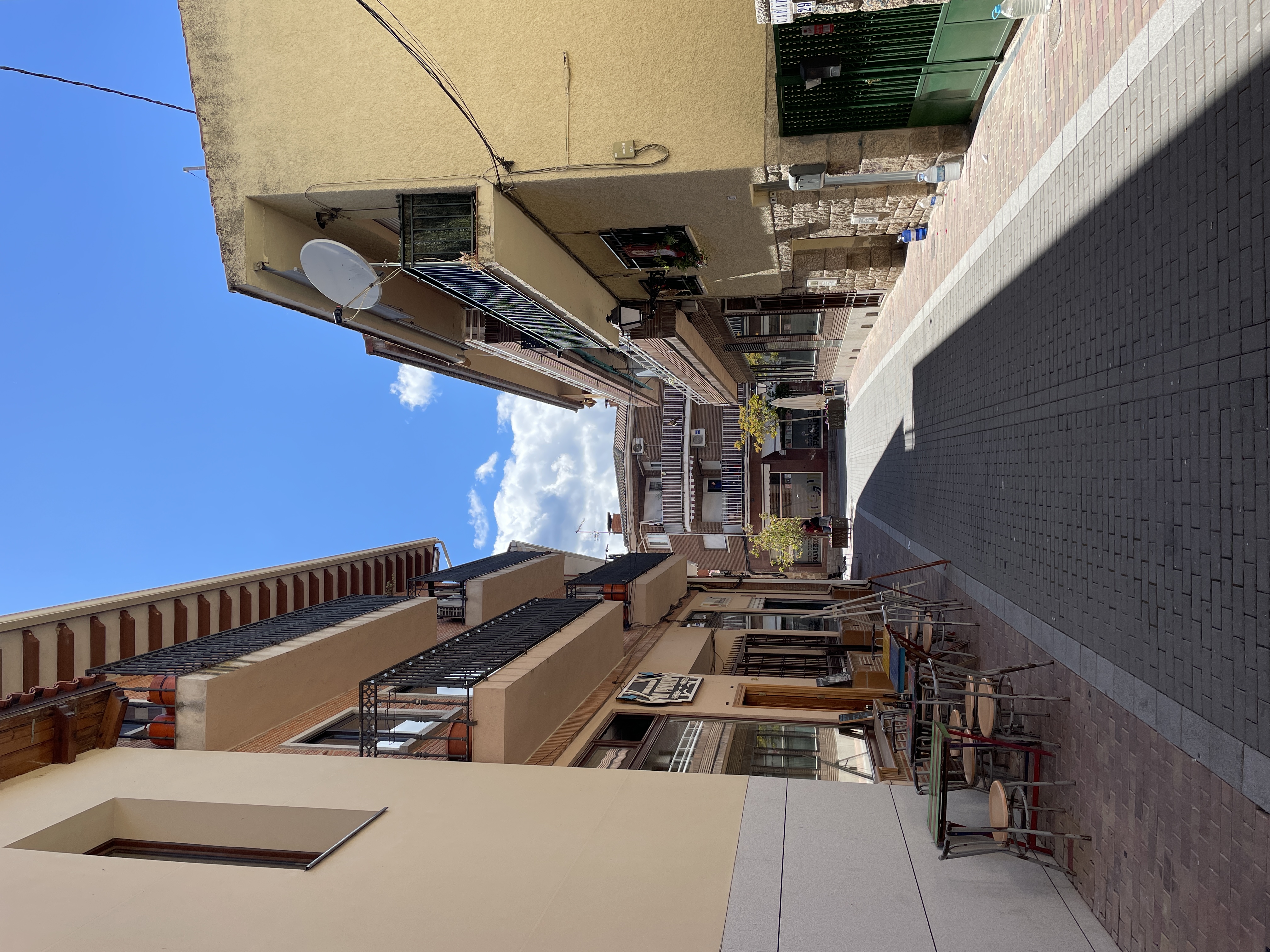
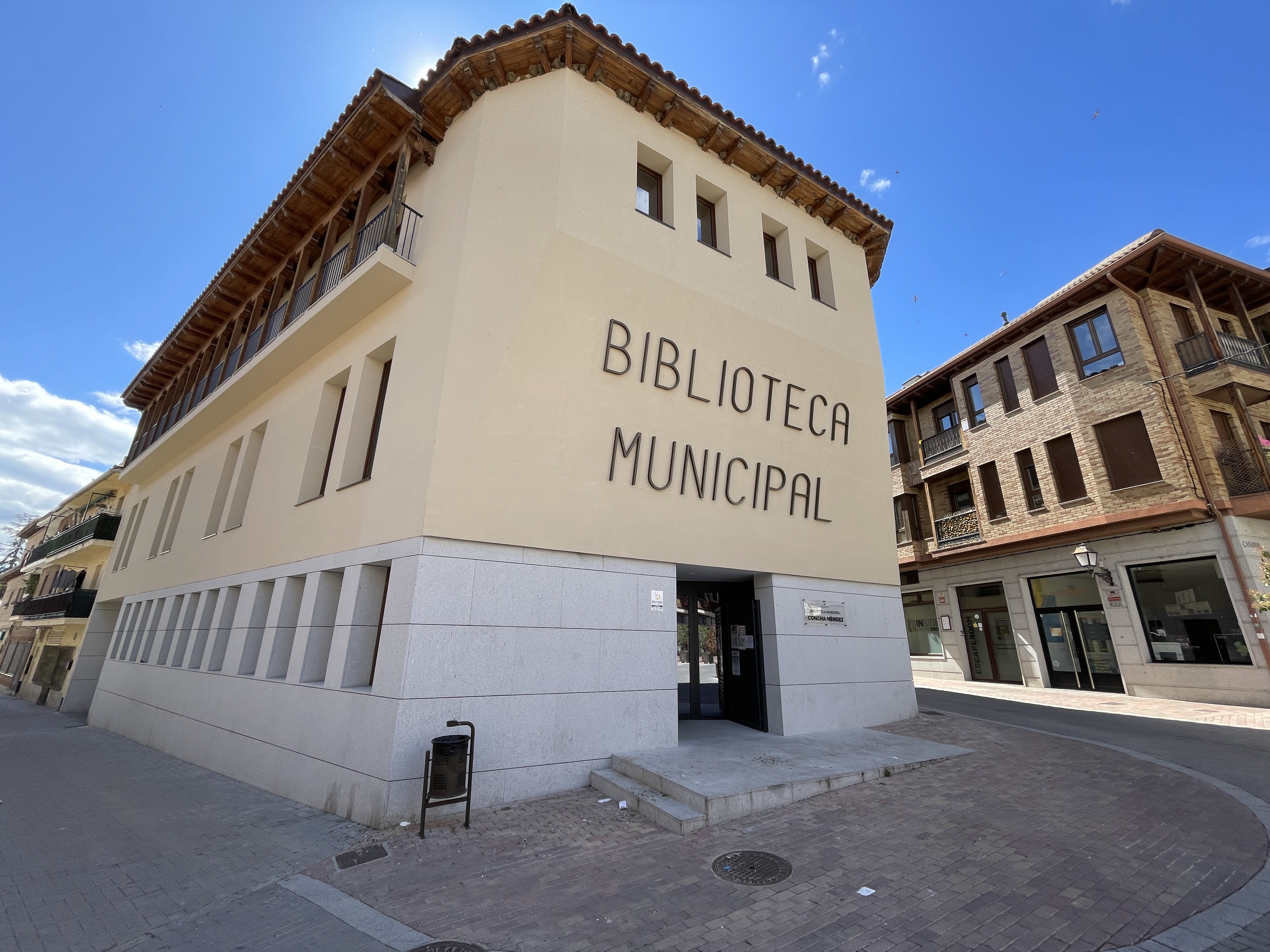
Pivovar je od kostela za rohem (ono je tu za rohem všechno, jsme v pueblu). Jestli máte pocit, že je pro vás něco španělská vesnice, tak se koukněte ještě na fotky na konci článku. Takhle nějak totiž španělské vesnice vypadají ;)
My jsme dorazili právě včas, zrovna zavírali před hodně pozdní siestou, aby se podnik mohl připravit na večerní fiesta del pueblo. Dostali jsme i skvělé burgery z místního hovězího s lokálním kozím sýrem. Ve Španělsku se celkově vaří z místních surovin, a ty bývají opravdu kvalitní. A samozřejmě jsme ochutnali dvě točená piva. To třetí bylo jen v lahvi.
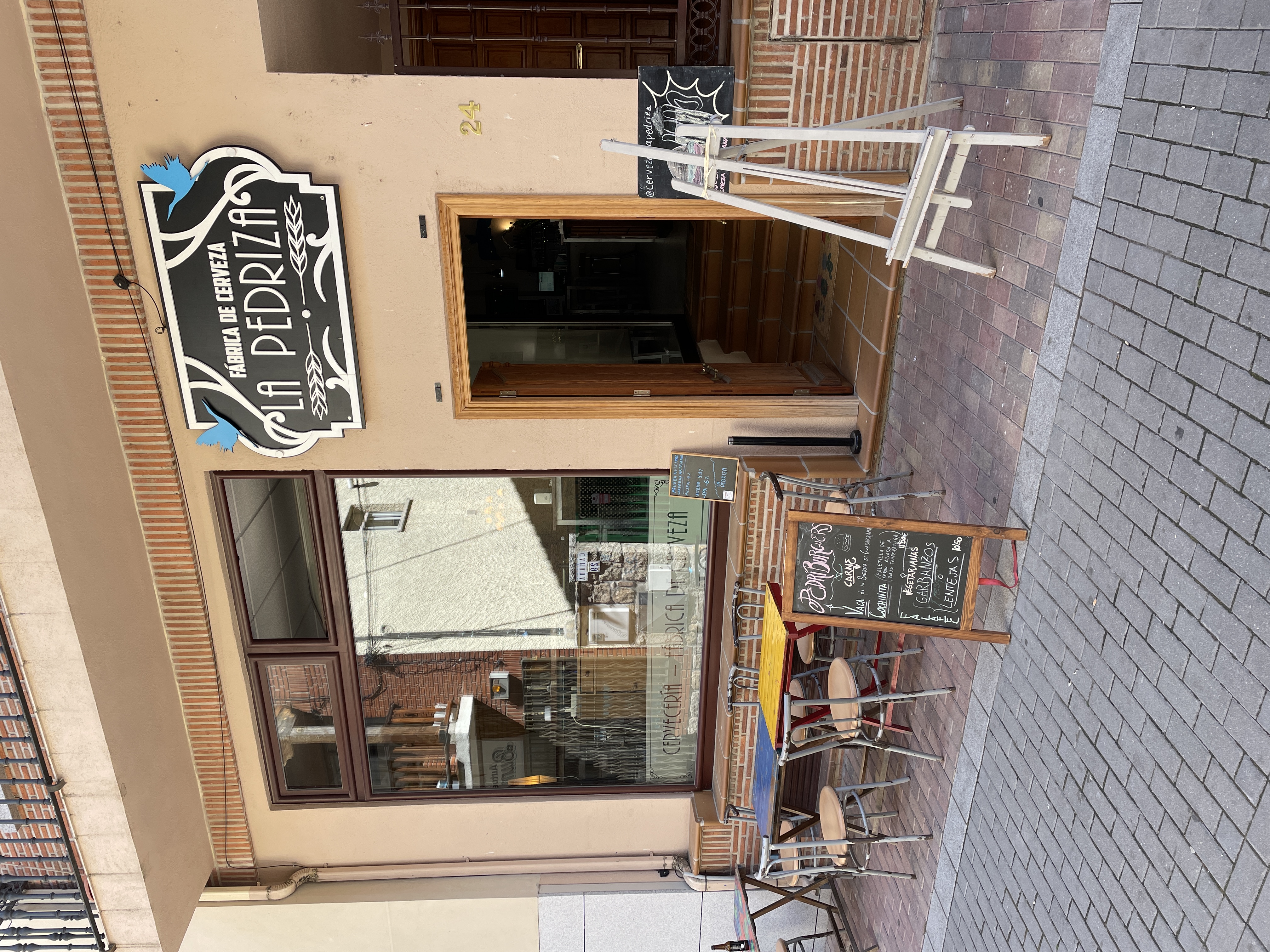
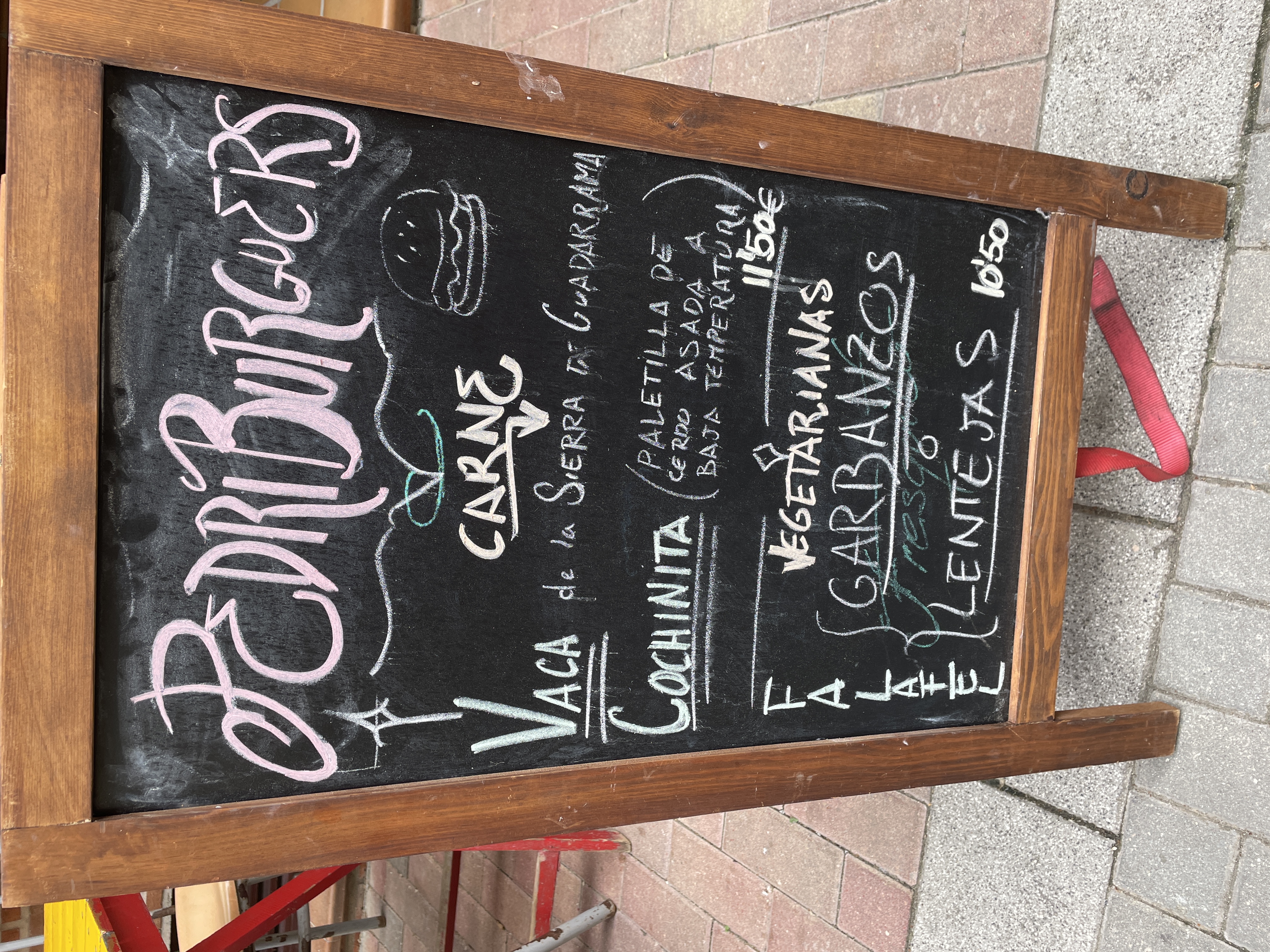
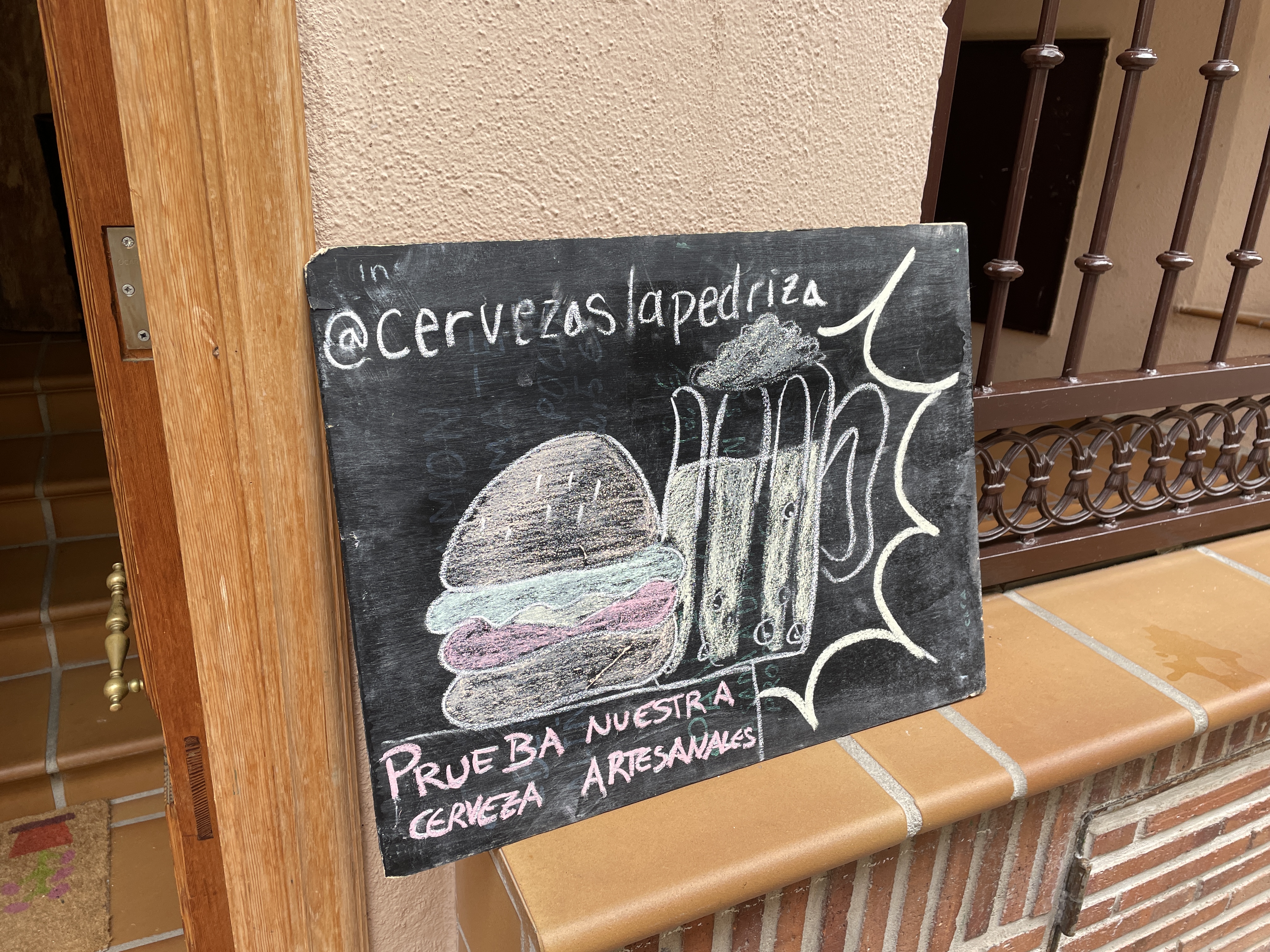
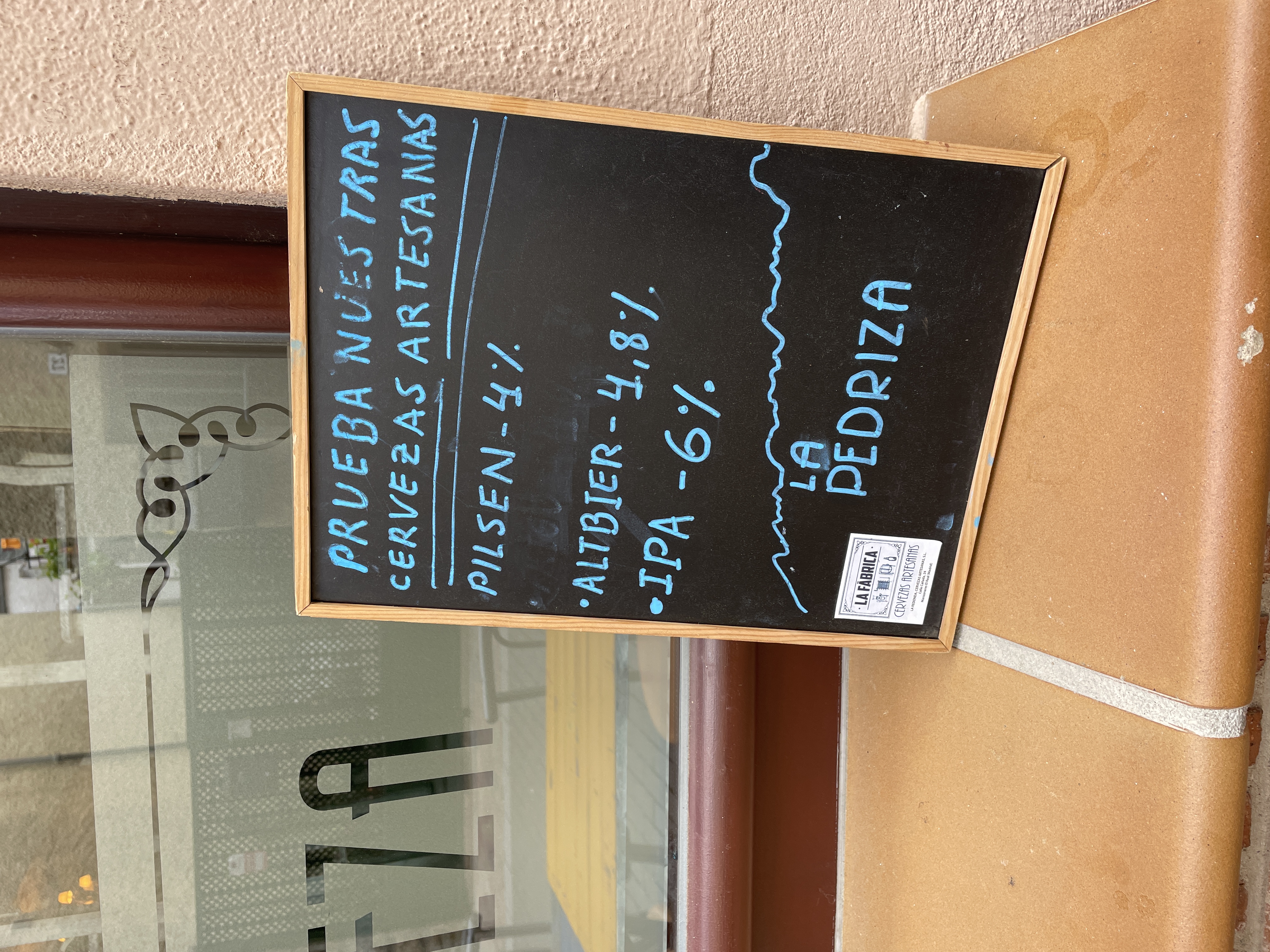
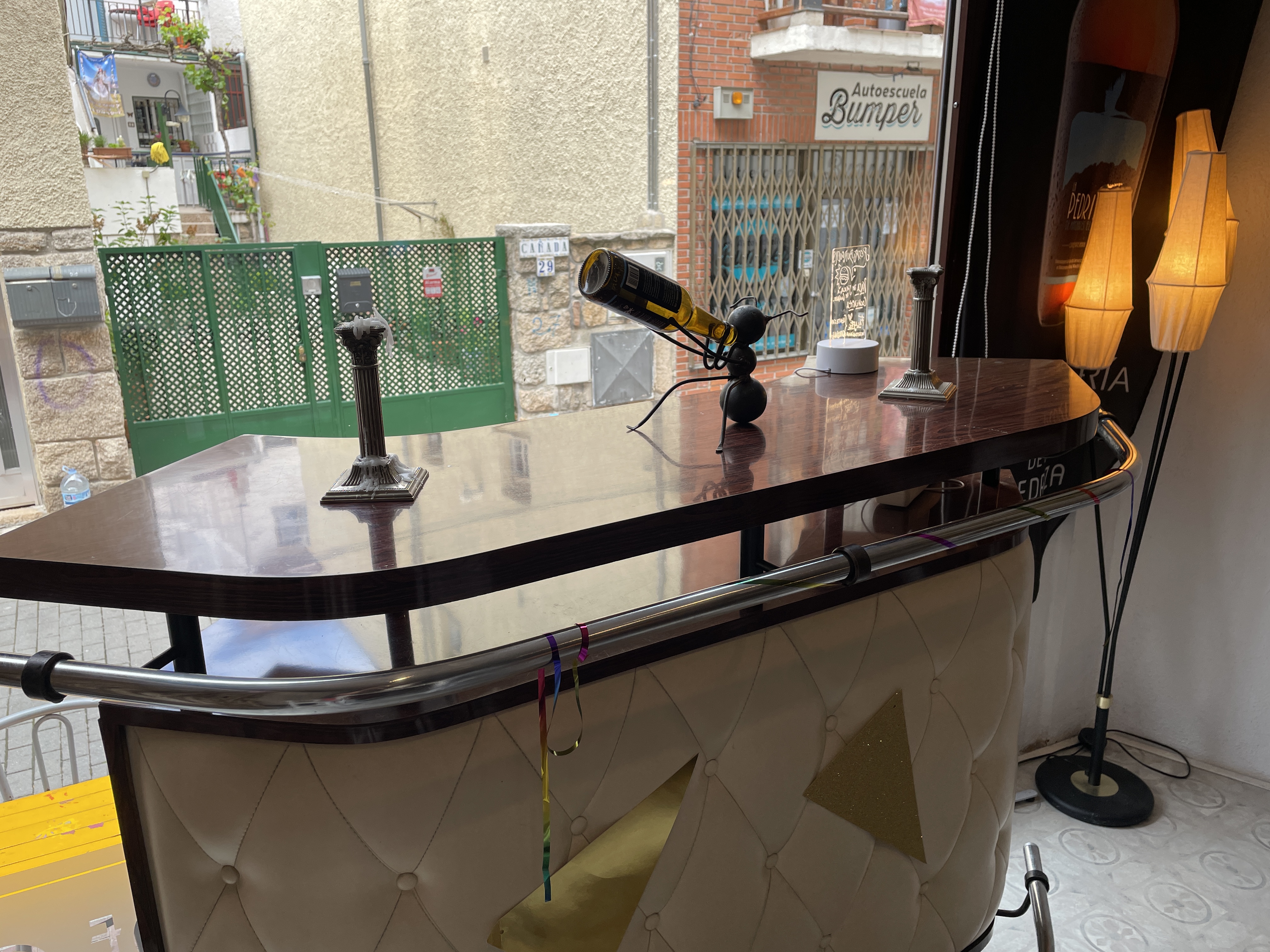
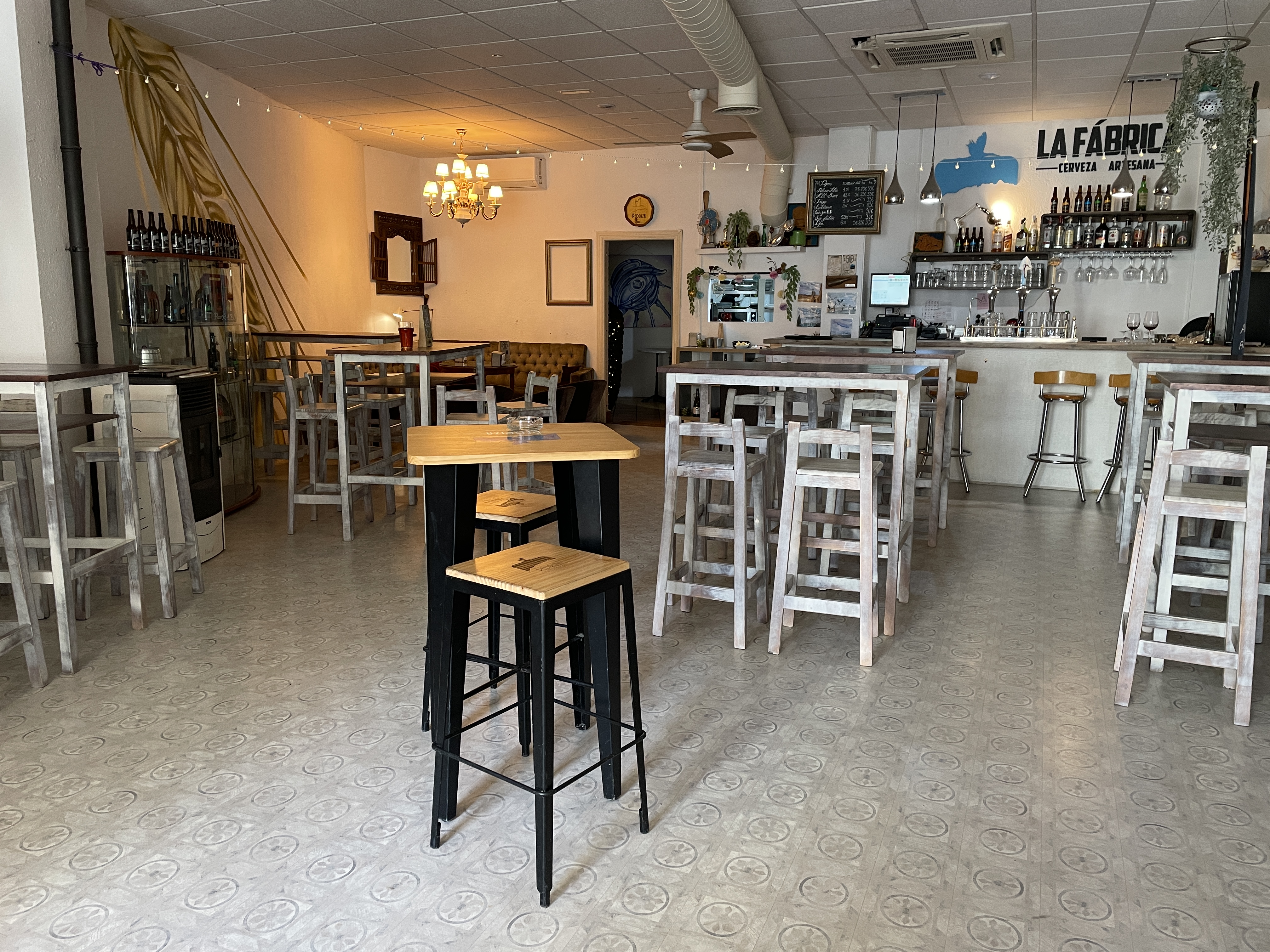
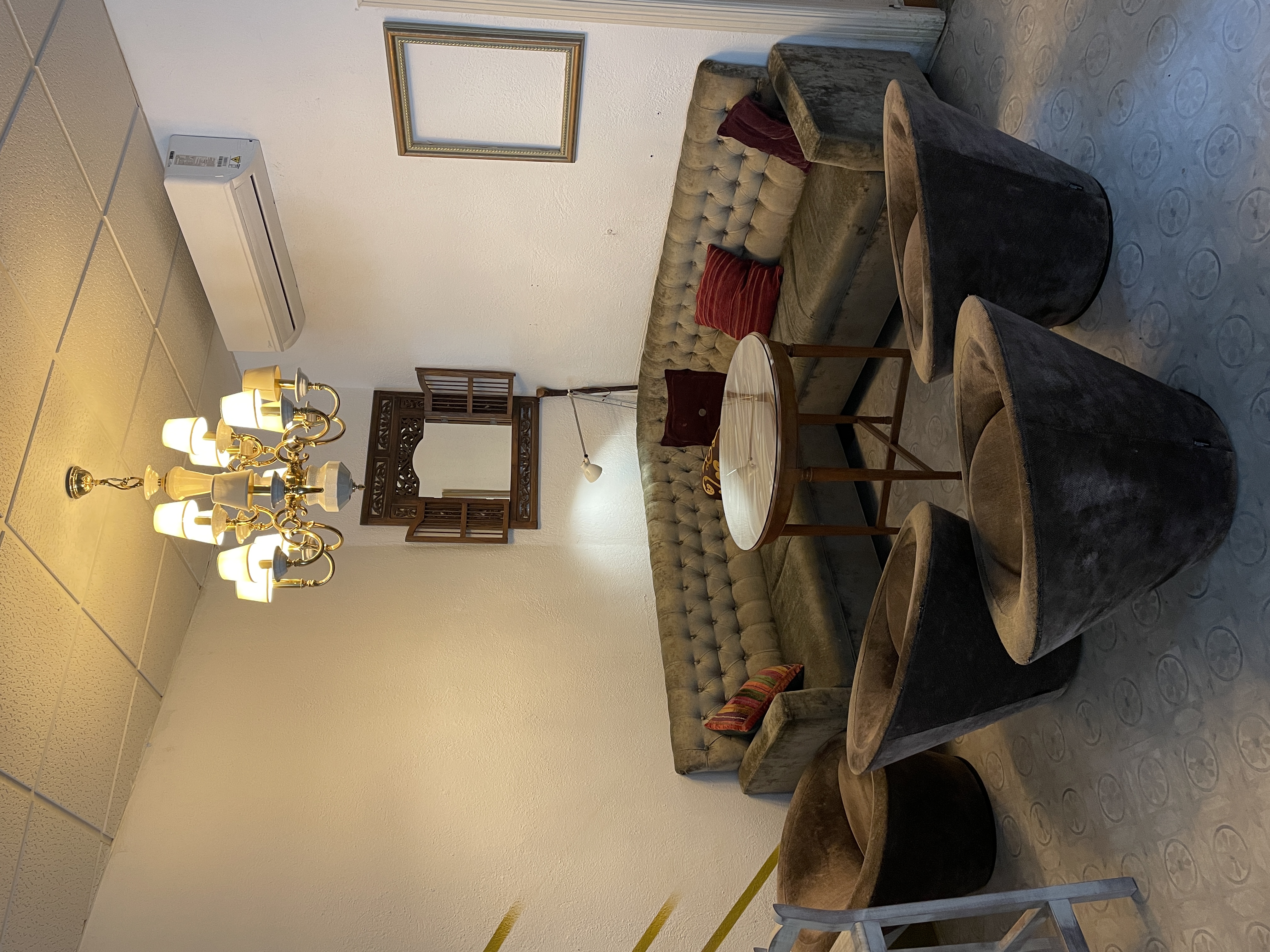
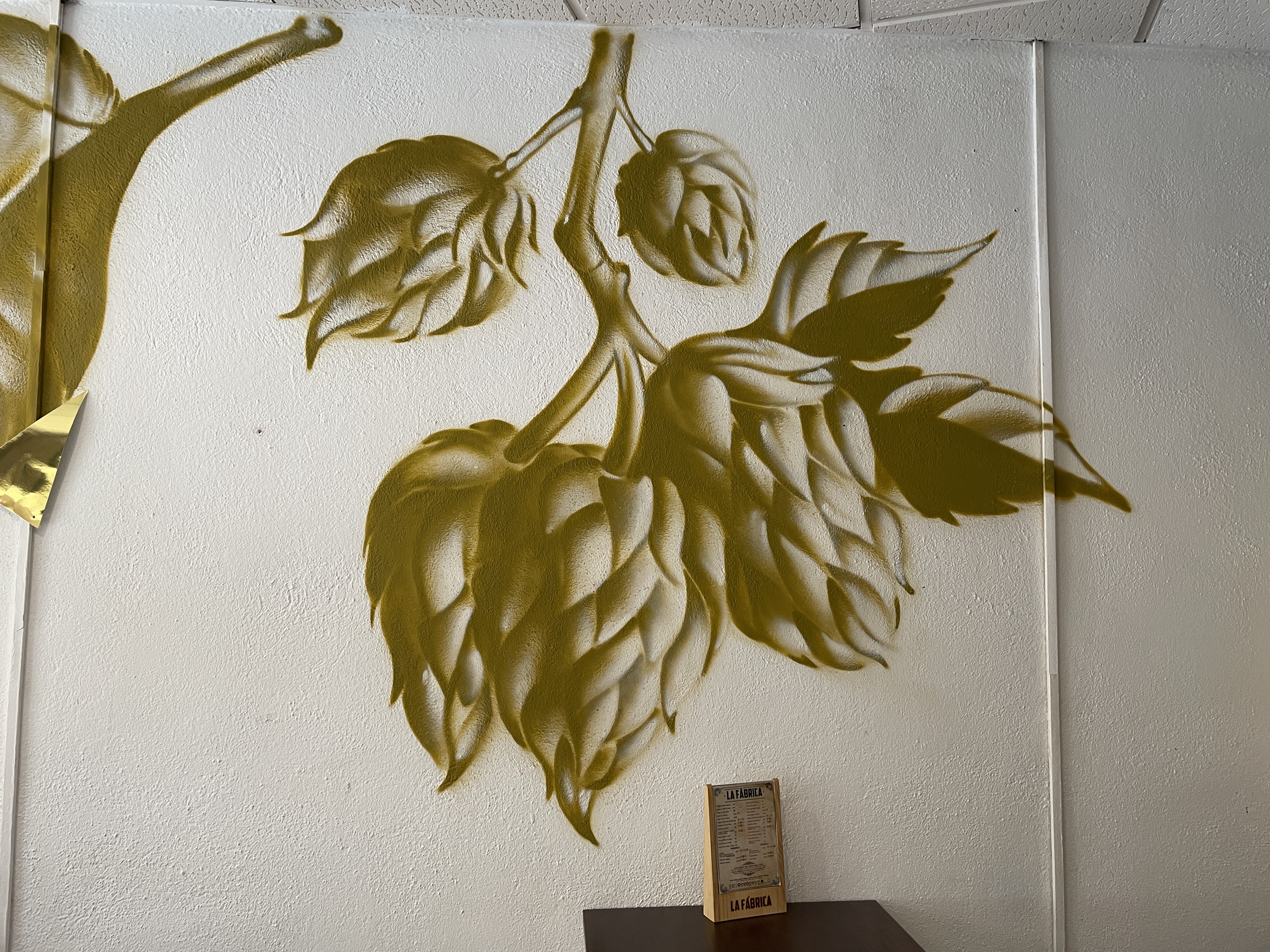
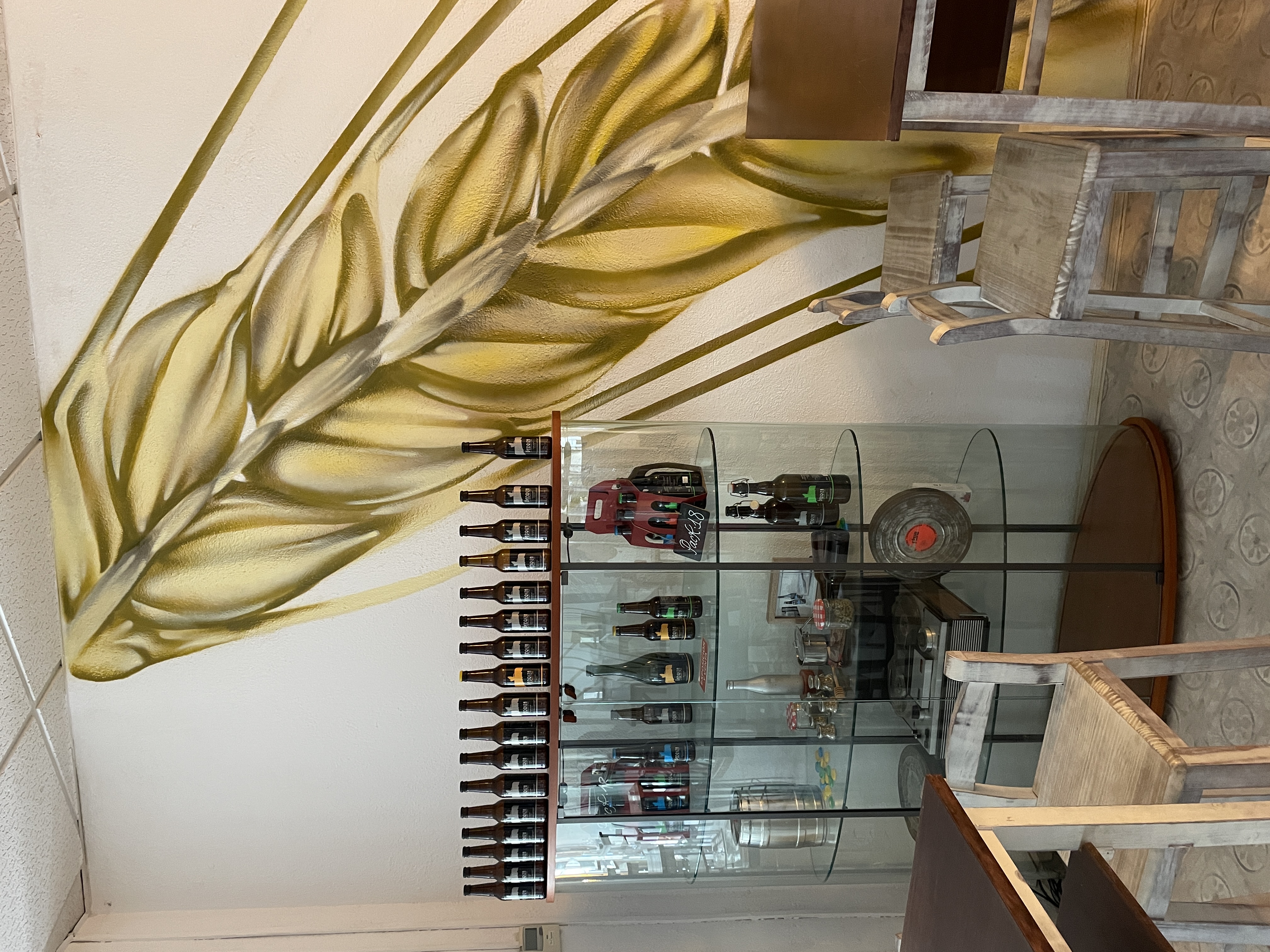
The place lacks the typical “certain level of stickiness” that distinguishes good Spanish bars from bad ones – despite my girlfriend’s efforts, I am still not an expert in that field. It should be sticky enough, yet not too much; perhaps my Spanish readers could add a better definition. One could even call the place stylish. No wonder, it’s brand new, having opened just last summer. The brewing takes place in the vast souterrain, so you can’t see much unless you attend one of the sampling courses.
Pivovar je zbrusu nový, otevřený loni v létě. Na rozdíl od mnoha českých minipivovarů, které vás nechají tak trochu nakouknout pod pokličku, se tady vaří v suterénu. A tam se dostanete jen na řízených ochutnávkách.
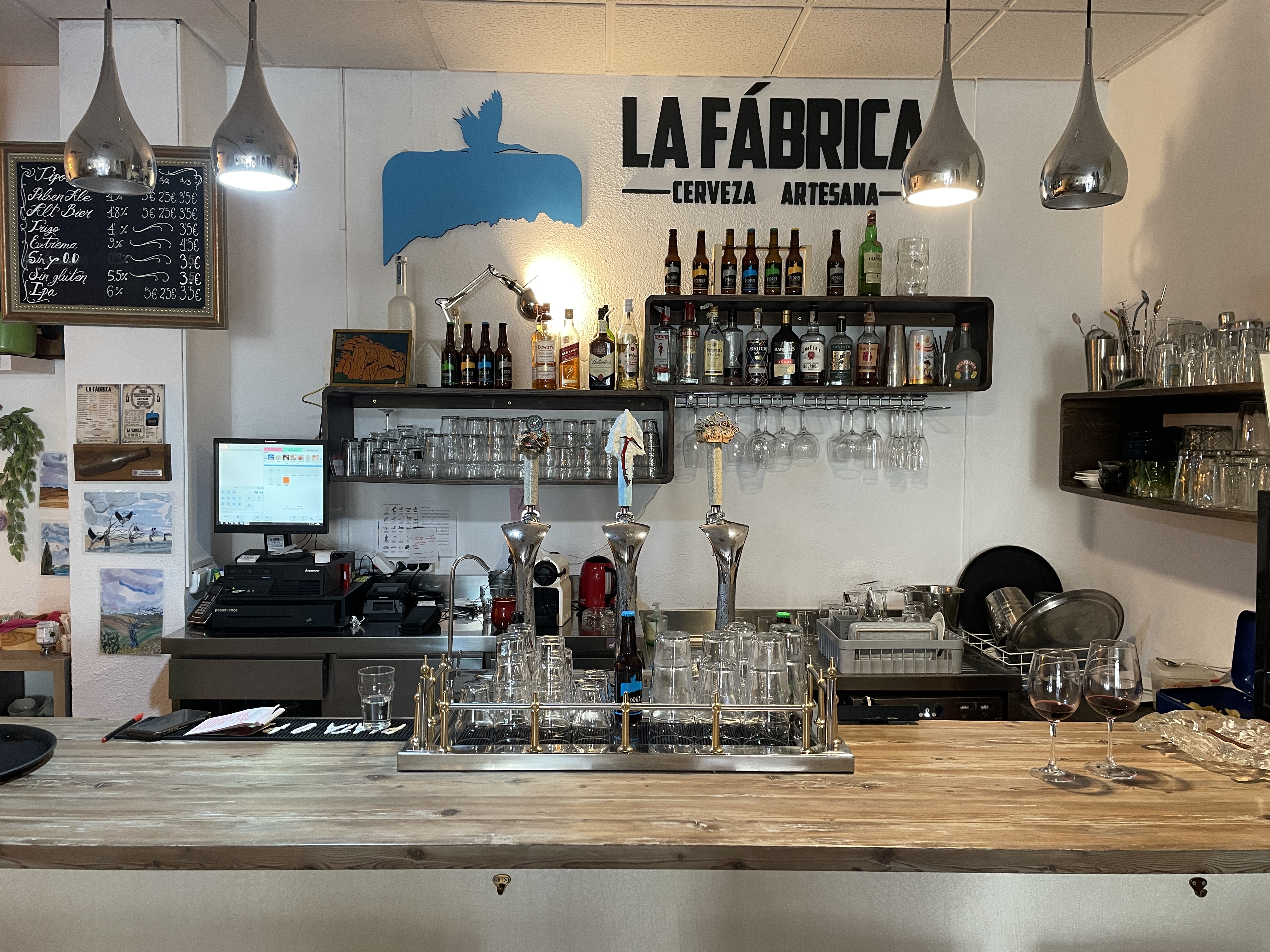
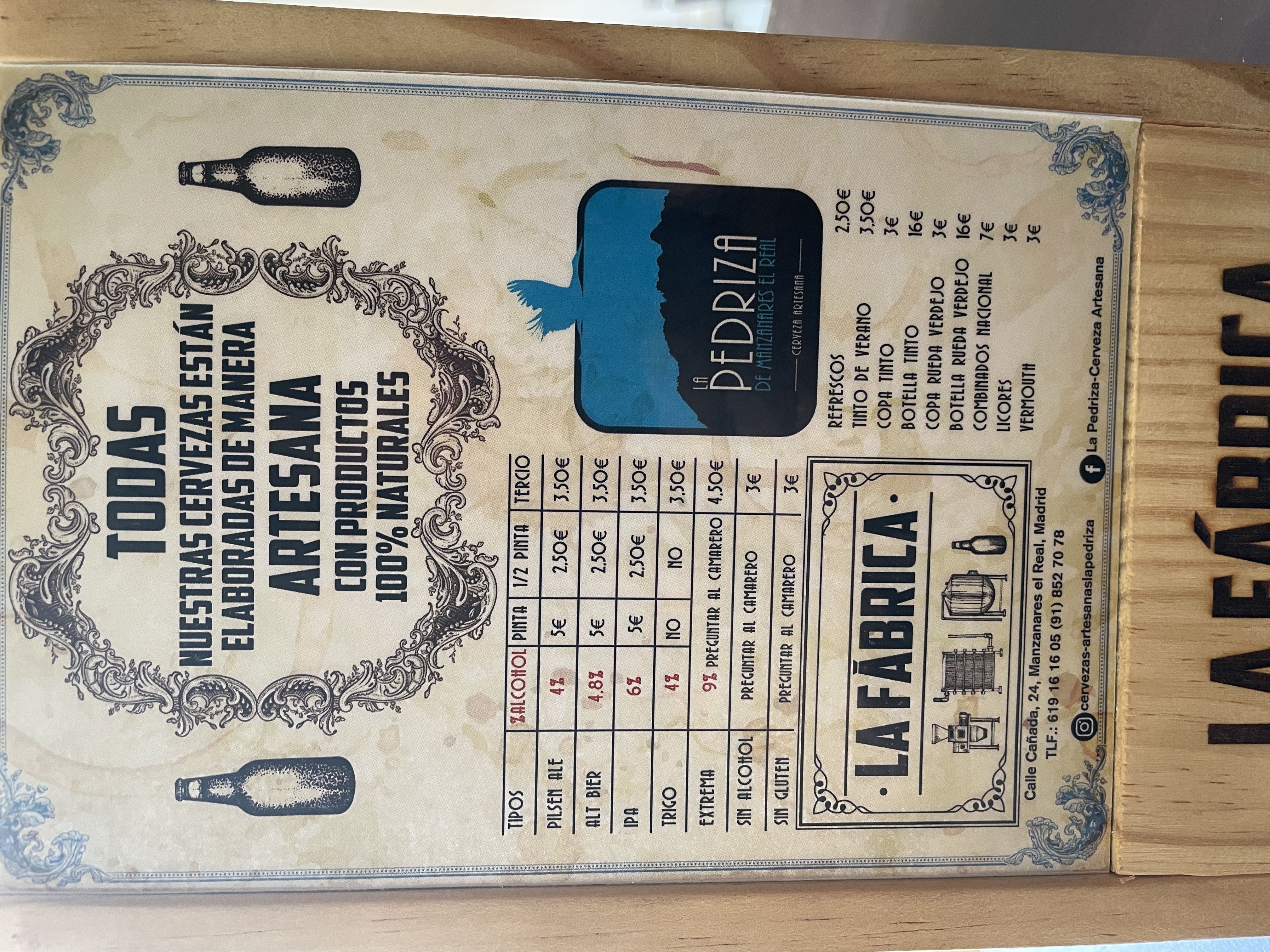
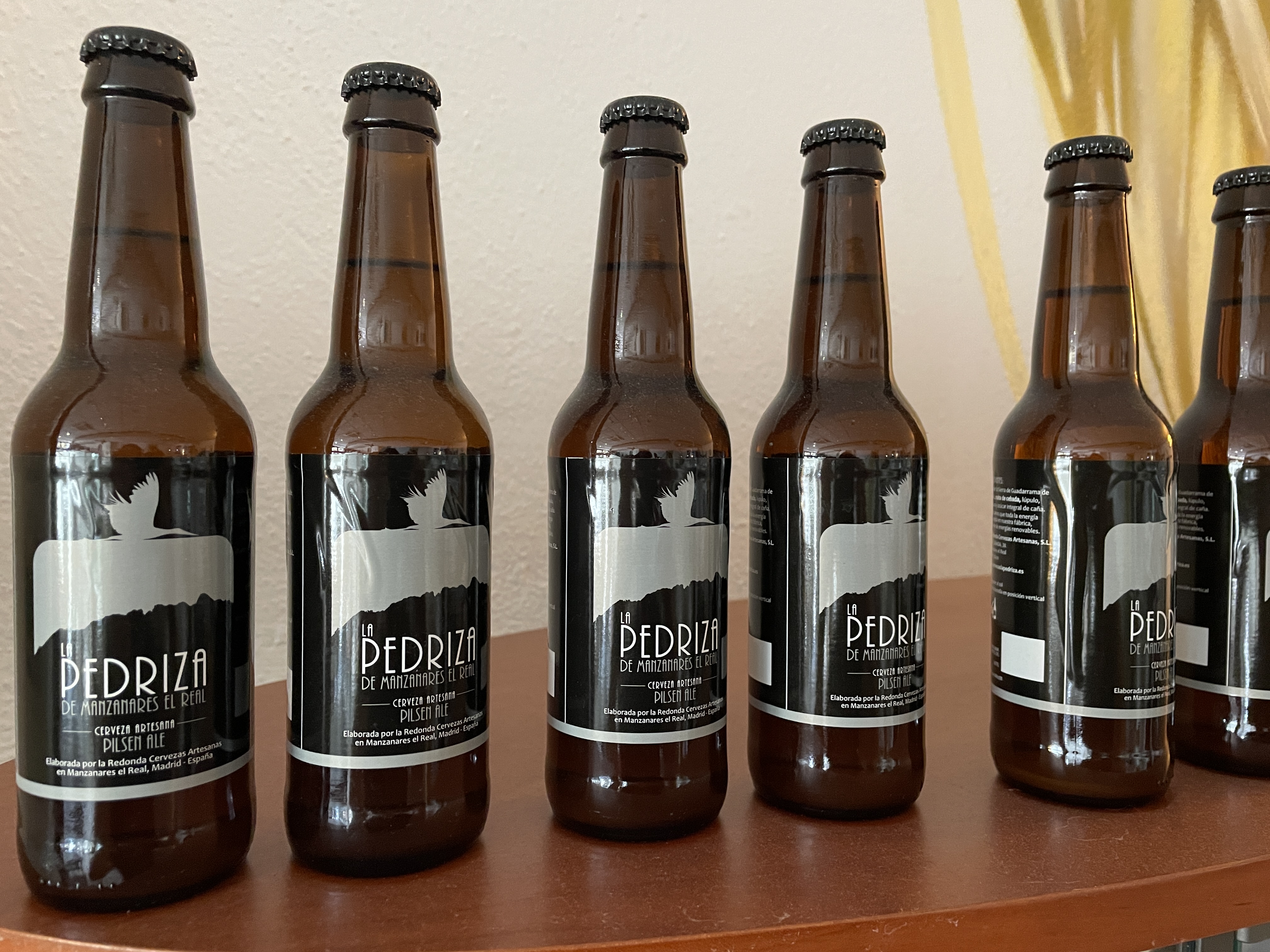
Holy smokes and cheese! Pilsen Ale! Yes, it is right there on the menu. I obviously had to ask the waitress – and my girlfriend started kicking me under the table, seeing what was about to come. The waitress didn’t know much – we chatted with her later on, and to her defense, it was just a temporary part-time gig. She was leaving for Melilla (the Spanish exclave on the North African coast) in a couple of days, as she had just graduated and found a real job there. Anyway, it was an ale, but let me start with the draft beers.
No ano, čtete dobře. Pilsen Ale. Fakt tam je! Samozřejmě jsem chtěl vyzpovídat servírku, jak že je to možné, a sbíral slovní zásobu na krátkou, ale důraznou lekci o tom, jak mě zatím všechny ležáky plzeňského typu ve Španělsku zklamaly. A T. mě obratem začala kopat pod stolem. Každopádně slečna byla fajn, i když o pivu moc nevěděla, byla tu jen na krátké brigádě, zrovna dostudovala a touhle dobou už je v Melille, španělské exklávě na severu Afriky, kde si našla práci. Ale zpátky k pivu. Ano, fakt je to plzeňský ale. Alespoň formálně. nicméně začněme točenými pivy.
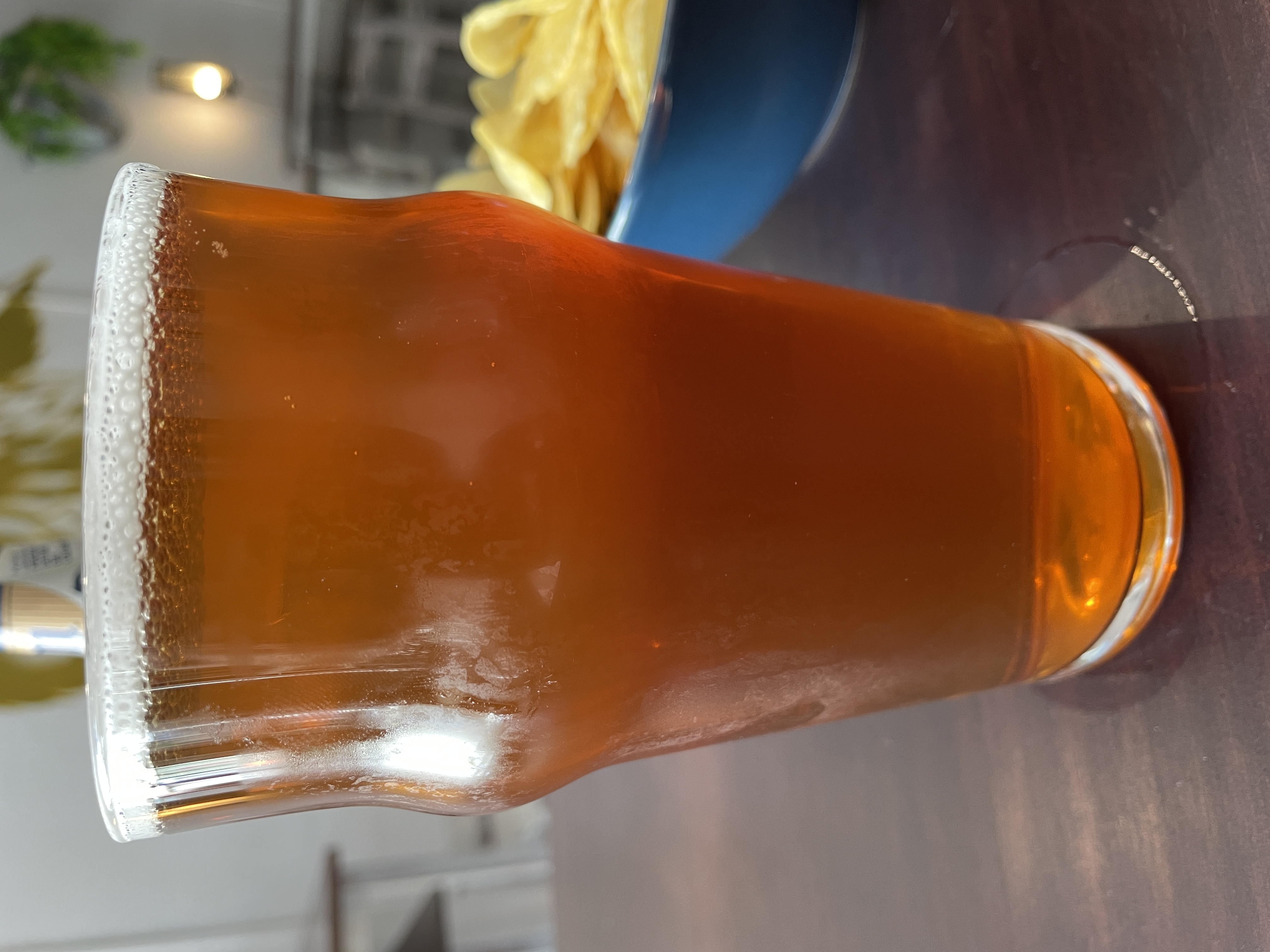
Altbier
I couldn’t resist the Altbier – an old German style from the Düsseldorf region (Altbier literally means Old Beer). It came with the expected palette – a soft malty scent with a hint of honey and, perhaps, bread; a smooth, slightly creamy mouthfeel with herbal hoppy spiciness and then mild earthy bitterness. The finish was rather bittersweet and very pleasant. Just the brew to finish a hike! No wonder we took several bottles of this beer to the party.
Altbier, doslova staré pivo, je německý styl Düsseldorfu a okolí. Moje jasná první volba. A dobrá. Lehké sladové aroma s medovými tóny, až trochou kvasového chleba. Pak jemné krémové tóny s bylinnou chmelovou hořkostí a na závěr mírná zemitá hořkost. Po doušku zůstala příjemná hořkosladká chuť. Super pivo na konec túry. Právě altbier jsme vzali s sebou na párty, na kterou jsme šli o den později.
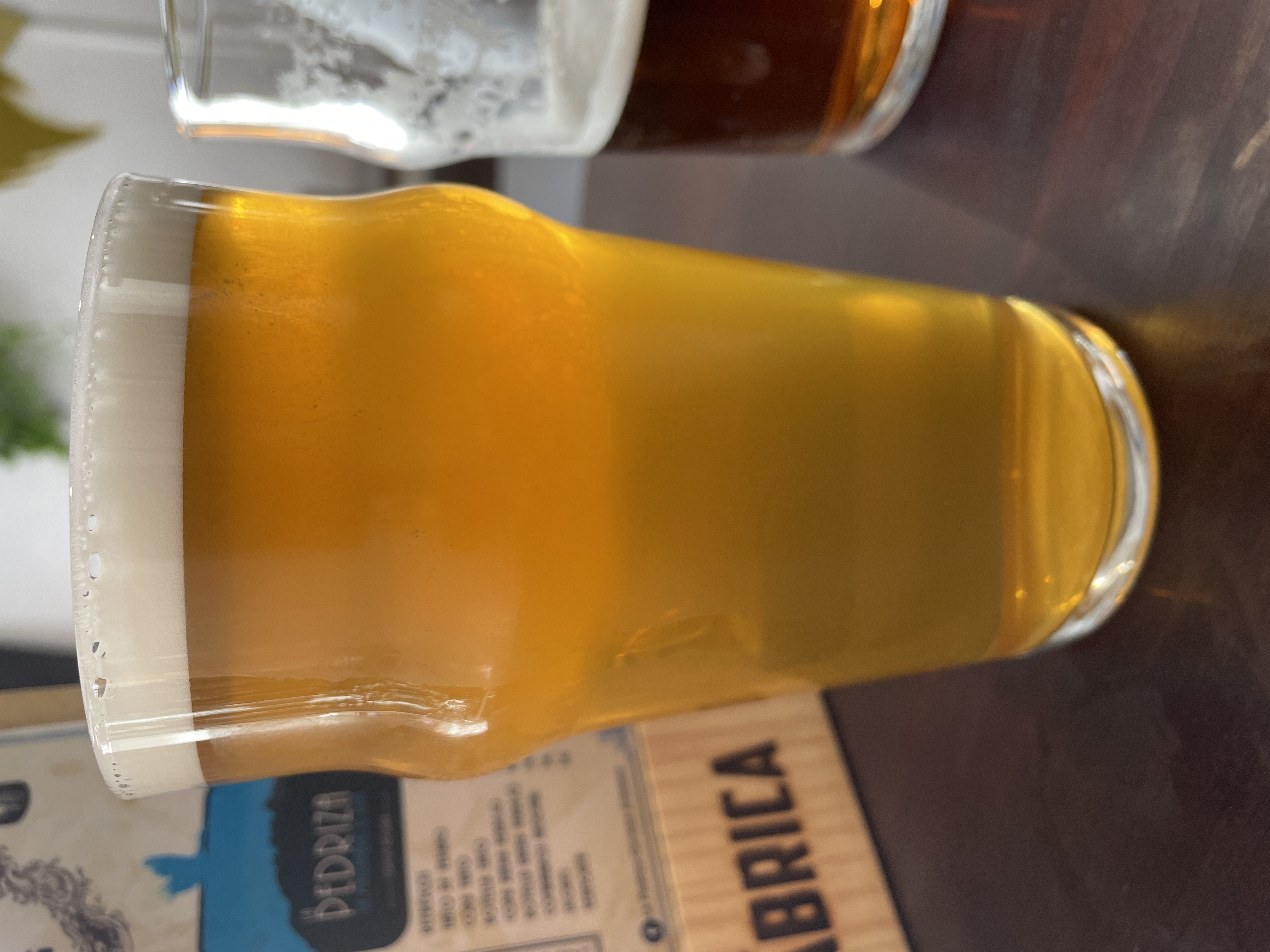
IPA
IPAs are generally too strong after such a demanding hike. I felt the call of duty and sampled the local one anyway. It came with a decent sweetish-acid scent, almost pineapple-like. Upon the first sip, grapefruit took over, but I could still detect a bit of those unusual pineapple tones. Overall, the body was sweeter than beers of this style. The typical bitterness kicked in at the aftertaste but was less distinct than I had expected. Quite an unusual brew that may not please hardcore IPA fans, but I found it quite playful and original.
IPA mi přijde na závěr podobného hiku trochu silná, kór když nemůžete jen tak odpadnou. Ale povinnost je povinnost. Tahle měla sladko-ovocnou vůni, až do ananasova. Při prvním doušku napřed zavládly grepy, ale ananas tam stále někde byl. Trochu nezvyklé, ale fajn. Celkově bylo tělo trochu sladší než bych čekal. A pak se ozvala typická hořkost, která kdysi zarazila Buciho. Tahle IPA až tak hořká není. Celkově jde o zajímavé a hravé pivo, tak trochu experiment. Pokud jste skalní fanoušek klasických IP, tahle vás asi nepotěší, ale pivo je to slušné.
Pilsner Ale
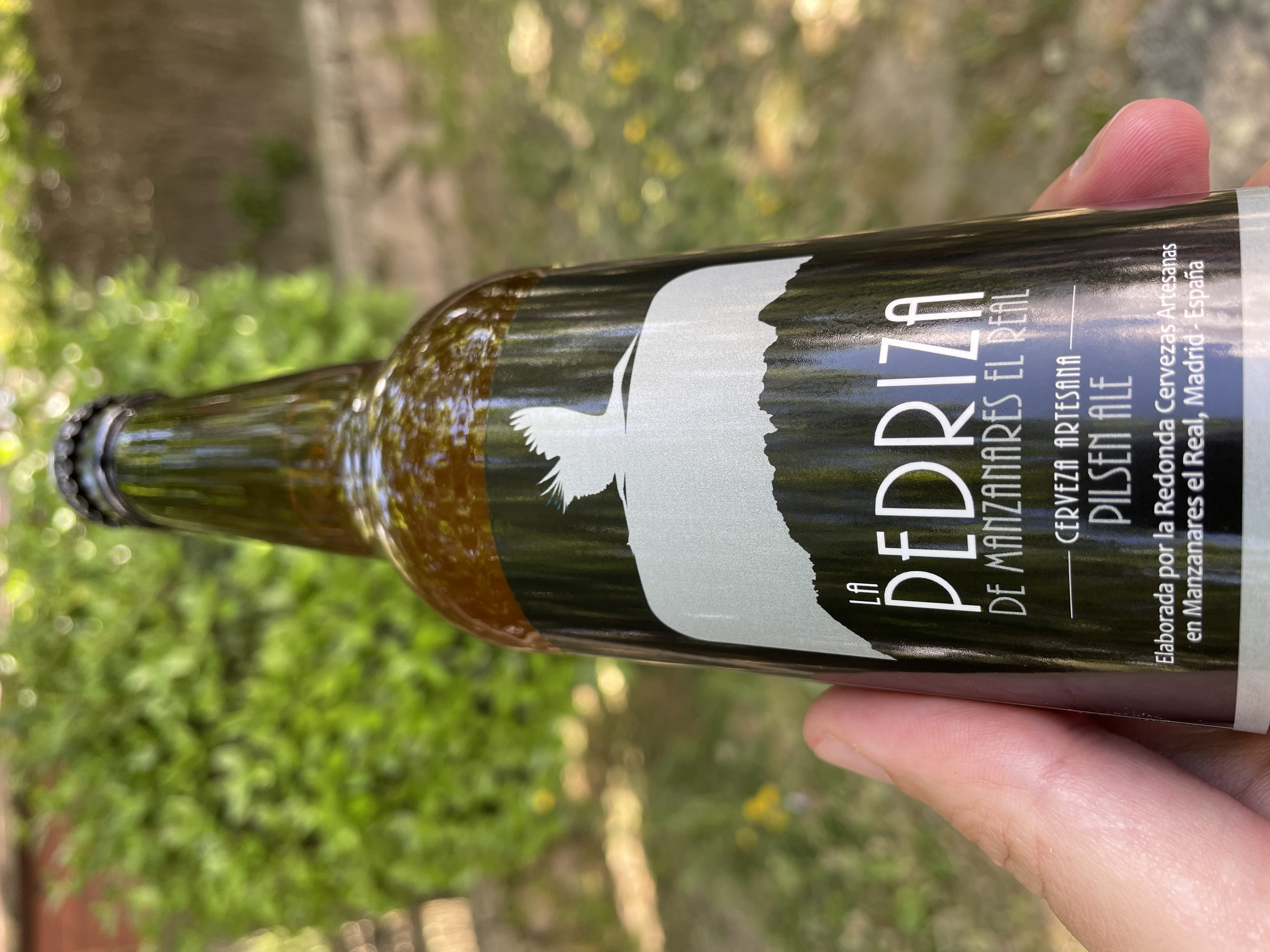
We did not have time to sample the last beer inside, as the bar was closing, so I took a bottle to sip while taking more photos of the storks and perhaps a shot or two of the village (see them at the end of this post). A huge disappointment, mainly due to the name. I could scent Czech malts, which perhaps justified the name, but I am sure the typical Saaz hops were missing. The beer was strong in acidity and had a soft yeasty aroma I generally appreciate. Overall, it was an uncommon ale, weak on the hoppy side, which could feel refreshing in the summer heat but would hardly persuade me to buy another bottle.
No, a teď ten plzeňský ale. Vzal jsem si lahev s sebou a vyrazil zkusit vyfotit pár čápů, nebo alespoň trochu té španělské vesnice. Ale mě zklamal, do značné míry kvůli jménu... Myslím, že v něm je český slad, což snad ospravedlňuje to jméno, ale chmel rozhodně není žatecký, jeho tóny by byly poznat i při svrchním kvašení. Pivo bylo spíše do kysela a mělo lehké kvasové aroma, které mám obvykle rád. Je to takový neobvyklý ale, slabě chmelený, který asi může osvěžit žíznivého pocestného v horkém španělském létě, ale mně úplně radost neudělal.

This is #BeerSaturday challenge post, and I would like to invite