
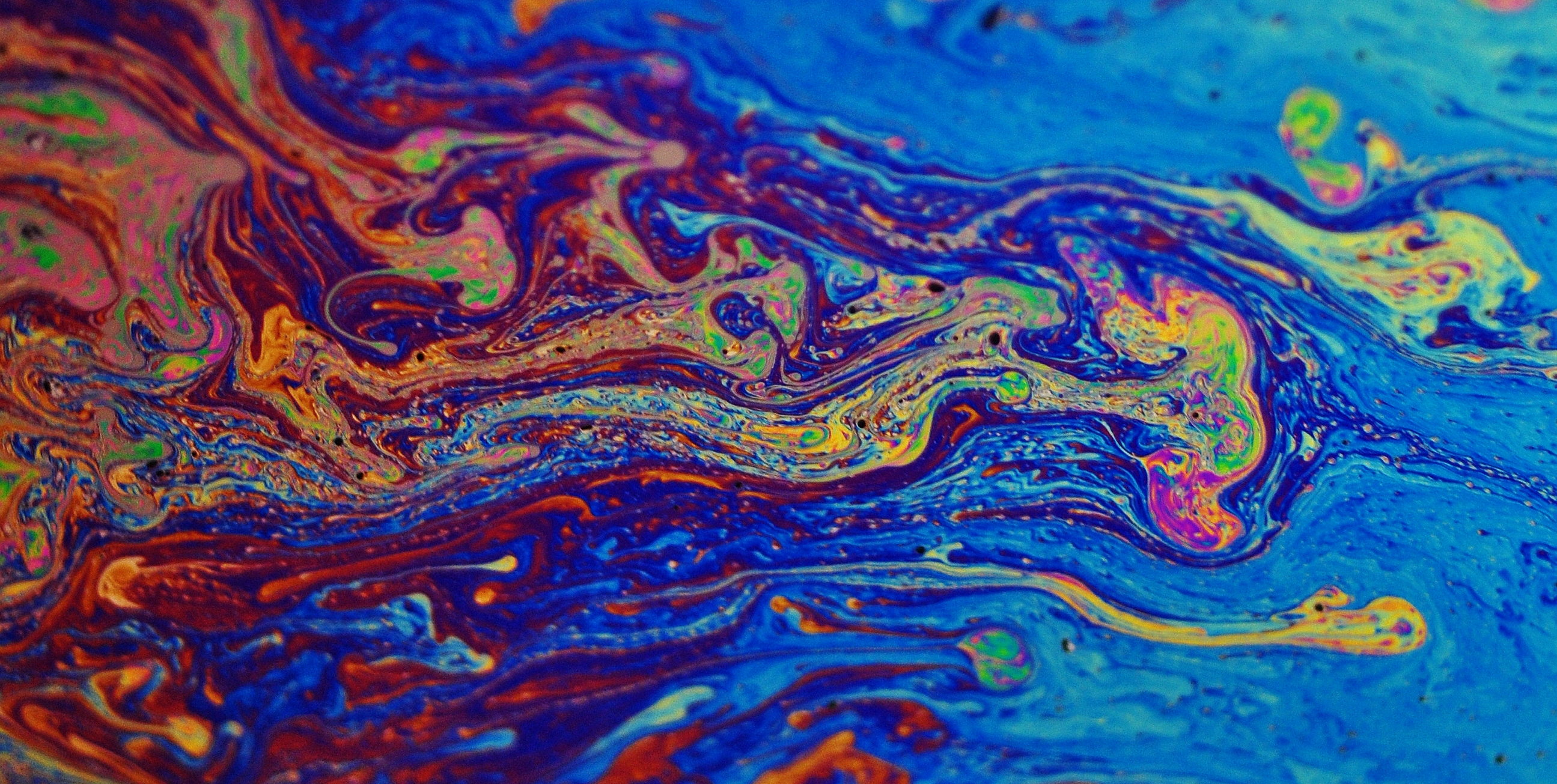
I wrote about light maybe too many times already, so I won't go into that much details about it. In astrophysics everything we do, and all the information we get (and it is a LOT) - we get it from light, slicing it, grading filtering, you name it - we are probably doing that to light.
The one thing you need to learn in the beginning is actually not one thing but lots of things about the properties of light. how it propagates, what is interference, diffraction all the geometry optics law and other cool things. Let's imagine we all know that, if you don't - there are lots of great short introductory videos on youtube.
What is light interference?
It is a phenomenon in which two light waves superpose to form a resultant wave of greater, lower, or the same amplitude. How can we notice it - simple if you have interference (by the textbook) on two slits in a wall, on the screen behind the wall you will have light stripes and stripes without the light.
What does it have to do with all these colours?!


Something similar happens here - you have probably heard that speed of light is constant = C and nothing can go faster than light. That is true - but only in special case - in Vacuum, in another medium it is still constant, but =
C/n, where n represents the index of refraction, and in some cases particles can go faster than the speed of light.
And when we have 3 mediums in contact like: Air; oil; water they all have 3 different index of refraction, which means light would be bent between every layer - and then throw in some equations and different thickness of the middle layer and you have a full rhapsody of colors!

Where can you see this phenomenon in everyday life? The answer is - basically everywhere!
The most common ones - that we have probably all seen it: Soap bubbles or petrol/gasoline on a wet road just after the rain.

co-founder of crowdmind project and crowdwitness operator