
The theme for today's daily celestial challenge is forces of nature.this challenge was initiated by 
VOLCANOES - WHAT IS IT?
Named after the Roman god of fire,valcum, they are one of the most powerful forces on earth, they can build or destroy.
The surface of the earth is cool and solid but underneath there is a thick layer of hot molten rock churning, this molten rock is called magma, sometimes a crackbin the surface of the earth known as crust allows magma to rise to the surface.
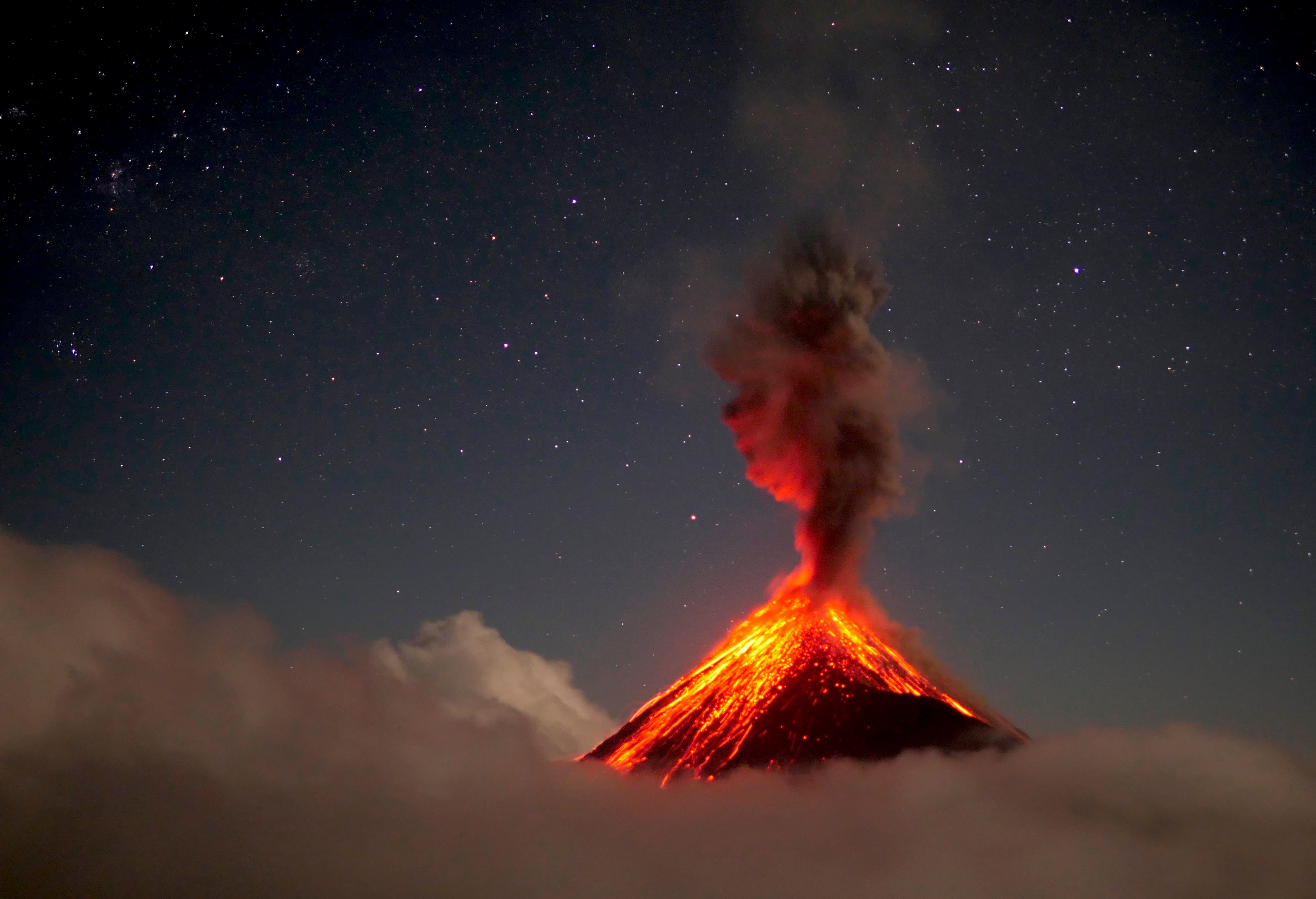
Source
There are two ways a volcano can form;
May form at the boundary of tectonic plates(sections of the earth crust that floats on the layer of magma beneath, known as the mantle).
When two plate meet(divergent plate boundary) they may either pull apart ,allowing magma to rise to the surface or they may pull together shoving some crust beneath to melted into magma and pushing other pieces above to form new mountains, the magma beneath the crust starts creating pressure and once the pressure has built up ,it can burst through the crust as an erupting volcano.The second way is due to hotspots, when a volcano forms away from the edge of a tectonic plate, it is either the mantle beneath is unusually hot or because the crust is thin, allowing the magma to melt its way through to the surface, the magma that reaches the surface is called lava, they result in volcanoes.
Volcanoes are typically mountains, they form some type of structure
Cinder cone
Most common volcanoes, fairly small and steep,made up of debris from an eruption, ash, loose rocks unlike other volcanoes cinder cones usually have a single opening which magma escapes.
CinderconeShield volcano
Shallow sloping slides unlike cinder cones can be very large because they are short and wide. They are the largest type of volcanoes on earth , usually less dangerous than other types that's because they are formed by running lava that flows a long way.
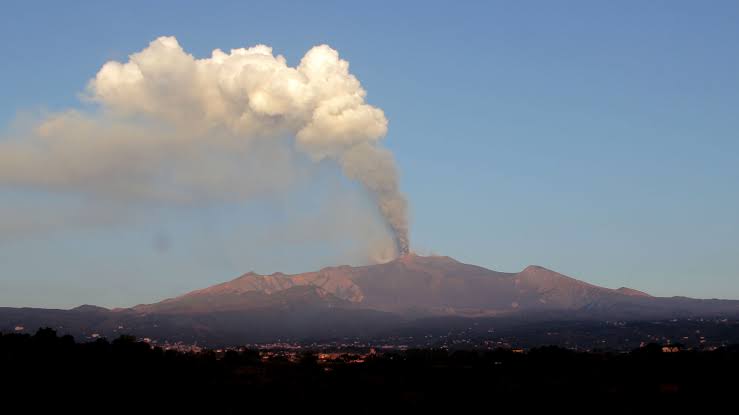
Shield volcano
Composite volcanoes
Also known as stratovolcano because they are made of alternating volcanoes built up by different eruptions, can grow to be very large and very dangerous. Some famous volcanoes like mount Fuji in Japan are composite volcanoes.
Mount Fuji
Other types of volcanoes are;
*Lava Domes
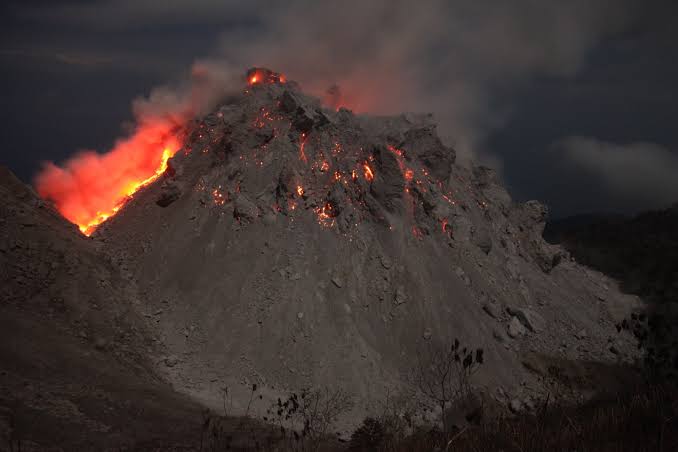
Lava dome
- Lava Tubes
Lava tube
When larva from volcanic eruptions cools it forms rocks called igneous from lava and magma, different kinds of rocks are produced depending on the different type of lava, eruption, cooling etc. Pumice is an example of volcanic rock, it is filled wit air bubbles, it is so light it can float on water.
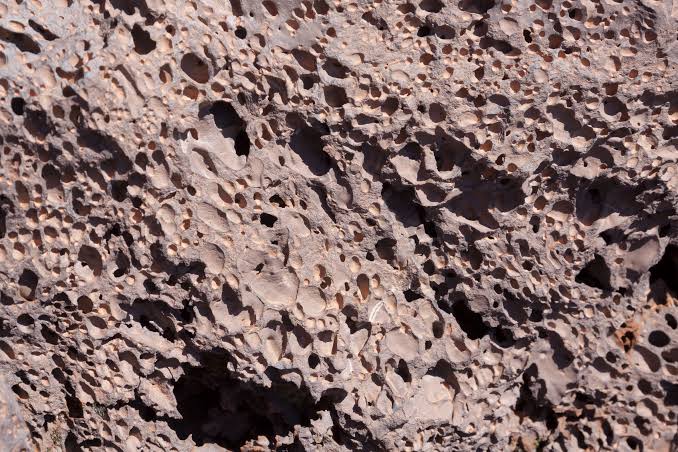
Pumice
Another is obsidian, its hard and shinny like glass, can be made into blades and tools with a very sharp edge.
Obsidian
Volcanoes that may still erupt are called active, those that will probably not erupt soon are called dormant(sleeping).
Volcanoes most time take people by surprise despite efforts by scientists to predict some impending ones.