
Hello, everyone!
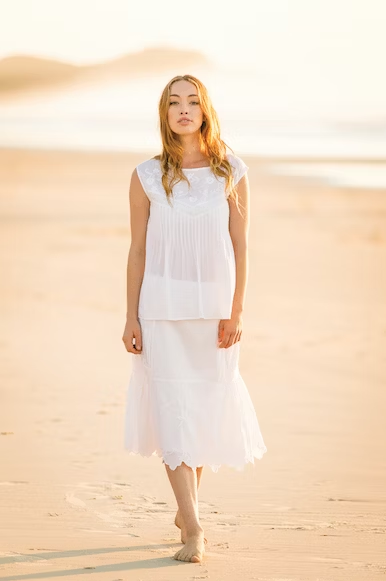
Lately, I've been intrigued by the fact that my neighbor has been wearing the same outfit every day. Even though I noticed this quite some time ago, I never really dig into questioning why she consistently wears the same dress, regardless of whether it's summer or winter. I considered the possibility that she might be experiencing certain physical-related issues.
I became concerned only when both of us had contact with sick cats in the neighbourhood. Given that we also had cats at home, there was a risk of them contracting the virus. To mitigate this risk, I suggested that we remove and wash all the clothes we had worn that day after our visit to the veterinary clinic. While I was aware of her fondness for animals and her generally cautious nature, particularly when it involves animals, she ultimately chose not to follow through with washing the clothes. This decision puzzled me, especially considering her rationale: she mentioned that she would still be interacting with the sick animal during the veterinary visit. What struck me even more was the fact that she was quite attached to the dress in question, a garment she wears almost daily, if not every day.
So, what could that be?
Hoarding Disorder: This particular condition revolves around a persistent struggle to let go of possessions, even if their practical worth is limited. This often results in a surplus of items accumulating over time, potentially leading to a cluttered living environment. The attachment to the dress and the hesitation to wash it despite potential risks could indicate a pattern akin to hoarding tendencies, particularly when these behaviors are tied to items holding sentimental significance.
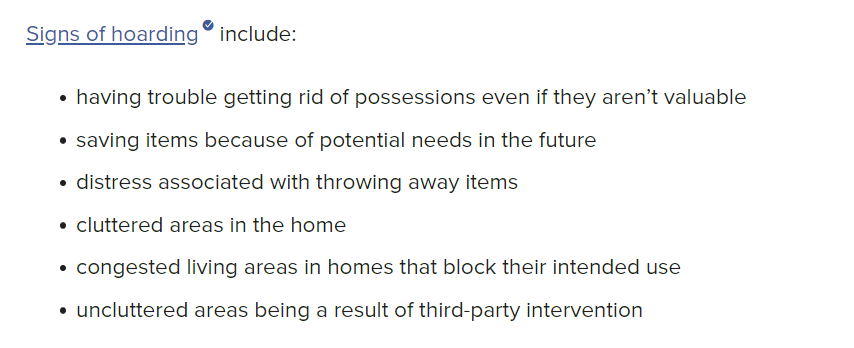
Attachment Issues: When dealing with attachment issues, individuals face difficulties in forming and maintaining healthy emotional connections, either with people or objects. In this specific case, the deep emotional bond with the dress and the reluctance to part ways with it could suggest challenges linked to forming attachments.
What else?
Depression:
Feelings of strong attachment to specific items or difficulties in forming healthy emotional bonds might align with aspects of depressive disorders. As reported by the American Psychiatric Association, approximately 2.6% of individuals fulfill the criteria for hoarding disorder. This prevalence tends to be elevated among individuals aged 60 and above, as well as those who contend with additional mental health conditions, notably anxiety and depression.
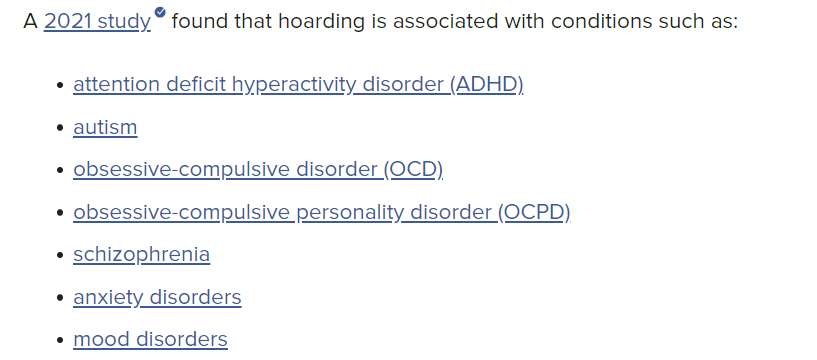
You can find the 2021 study here
Some of you might find intriguing to think that something as seemingly external as what we wear could have an impact on our internal well-being. But it definitely makes sense. When we put on a particular outfit, it's not just about covering our bodies. It's about expressing ourselves, boosting our confidence, and often even reflecting our mood.
There's no denying that slipping into a well-fitting outfit that makes us feel stylish and put-together can work wonders for our self-esteem. It's like armor against the challenges of the day, giving us that extra dose of courage to face whatever comes our way. But is there more to it than just aesthetics?
Research suggests that the clothes we wear might indeed have a deeper impact on our psyche. The phenomenon known as "enclothed cognition" proposes that our clothing choices can influence our cognitive processes, affecting our thoughts, feelings, and behavior. In simpler terms, what we wear could potentially shape our mindset.
We can also consider the concept of "power dressing". Wearing an outfit that makes us feel empowered and authoritative might actually lead us to embody those qualities. Similarly, donning bright and vibrant colors could enhance our mood and evoke positivity. It's almost like our wardrobe is a toolkit for navigating through life's emotional landscape.
But let's not forget the flip side. The pressure to keep up with ever-changing fashion trends can sometimes lead to feelings of inadequacy and stress. Comparison with carefully curated social media posts can take a toll on our self-esteem. This begs the question: does fashion sometimes contribute to mental health challenges?
While there's no one-size-fits-all answer, it's evident that the fashion-mental health relationship is complex and multi-dimensional. It's essential to strike a balance between expressing ourselves through style and prioritizing our mental well-being. Being mindful of how certain clothing choices make us feel and embracing authenticity can be a step towards a healthier connection with fashion.
Fashion is not just about looking good; it's about feeling good too. We've all had those days when we slip into our favorite go-to outfit - the one that makes us feel comfortable, confident, and ready to take on the world. Wearing that same outfit repeatedly can feel good for some people. There's a psychological phenomenon at play here known as "decision fatigue".
Take, for instance, prominent figures in the world of politics and business like former U.S. President Barack Obama, Steve Jobs, and Mark Zuckerberg. They have adopted the practice of simplifying their daily attire to just one or two outfits, a strategic move aimed at minimizing the multitude of decisions they face throughout the day.Our minds are bombarded with countless decisions every day, and every choice we make - from what to eat for breakfast to which tasks to prioritise at work - can gradually wear down our mental energy. By simplifying one decision - what to wear - we may inadvertently free up mental space for more important matters.
In some cultures, wearing the same outfit regularly is a norm, reflecting values like simplicity and humility. In these cases, the mental connection might be rooted in the cultural context and the sense of belonging it provides.
In the end, the connection between wearing the same outfit and mental health is a delicate dance between comfort, efficiency, and personal expression. It's about finding what works best for each of us individually, acknowledging the role of our clothing choices in our daily lives, and being mindful of how it affects our mental state.
#WardrobeAndWellness #SelfExpressionThroughStyle #DecisionFatigue #MentalHealthMatters #ClothingAndIdentity #BalanceInFashion #FashionAndMentalHealth #StyleAndWellbeing #EnclothedCognition #MindfulFashion #WardrobeWellness #SelfExpression