I find the topic proposed by 
First, green signifies hope. That's not a metaphor; it's a psychological and cultural fact. And Christmas is, above all, a time of hope. It's that time of year when, almost collectively, we pause and wish for good things. For ourselves, for our families, for the world. We take stock, and despite how difficult the year may have been, this strength arises that makes us think that what's to come can be better. We make resolutions. It's a time when, for a few days, we feel that anything is possible. That tangible feeling is hope in its purest form, and its color is green.
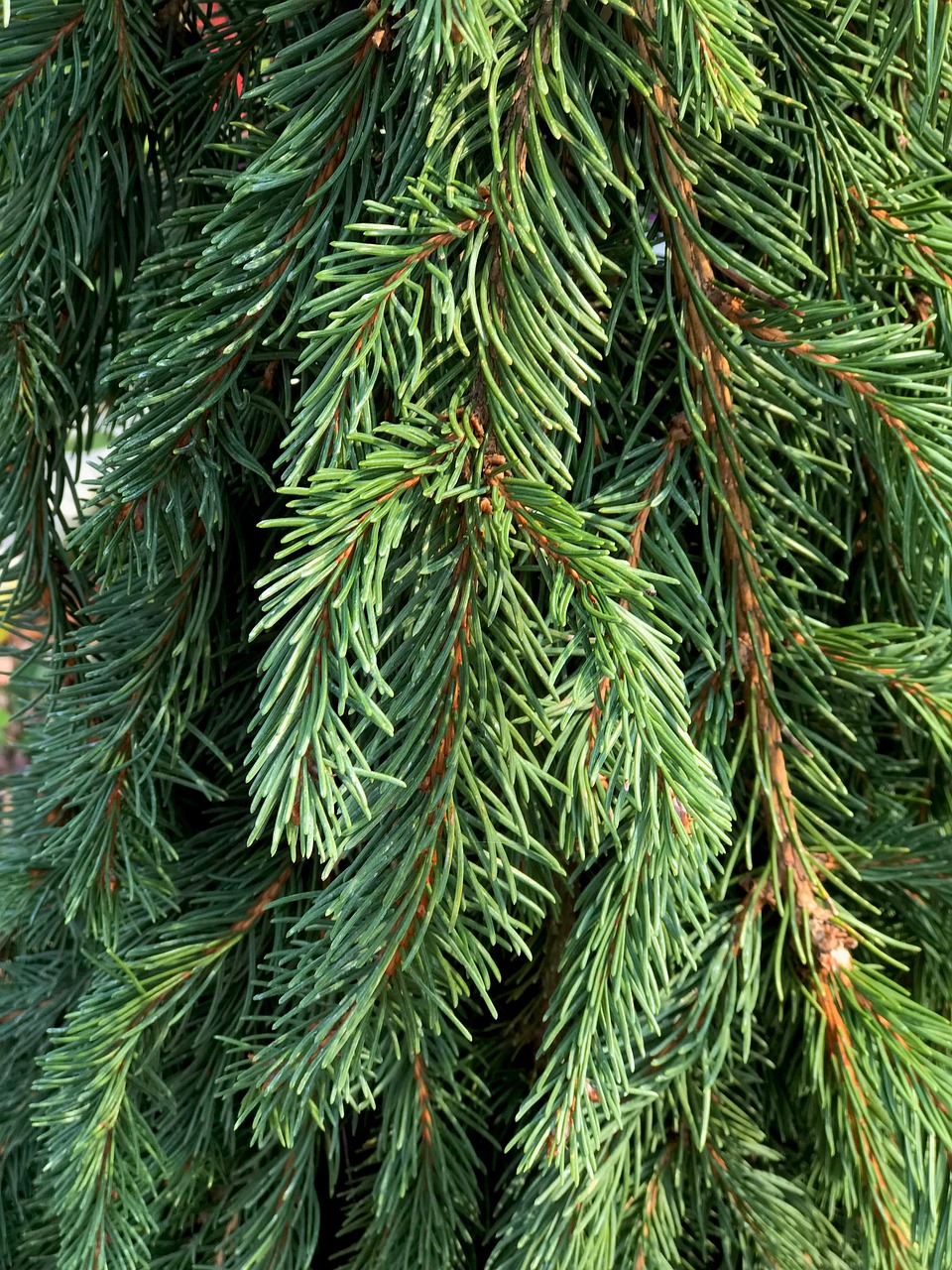
The most obvious and universal symbol is the Christmas tree, and it's green. This isn't just a decorative detail. It's the centerpiece of most homes during the season. The tree, whether a pine or a fir, represents very concrete things: life, because it remains green when everything around it seems dead in winter; health, because of its vigor; and longevity, because it's evergreen. It's a physical reminder of the persistence of life. We decorate it, but its essence, its message, lies in that green color that defines it. Without green, there is no tree. Without the tree, something fundamental to the Christmas spirit is missing.
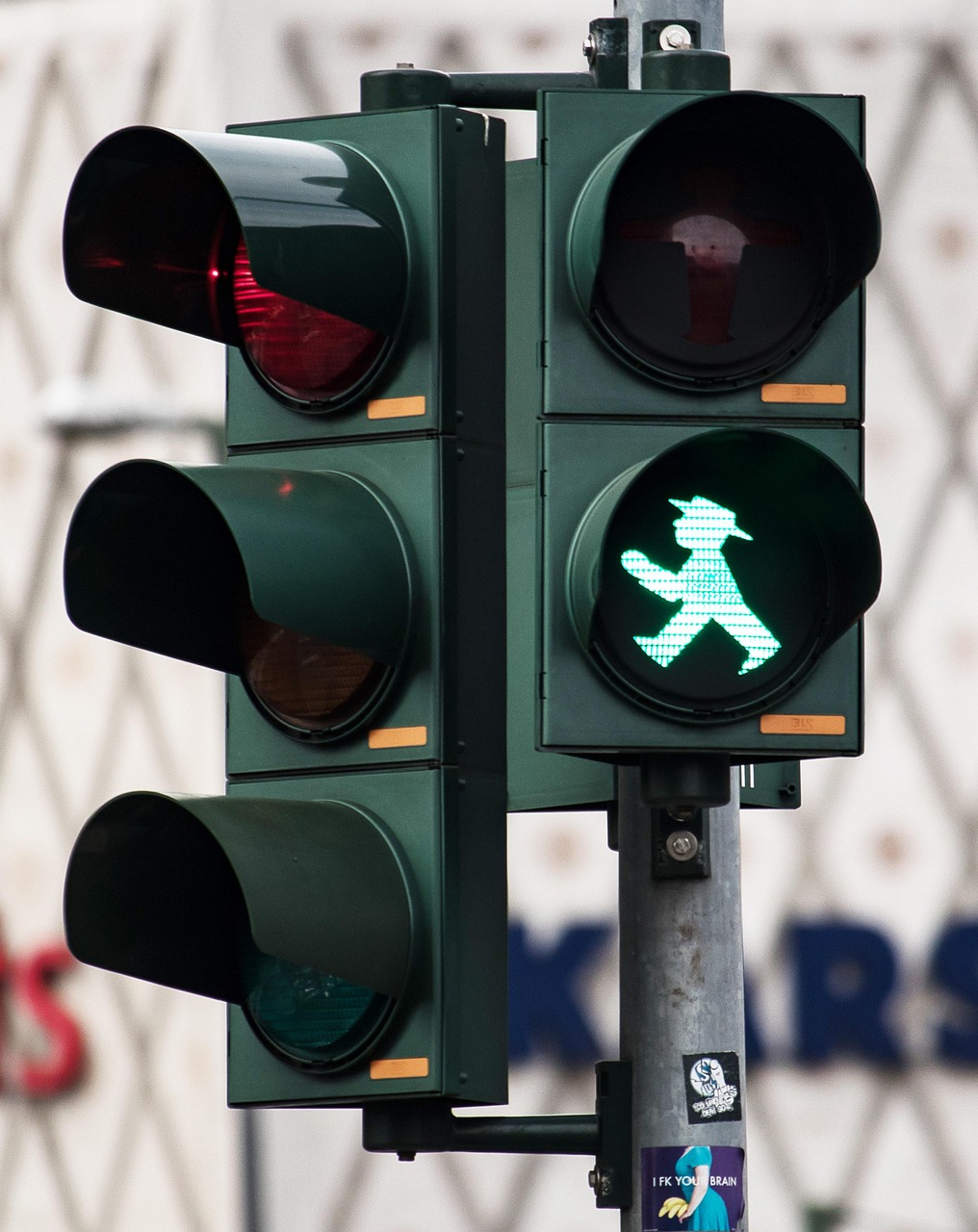
There's another practical point that has always caught my attention. The green light on a traffic signal is the signal to continue. To move forward. And that's exactly what Christmas represents in our lives. It's not just a finish line, a festive end to the year. It's, above all, a beacon of light announcing that a new cycle is about to begin. It gives us the go-ahead to move forward. Life goes on. We gather to say goodbye, but also to plan for the future. It's a green pause that allows us to gather momentum.
The color green represents nature, renewal, and peace of mind. I think of that when I see a forest, a garden. These are precisely the states we most desire at this time of year, and they form part of our good wishes. We long to renew our family ties, find tranquility after the stress of the year, and reconnect with something essential and natural that the daily grind makes us forget. Christmas carols speak of peace, cards of love and joy. That peace and inner calm we seek have the color of tranquil foliage, not the intense red of shopping or rushing around.
That's why, when I think of Christmas, I see green first. I see the active hope of a new beginning, the enduring life of the tree, the sign to move forward, and the deep desire for peace and renewal. All other colors are decorations against that backdrop. Red is emotion, gold is celebration, but green is the foundation, the profound meaning. Christmas, in its simplest and truest essence, is green.

Me parece muy interesante el tema que nos propone
Primero, el verde significa la esperanza. Eso no es una metáfora, es un hecho psicológico y cultural. Y la navidad es, ante todo, una época de esperanza. Es el momento del año en que, de forma casi colectiva, paramos y deseamos cosas buenas. Para nosotros, para nuestra familia, para el mundo. Hacemos balances, y a pesar de lo difícil que pudo ser el año, surge esta fuerza que nos hace pensar que lo que viene puede ser mejor. Creamos propósitos. Es una época donde, por unos días, sentimos que todo es posible. Ese sentimiento tangible es la esperanza en estado puro, y su color es el verde.
El símbolo más evidente y universal es el árbol de navidad, y es verde. Este no es un detalle decorativo. Es el centro de la mayoría de los hogares durante la temporada. El árbol, un pino o abeto, representa cosas muy concretas: la vida, porque permanece verde cuando todo a su alrededor parece muerto en invierno; la salud, por su vigor; y la longevidad, por ser perenne. Es un recordatorio físico de la persistencia de la vida. Lo decoramos, pero su esencia, su mensaje, está en ese color verde que lo define. Sin el verde, no hay árbol. Sin el árbol, falta algo fundamental del espíritu navideño.
Hay otro punto práctico que siempre me ha llamado la atención. El verde, en el semáforo, es la señal de continuar. De avanzar. Y eso es exactamente lo que representa la navidad en el calendario de nuestras vidas. No es solo una línea de meta, un final festivo del año. Es, sobre todo, una señal luminosa que nos anuncia que un nuevo ciclo está por comenzar. Nos da el "via" para seguir. La vida continúa. Nos reunimos para despedir, pero también para proyectar. Es una pausa verde que nos permite tomar impulso.
El color verde representa la naturaleza, la renovación y la tranquilidad mental. Pienso en eso cuando veo un bosque, un jardín. Esos son precisamente los estados que más deseamos en esta época y que forman parte de nuestros buenos deseos. Deseamos renovar nuestros lazos familiares, encontrar tranquilidad después del estrés del año, y reconectar con algo esencial y natural que el ritmo diario nos hace olvidar. Los villancicos hablan de paz, las tarjetas de amor y alegría. Esa paz y esa calma interna que buscamos tienen el color del follaje tranquilo, no del rojo intenso de las compras o las prisas.
Por eso, cuando miro la navidad, veo el verde primero. Veo la esperanza activa de un nuevo comienzo, la vida persistente del árbol, la señal de seguir adelante y el profundo deseo de paz y renovación. Todos los demás colores son adornos sobre ese fondo. El rojo es emoción, el oro es celebración, pero el verde es la base, el significado profundo. La navidad es, en su esencia más sencilla y verdadera, de color verde.